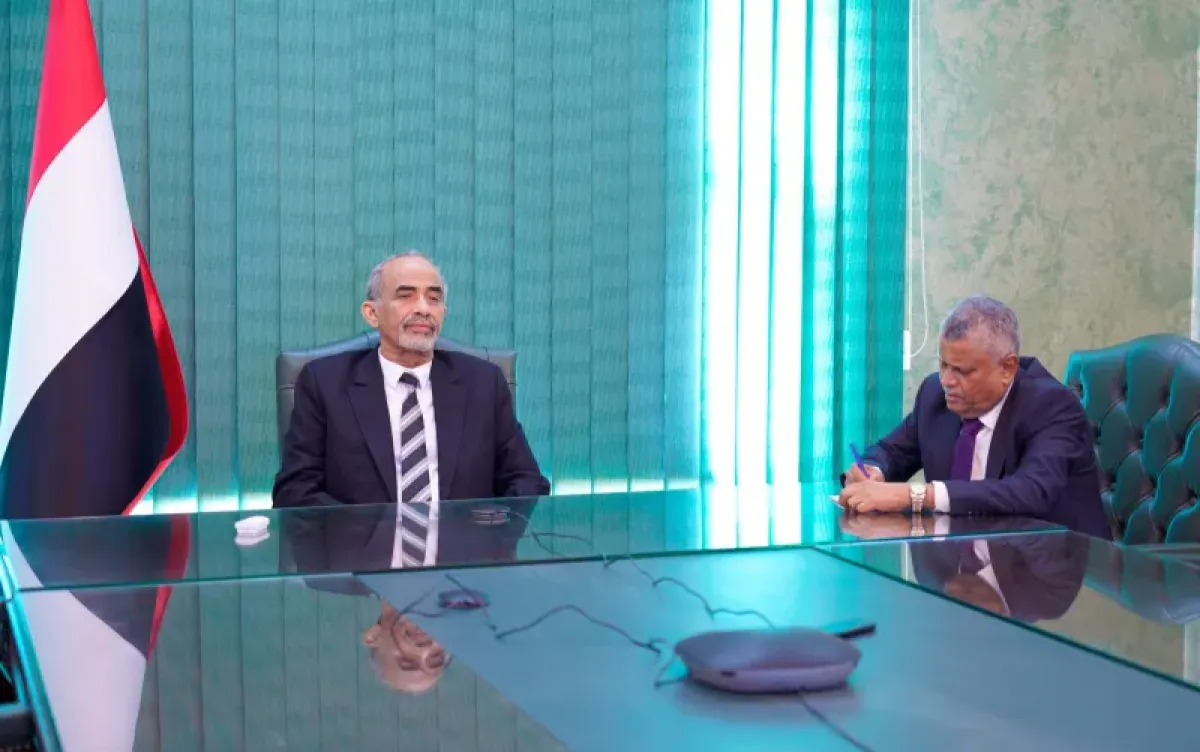
Member of the Presidential Leadership Council, Lieutenant General Mahmoud Al-Subaihi, has declared that Yemen is navigating a critical and historic juncture. He warned of the continued suffering inflicted upon citizens in Houthi-controlled areas due to the militia's oppressive policies, starvation tactics, and the dismantling of state institutions. Al-Subaihi also highlighted the Houthis' attempts to export their internal crises and pursue an Iranian agenda that threatens Yemen and the region's security.
In an extensive statement, Al-Subaihi emphasized that the Houthi coup has led to the collapse of essential services and exacerbated the humanitarian and living conditions for millions of Yemenis, with citizens in Houthi-controlled territories bearing the brunt of this crisis. He asserted that the militia persists with its repressive policies targeting all segments of Yemeni society.
He further explained that the Houthis' actions extend beyond economic and service deterioration to include the erosion of national identity. This is achieved through suppressing dissent, arbitrary arrests of journalists and activists, and the prolonged detention of UN personnel, international organization staff, civil society representatives, and diplomatic missions for over two years, constituting a flagrant violation of international and humanitarian laws.
Al-Subaihi identified the most dangerous practice of the militia as the radicalization of the education and media sectors, imposing a foreign, sectarian, and lineage-based ideology on Yemeni society. This, he stated, cultivates a culture of discrimination and guardianship, and usurps national decision-making in favor of regional agendas that only serve to promote chaos and instability.
Addressing Yemeni tribes and families in Houthi-controlled areas, Al-Subaihi urged them not to allow their children to be drawn into what he described as "absurd wars" serving a lineage-based project. He stressed that the militia exploits youth as cannon fodder for battles that do not benefit Yemenis but rather execute an external agenda linked to the Iranian regime.
He recalled that the republican system was established to end eras of tyranny and class discrimination, and to safeguard the dignity and freedoms of Yemenis. He called upon tribal members to align with the project of the state, the republic, and equal citizenship, presenting it as the sole path to reclaiming rights and ending the imposed guardianship by force.
Conversely, Al-Subaihi appealed to the citizens of liberated governorates to preserve national gains, strengthen the rule of law, and consolidate the values of freedom and pluralism, deeming them the fundamental pillars for confronting the Houthi project.
He reiterated that the confrontation with the Houthis is not a transient political disagreement but an existential battle between the project of the state and the republic on one side, and a sectarian project aiming to revert Yemen to the ages of tyranny and guardianship on the other. He underscored the importance of unifying the national front, reinforcing civil peace, and thwarting any attempts to fracture the internal front.
Al-Subaihi reaffirmed the government's commitment to a political path that leads to the restoration of state institutions and the end of the coup, based on internationally recognized references. These include the GCC initiative and its implementation mechanism, the outcomes of the National Dialogue Conference, and Security Council resolutions, foremost among them Resolution 2216.
He indicated that achieving sustainable peace necessitates prioritizing national interest, renouncing sectarianism and hate speech, and rallying around the republican system as the guarantor for building a state founded on freedom, justice, and equality.
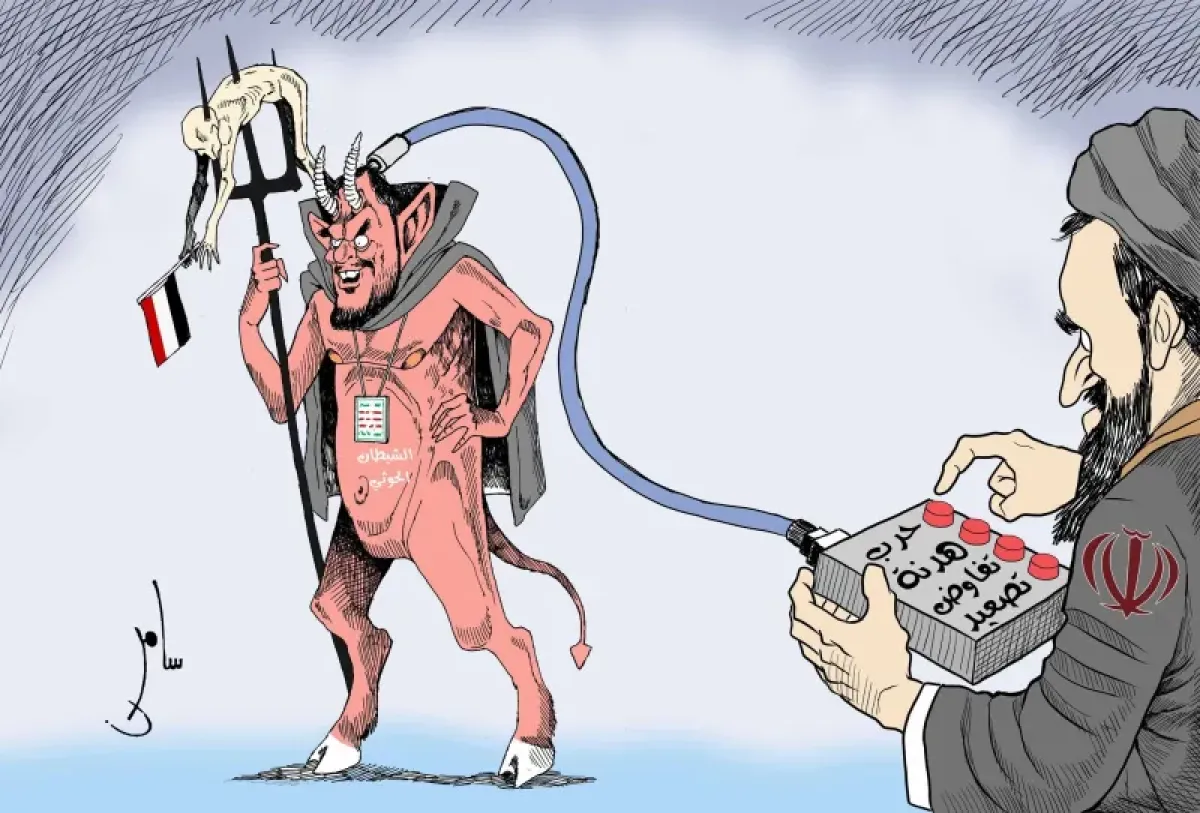
Al-Subaihi accused the Houthi militia of attempting to export its internal crises and escape administrative and economic failures by targeting Saudi Arabia and blaming it for the deteriorating situation. He considered these actions as a cover for implementing Iran's expansionist project in the region.
He explained that the Houthis seek to drag the region into conflicts that serve the "Velayat-e Faqih" project by consolidating sectarian dominance and undermining the Yemeni state. He asserted that this project not only targets Yemen but also poses a threat to regional security and stability.