California patients battling serious illnesses are encountering significant obstacles in receiving continued telemedicine follow-up care from out-of-state specialists who have treated them, a situation highlighted by the case of Robin Clough, a resident fighting an aggressive form of cancer. Legislation aimed at easing these interstate care restrictions recently failed in the California legislature.
Clough, who has been in remission for anaplastic thyroid cancer for four years, is unable to continue telehealth consultations with her physician in Texas, despite that doctor's crucial role in her recovery. This prohibition is not unique to California, which is among approximately 30 states with stringent regulations on interstate telemedicine. Dr. Helen Hughes of Johns Hopkins, a proponent of reform, notes that while telemedicine expanded during the COVID-19 pandemic, a return to state-specific licensing restrictions is now limiting patient access.
The implications extend beyond cancer patients; students away at college and individuals participating in clinical trials also face challenges. As medical technology advances and specialized care becomes more geographically dispersed, these interstate restrictions are expected to become more prevalent. Dr. Shannon MacDonald, a radiation oncologist and professor at Harvard, stated that hospital administrators are curtailing arrangements where out-of-state physicians provide consultations, citing risks of license revocation and potential legal repercussions.
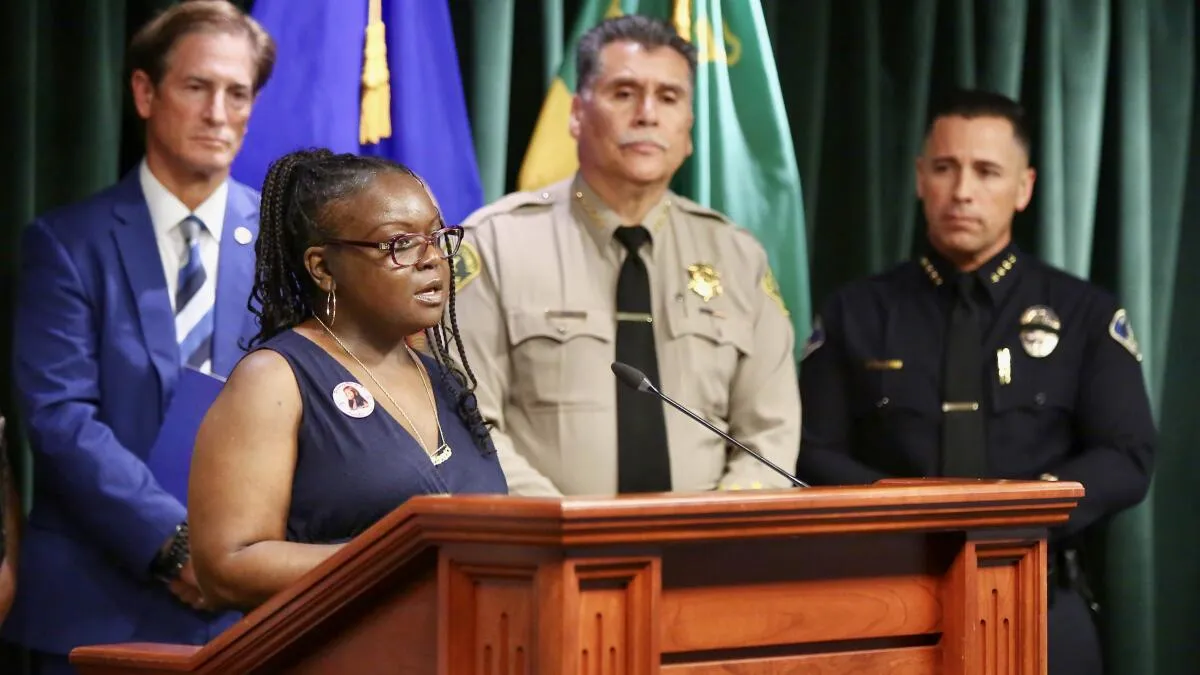
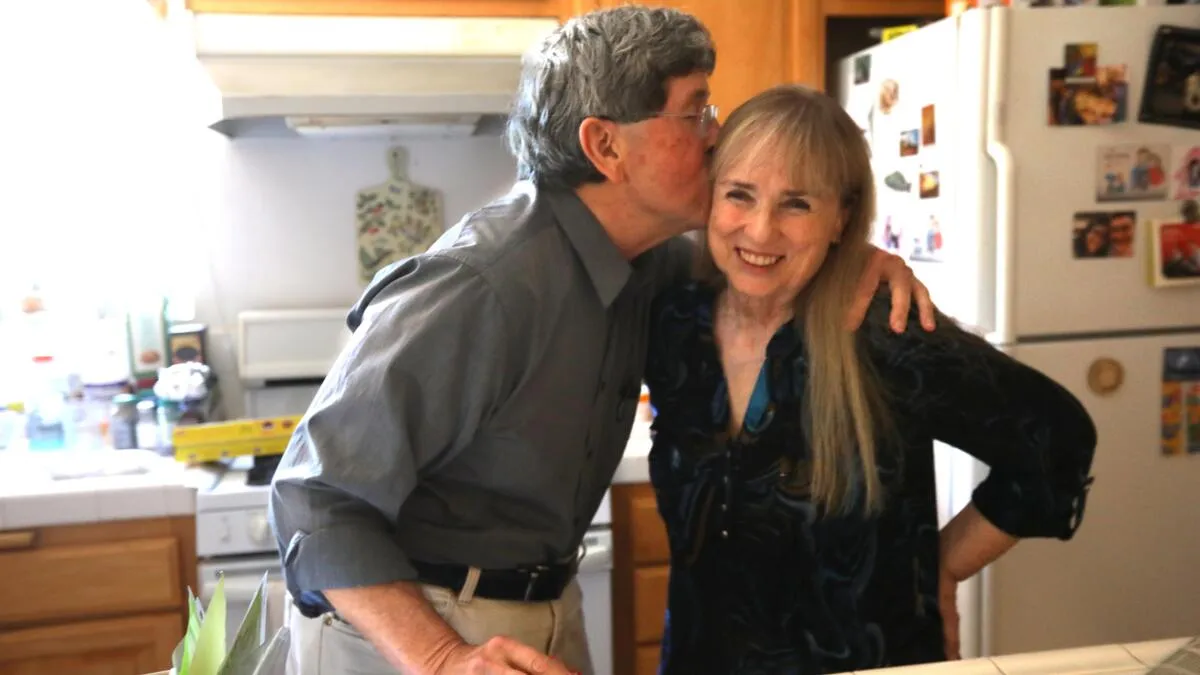
Robin Clough's situation exemplifies these difficulties. After initial treatment in California, she sought targeted immunotherapy at MD Anderson Cancer Center in Houston, which successfully put her cancer in remission. While California law permits interstate telemedicine for life-threatening conditions, it does not cover patients in remission, forcing Clough to travel to Texas for ongoing monitoring. Clough and her husband, Dr. Gene Dorio, proposed legislation, SB 1002, to address this gap, arguing that remission does not equate to a cure and continuity of care is essential.
Opposition to the bill came from representatives of the Medical Board of California and the California Medical Association, who raised concerns about out-of-state physicians' familiarity with California laws and standards of care, as well as difficulties in oversight and disciplinary actions. Assemblyman Marc Berman, who chairs the committee where the bill stalled, suggested alternative solutions like obtaining California licensure or consulting with in-state physicians, asserting that current law provides recourse for malpractice. However, Dr. MacDonald countered that obtaining licenses in multiple states is administratively burdensome and costly, and coordinating consultations with other busy physicians presents practical challenges.
Senator Roger Niello, who introduced SB 1002 after learning of Clough's case, expressed his belief that restricting patient-doctor communication in such circumstances is "cruel." He plans to reintroduce the bill if re-elected. Meanwhile, advocates are exploring legal avenues, and institutions like Johns Hopkins are researching potential remedies, including waivers for established doctor-patient relationships. Dr. Dorio emphasized that in an era of advanced medical technology and telehealth capabilities, restricting access to specialized care is counterproductive and places an undue financial and logistical burden on patients who cannot afford frequent travel.