Since the Stockholm Agreement in December 2018, the Yemeni conflict has entered a new phase, redefined not only by military engagements but also by each party's ability to leverage time and political vacuums. While the agreement aimed to de-escalate tensions in Hodeidah and pave the way for a political settlement, subsequent years have revealed a significant shift in the conflict's dynamics. The Houthi movement, once facing increasing military pressure, gained crucial time to regroup and bolster its capabilities.
Within this evolving landscape, Saudi Arabia's role has been a pivotal factor. As the leader of the Saudi-led coalition and a key member of the international quartet focused on Yemen, the Kingdom has been instrumental in managing the political and military trajectory of the war. Critics of Riyadh's policies argue that a series of concessions made by Saudi Arabia, starting from the Stockholm Agreement through various de-escalation phases and direct negotiations with the Houthis, indirectly provided the group with an opportunity to rebuild its political and military strength after facing unprecedented ground pressure.
The battle for Hodeidah in late 2018 represented a critical juncture in the war. Advancing government forces, supported by the coalition, were close to capturing the strategically vital city and port. Control of this economic and military artery was widely believed to have the potential to dramatically alter the conflict's course and inflict a significant loss on the Houthis. However, the Stockholm Agreement halted military operations at a moment of intense pressure on the Houthi movement, shifting the confrontation from the battlefield to the political arena. Critics contend that Riyadh made a strategic concession by agreeing to freeze a crucial leverage point against the Houthis without securing equivalent gains that would diminish the group's influence or dismantle its military capabilities. Hodeidah was not merely a coastal city but a vital economic gateway, revenue source, and a significant lever of influence; its continued status quo allowed the Houthis to preserve a key power base.
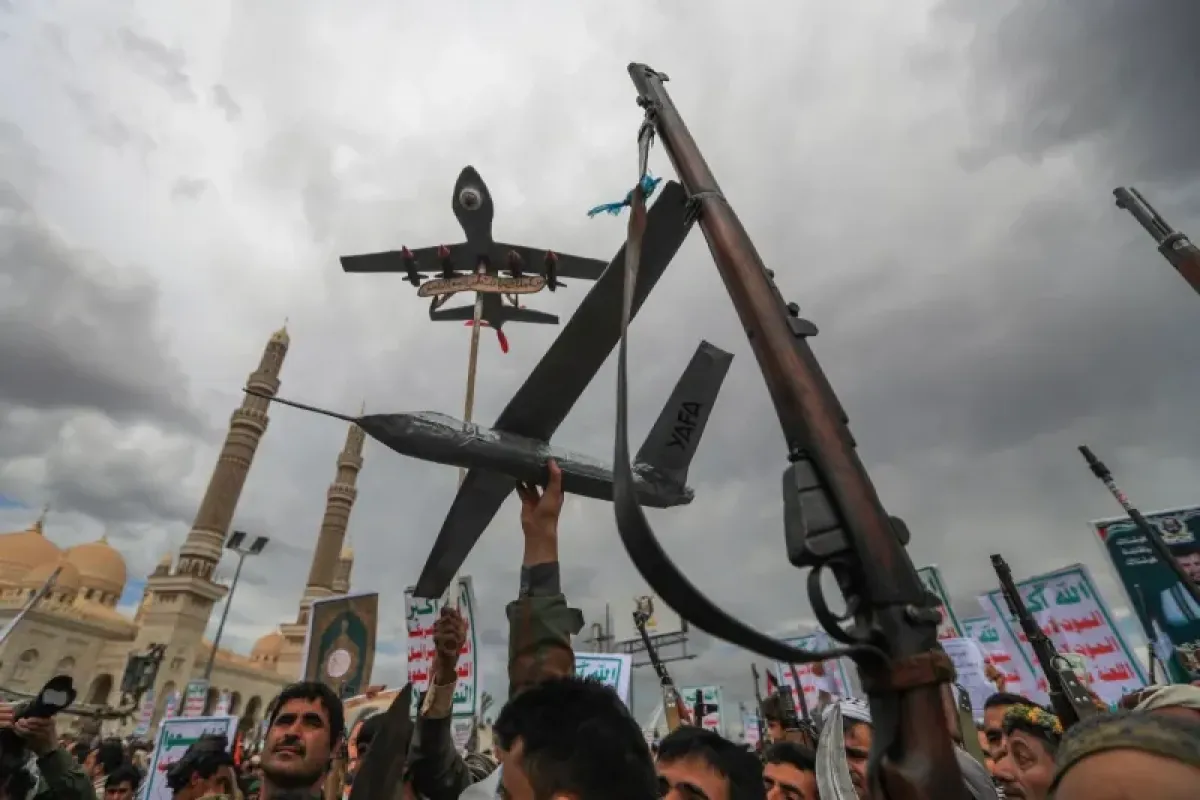
Following Stockholm, the war did not cease but transformed from an open conflict into a protracted, low-intensity struggle. With each new de-escalation phase, military pressure on the Houthis waned, while the group effectively utilized the passage of time. Analysts suggest that armed groups often view ceasefires not merely as pauses in combat but as opportunities for reorganization and capacity restoration. During periods of relative calm, the Houthis managed to restructure their military and security apparatus, enhance their missile and drone capabilities, strengthen administrative and economic control in their areas of influence, expand their internal and regional alliances, and evolve from a besieged armed group into a de facto authority governing significant institutions and territories. Conversely, the internationally recognized Yemeni government faced escalating political, economic, and military challenges, with its leverage on the ground diminishing.
From the outset of its involvement in Yemen, Saudi Arabia maintained that its primary objective was to support the legitimate government and prevent Yemen from becoming a threat to its national security. Over the years, Riyadh's priorities evolved, focusing more intensely on ending the war, protecting its borders, and reducing the security and political costs of the conflict. Consequently, the Kingdom shifted towards supporting de-escalation and dialogue, viewing a political solution as the only path to resolving the crisis. However, critics question whether Saudi concessions were commensurate with those made by the Houthis. This perspective holds that Riyadh made substantial concessions, including halting military operations at critical junctures and engaging in negotiation tracks that elevated the Houthis' political standing, without securing clear guarantees to prevent the group from leveraging these periods to consolidate its power.
One of the most significant outcomes of the political process in recent years has been the Houthis' transition from being classified as an armed rebellion to a principal actor indispensable to any discussion about Yemen's future. As the scope of regional and international negotiations and communications expanded, the group accumulated political gains, most notably cementing the perception of its essential role in the future governance equation. Observers believe this transformation was not solely a result of military strength but also stemmed from accumulated political capital, partly due to the management of the war and the negotiation tracks pursued by regional and international powers.
The tangible results of the Houthis' rebuilt strength became more evident with their escalating operations in the Red Sea and the Gulf of Aden, utilizing missiles, drones, and attack boats to disrupt international maritime traffic. Regardless of political stances on these operations, they underscored a significant shift in the group's capabilities, transforming it from a local force focused within Yemen to an actor with regional influence. Critics of the de-escalation process view this development as a natural consequence of years during which Houthi military capabilities were not subjected to sufficient pressure, while international and regional efforts concentrated on the political track.
Years after the Stockholm Agreement, the most contentious outcome appears to be that de-escalation has not yielded a final peace but has created a new reality on the ground. While Saudi Arabia gambled that political and military concessions would lead to a comprehensive settlement, critics argue that the Houthis viewed these concessions as opportunities to rebuild their strength and expand their influence. In protracted wars, time is not merely a waiting period; it can transform into a strategic weapon. The party that successfully leverages periods of calm may enter the next phase of conflict stronger and more organized. As Riyadh sought to conclude the Yemeni war through negotiation, critics of its approach suggest that some concessions made by the coalition leader and the most influential nation in Yemeni affairs contributed to shifting the balance of power in favor of the Houthis. Approximately eight years after Stockholm, the question remains: Was the Saudi de-escalation policy a necessary step toward peace, or did it grant the Houthis the space and time to rebuild a force that is now more influential than ever before?