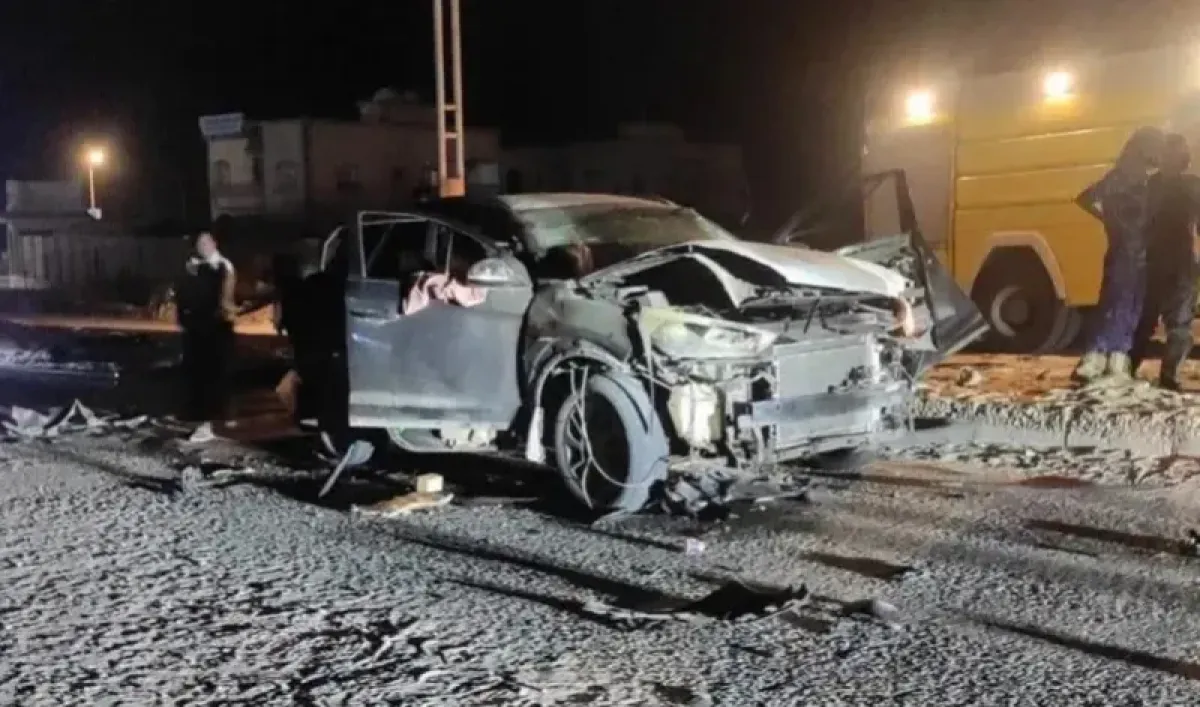
Human rights and media organizations are escalating pressure on Yemeni authorities to disclose initial findings concerning the assassination of journalist Mohammed Ayedh, a correspondent for Al Arabiya and Al Hadath. The calls for transparency and accountability for all involved come more than three weeks after the incident, which sent shockwaves through media and human rights circles.
These demands follow recent statements by the Chairman of the Presidential Leadership Council, Rashad Al-Alimi, announcing the apprehension of individuals involved in Ayedh's assassination and their imminent referral to trial. However, official sources have yet to provide any preliminary investigation results or details regarding the identity of the accused or the entities behind the crime, leaving the case shrouded in ambiguity and fueling growing questions about the progress of the investigation.
Following the assassination, Al-Alimi had ordered the formation of a security and presidential committee to investigate. Yet, this committee has not released its findings, prompting rights and media organizations to intensify their calls for greater transparency and public disclosure of the case's developments, provided it does not prejudice the course of justice.
Three prominent organizations – the Committee to Protect Journalists (CPJ), the Observatory for Freedom of the Press (Mahatt), and the Yemeni Organization for Journalists (Sada) – have jointly urged the Presidential Leadership Council, the Governor of Hadramout, Salem Al-Khanbashi, and the presidential investigative committee to announce initial findings and ensure the legal process leads to the prosecution of all perpetrators.
In their joint message, the organizations emphasized that public disclosure of investigation updates is a pressing necessity given the time elapsed since the crime. They stressed the need for a professional, independent, and transparent investigation that extends to masterminds, instigators, and financiers, not just the direct perpetrators. They warned that any failure to uncover the truth would foster impunity and pose an escalating threat to press freedom in Yemen.
The organizations reiterated their solidarity with the late journalist's family, characterizing the targeting of journalists as a direct assault on media freedom and the public's right to information. They called for practical measures to enhance the protection of journalists and media workers.
According to the message, Ayedh had informed official bodies prior to his assassination of receiving threats and being subjected to surveillance. Approximately one month before his death, he lodged a formal report with security agencies in Hadramout, asserting that his life was in danger and requesting protection. These warnings, however, did not prevent the crime.
Journalist Mohammed Ayedh was killed on June 25th when an explosive device detonated in his vehicle in the city of Mukalla, Hadramout Governorate. This incident is considered one of the most serious attacks against journalists in Yemen in recent years. Ayedh, born in 1986, was a father of four. He began his career as a TV cameraman in Sanaa before working with various channels. He was forced to leave Sanaa in 2018 after being pursued by Houthi militants, eventually settling in Mukalla and working as a freelance correspondent for Al Arabiya and Al Hadath, covering major political, security, and development events in eastern Yemen since 2019.