Twelve years separate two speeches by Houthi leader Abdul-Malik al-Houthi, yet the core messages of economic hardship and corruption remain, while Yemen's reality has dramatically worsened. In 2014, al-Houthi positioned himself and his group as defenders of the Yemeni people against economic decline, rising prices, and insufficient salaries. Today, a decade later, his rhetoric echoes the same themes, but the nation he addresses is tragically transformed, facing a more severe and complex reality than ever before.
The period between these two addresses has plunged Yemen into one of the most turbulent eras of its modern history. Years marked by the collapse of state institutions, economic devastation, deterioration of basic services, widespread poverty and hunger, mass displacement, and tens of thousands of casualties from an ongoing conflict. Since the Houthi takeover of the capital, Sana'a, in September 2014, and their subsequent military expansion, the country has entered a new phase of political and military strife, culminating in an extremely dire economic and humanitarian situation. The initial promises of change and improved living conditions have become unresolved questions for Yemenis still seeking convincing answers about their current circumstances.
A close examination of both speeches reveals a striking similarity in language and themes: discussions of poverty, hunger, the suffering of Yemeni families, plundered wealth, and corruption. The fundamental difference, however, lies in the context: the first speech preceded the group's ascension to effective power in Sana'a, while the latter comes after years where the group has held decisive influence in its controlled territories. This raises a critical question voiced by many Yemenis: if these same problems persist, and indeed have intensified, who bears responsibility for the past decade? Many civil servants who were promised better conditions now face severe hardship, and families anticipating economic relief find themselves in a harsher environment. Cities under Houthi control continue to grapple with compounding economic and service crises, alongside restrictions on economic and investment activities.
Despite the passage of over a decade, the Yemeni people's memory of the years following the state's collapse remains vivid. The subsequent war was not merely a military confrontation but evolved into a comprehensive crisis affecting all aspects of life. Yemen has lost significant development opportunities, its economic capacity has declined, and its infrastructure has been damaged, leaving millions reliant on humanitarian aid for basic necessities. Critics argue that the Houthi leadership, while speaking of public suffering, ignores its direct role in exacerbating this hardship through the continuation of conflict and policies implemented in its territories.
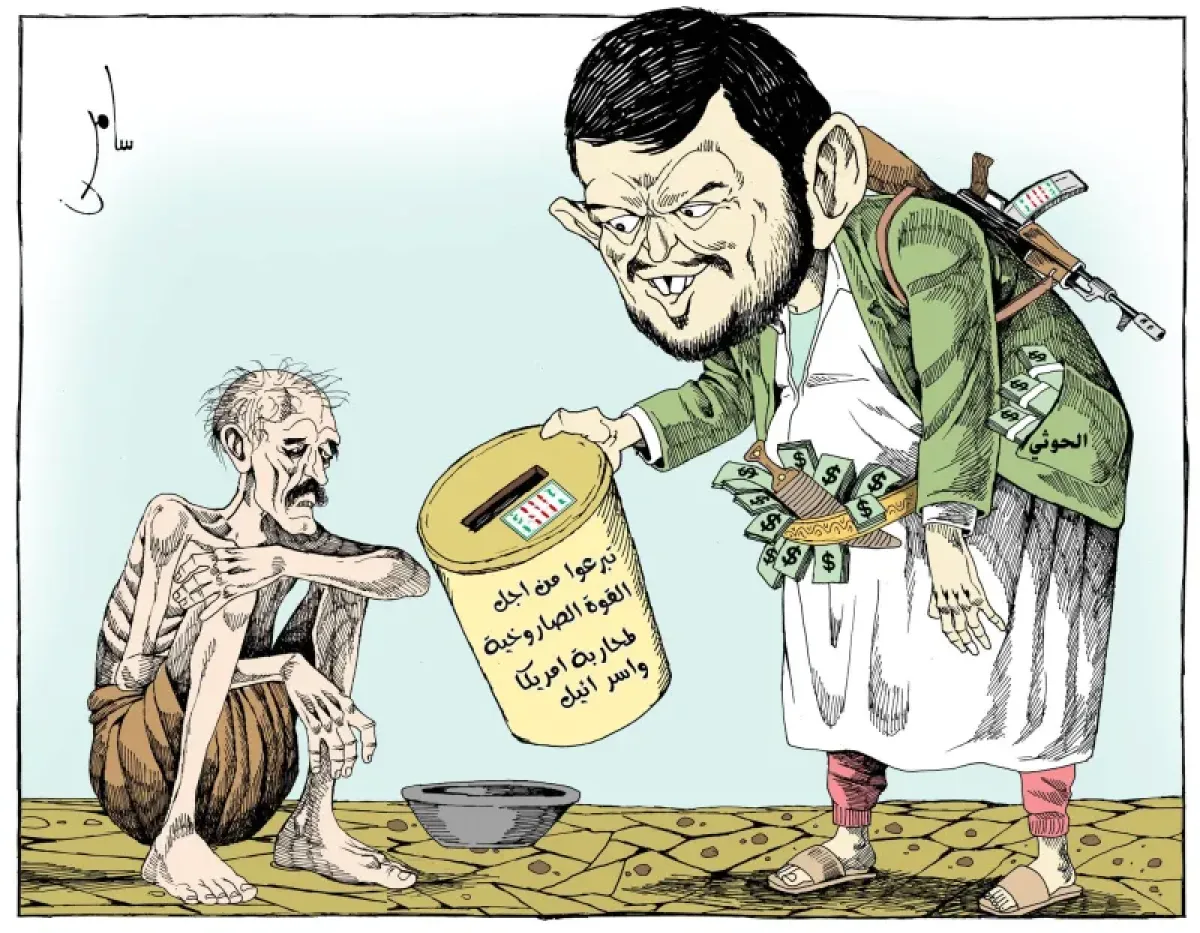
Al-Houthi's recent speech notably focused on oil wealth and economic resources. Observers suggest that attacks on oil export terminals in recent years have deprived the state of a crucial revenue stream needed for public services and financial obligations. While the Houthis discuss plundered wealth, their opponents question the management of resources and revenues within Houthi-controlled areas, the extent of funds collected through various taxes and fees during the war, and their impact on citizens still facing extreme living conditions.
Analysts view the latest speech not just as a rehashing of past rhetoric but as a political and military mobilization effort to rally supporters around conflict slogans. However, the Yemeni landscape today is vastly different from twelve years ago. A society that has paid a heavy price in blood, destruction, displacement, and poverty is now better equipped to evaluate experiences and distinguish between promises and outcomes. Consequently, calls for new rounds of conflict hold less sway for many Yemenis exhausted by war, whose primary concern is restoring stability, improving living standards, and securing employment, education, and essential services.
Twelve years after the first speech, the paramount question persists: what have Yemenis gained from all the slogans raised in their name? The country, promised reform, finds itself at the epicenter of one of the world's worst humanitarian and economic crises. The people, promised justice and prosperity, continue to face daily challenges regarding food, medicine, electricity, and job opportunities. In light of these realities, Yemenis appear to seek not new speeches or repeated slogans, but genuine answers regarding responsibility for the past decade and a path out of the cycle of war and division, one that restores state institutions and upholds the citizen's right to a dignified life. Between the 2014 and 2026 speeches, the slogans have changed little, but Yemen has changed entirely, and millions of Yemenis still await the day when promises translate into reality, ending a long era of suffering that has brought the nation to the brink of collapse.