Iran is strategically leveraging its geographic position and regional influence to construct a maritime blockade, extending from the Strait of Hormuz to the Bab al-Mandab Strait, aiming to exert pressure on the global economy. This strategy involves controlling key maritime chokepoints, which are increasingly vital for international trade and energy flows.
In a world where global commerce and energy transit are concentrated in a few critical maritime passages, dominance is no longer solely determined by land control. Mastery over these naval chokepoints has emerged as a potent tool in international conflict. Straits that facilitate the daily passage of millions of barrels of oil and thousands of commercial vessels have transformed into strategic arenas capable of impacting the entire global economy.
Among these critical junctures, the Strait of Hormuz in the Arabian Gulf and the Bab al-Mandab Strait in the Red Sea stand out as pivotal nodes in the global trade and energy network. This prominence has positioned them at the center of Iran's calculations as it seeks to utilize its geographical location and regional influence to establish a leverage mechanism that spans from the Gulf to the Red Sea.
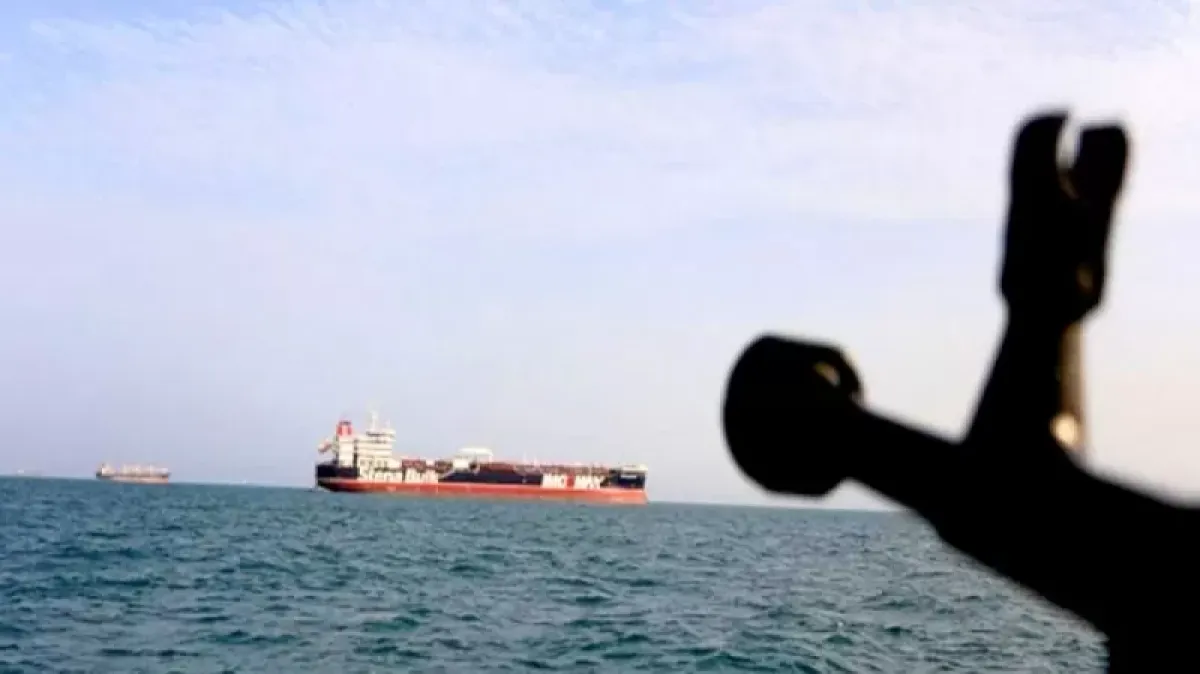
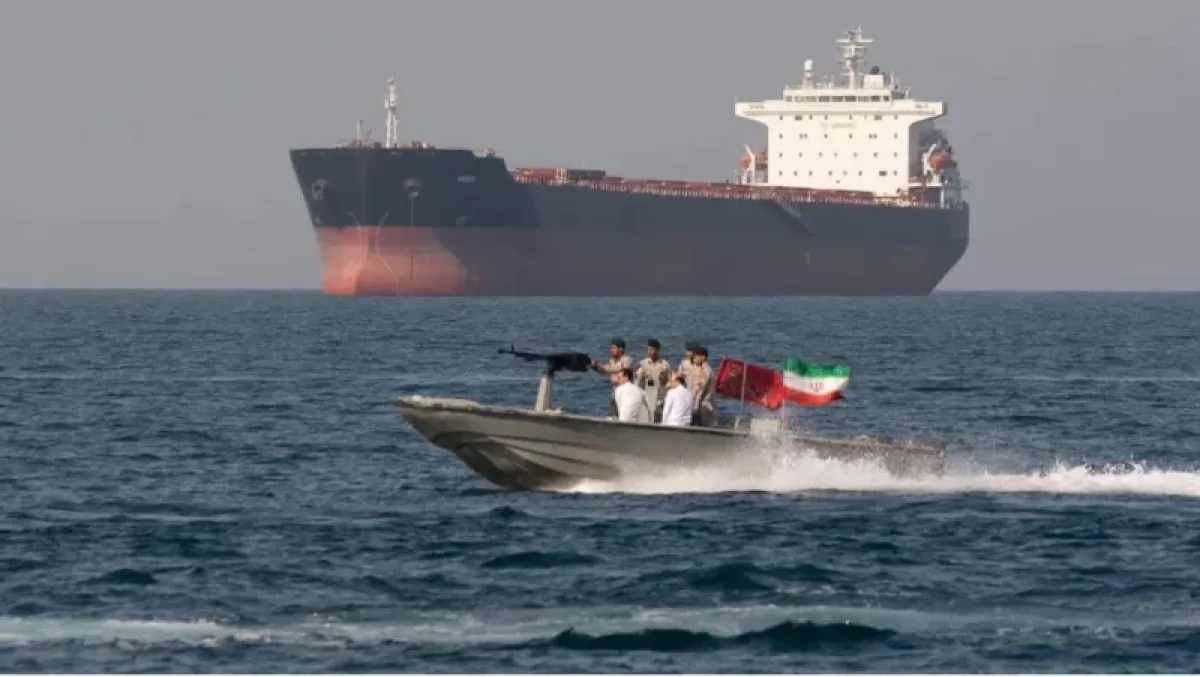
As tensions escalate between Iran on one side, and the United States and Israel on the other, maritime routes have re-entered the spotlight. Tehran views these passages as a significant leverage point in its confrontation with adversaries, not through direct conventional warfare, but by threatening the arteries of the global economy and increasing the cost of conflict for all parties involved. The Strait of Hormuz, a primary conduit for oil and gas exports from Gulf nations, is considered Iran's strongest card in the energy arena. Iran understands that its power lies not just in the military capability to close Hormuz, but in its ability to threaten its security and elevate risks, as heightened tensions or targeted attacks on shipping can disrupt global energy markets.
Iran's maritime strategy extends beyond the Strait of Hormuz, viewing the Red Sea as a natural extension of its regional influence. While Hormuz offers direct leverage over the energy market, Bab al-Mandab provides indirect leverage over global trade through Iranian influence in Yemen via the Houthi movement. The Bab al-Mandab's strategic location, connecting the Red Sea to the Indian Ocean and serving as a crucial passage for ships between Asia and Europe via the Suez Canal, means that any threat to this waterway has implications far beyond the energy sector, affecting global commerce as a whole. Analysts suggest Iran aims to establish a dual maritime leverage equation: direct pressure via Hormuz and indirect pressure via Bab al-Mandab, enabling Tehran to influence both the flow of energy from the Gulf and the trade transiting the Red Sea.
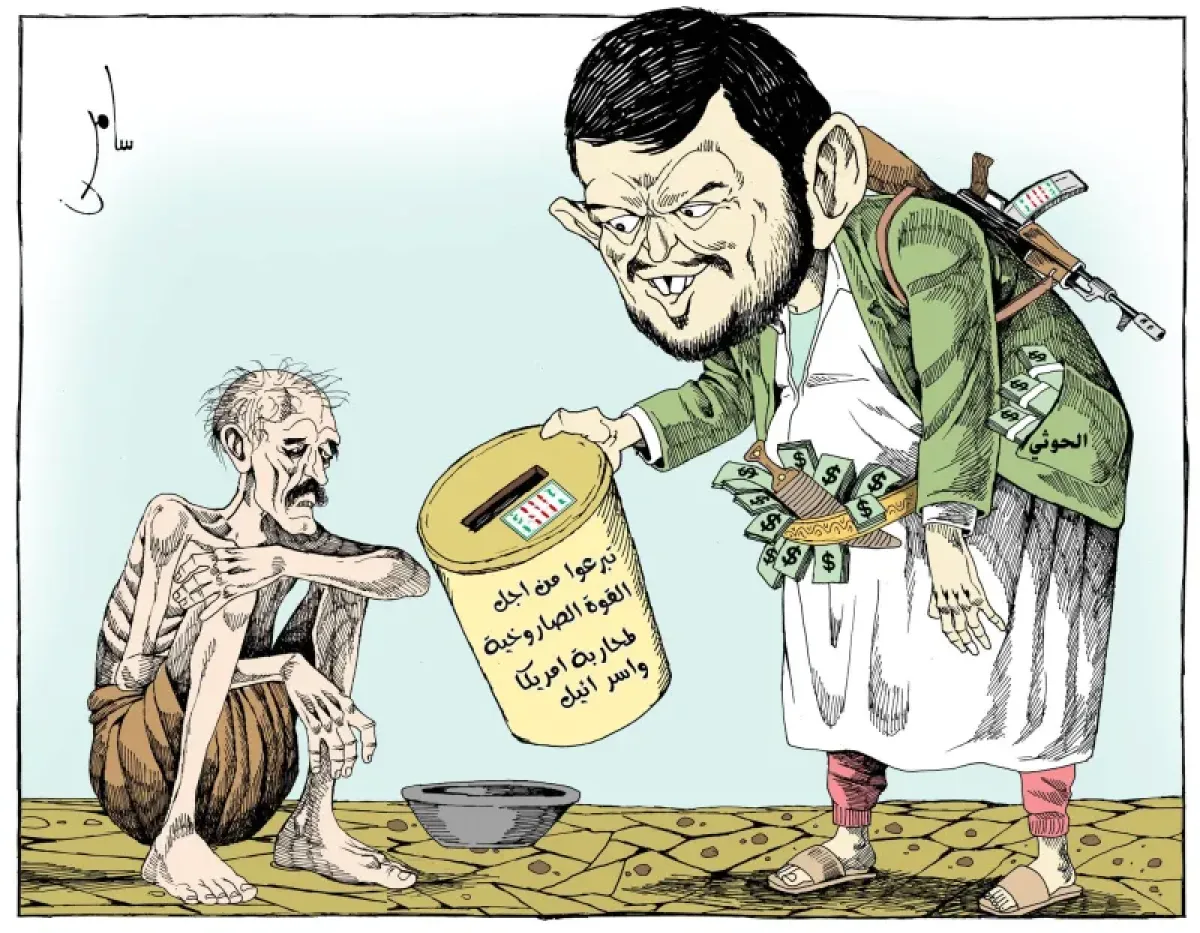
The Houthi movement is a central element in Iran's Bab al-Mandab calculations, providing Tehran with the capacity to influence one of the most sensitive maritime regions without direct Iranian military presence. Through military, technical, and political support, the Houthis have developed capabilities to threaten navigation in the Red Sea, elevating the conflict from an internal Yemeni crisis to an international maritime security issue. This model offers Iran significant maneuverability, allowing it to employ a regional ally for pressure while maintaining a degree of political deniability and avoiding direct confrontation consequences. Consequently, Bab al-Mandab transforms from a mere geographical passage into a strategic asset in the regional conflict, extending beyond Yemen to impact global security and energy calculations.
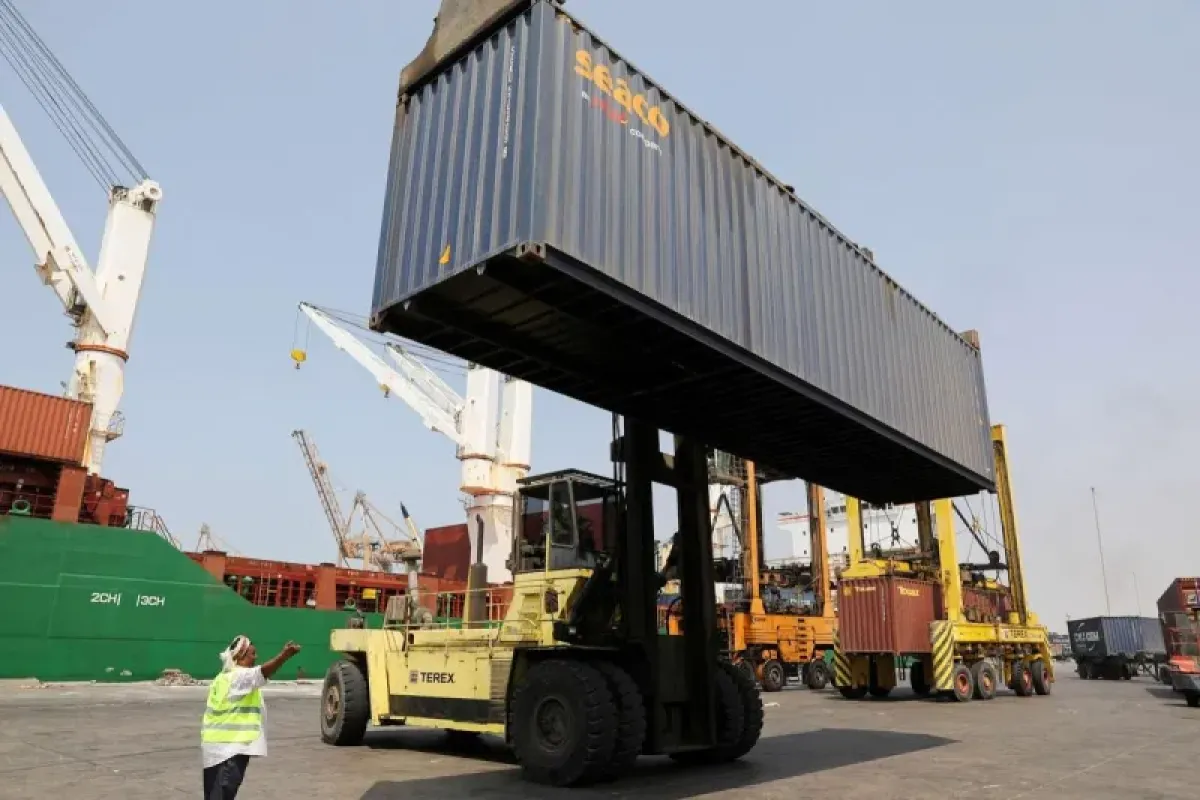
Naval chokepoint conflicts differ from traditional warfare, as they do not require territorial occupation or extensive battles to achieve objectives. Merely threatening navigation in a maritime chokepoint can yield significant outcomes, including global energy price hikes, increased maritime insurance costs, rerouting of commercial vessels, delays in the arrival of goods and raw materials, and disruptions to international supply chains. The danger lies in the fact that global economies bear the cost of protecting these routes, while the threatening party can employ limited means to achieve widespread impact. Iran's strategic understanding of this dynamic underscores its use of the ability to disrupt or threaten navigation as a leverage tool that surpasses the scope of direct military confrontation.
The ongoing developments indicate a shift in the nature of modern conflicts, where control over trade and energy routes has become a decisive factor in the international balance of power, rather than solely land control. In this context, Iran is attempting to build a maritime influence network from the Arabian Gulf to the Red Sea, utilizing its geography and regional alliances, particularly with the Houthi movement in Yemen. However, transforming maritime passages into open conflict zones could compel the international community to strengthen new security arrangements for these vital arteries, potentially leading to increased militarization of seas and trade routes. The struggle between Hormuz and Bab al-Mandab represents one of the most sensitive power contests of the 21st century, focused on the ability to influence global economic flows. Maritime straits have become strategic weapons capable of altering power dynamics and imposing political and economic pressures that extend beyond the Middle East. As tensions persist between Iran and the United States and Israel, the question remains: Will Tehran succeed in transforming its maritime influence from Hormuz to Bab al-Mandab into a global leverage tool? Or will escalating risks prompt international powers to redefine the rules for safeguarding maritime routes before they devolve into open confrontation arenas?