In Gaza, a daily struggle for water highlights an escalating health crisis as the enclave's water and sanitation systems face unprecedented collapse, threatening long-term environmental damage and immediate public health.
Ibtisam Al-Helou, a mother of three, exemplifies this crisis, embarking on pre-dawn journeys through devastated neighborhoods in Gaza City to find potable water. Despite living near the Mediterranean Sea, access to fresh water for cooking, drinking, and hygiene is severely limited, with families receiving water only once every three days. This scarcity forces residents to trek significant distances, underscoring the dire consequences of the breakdown in essential services.
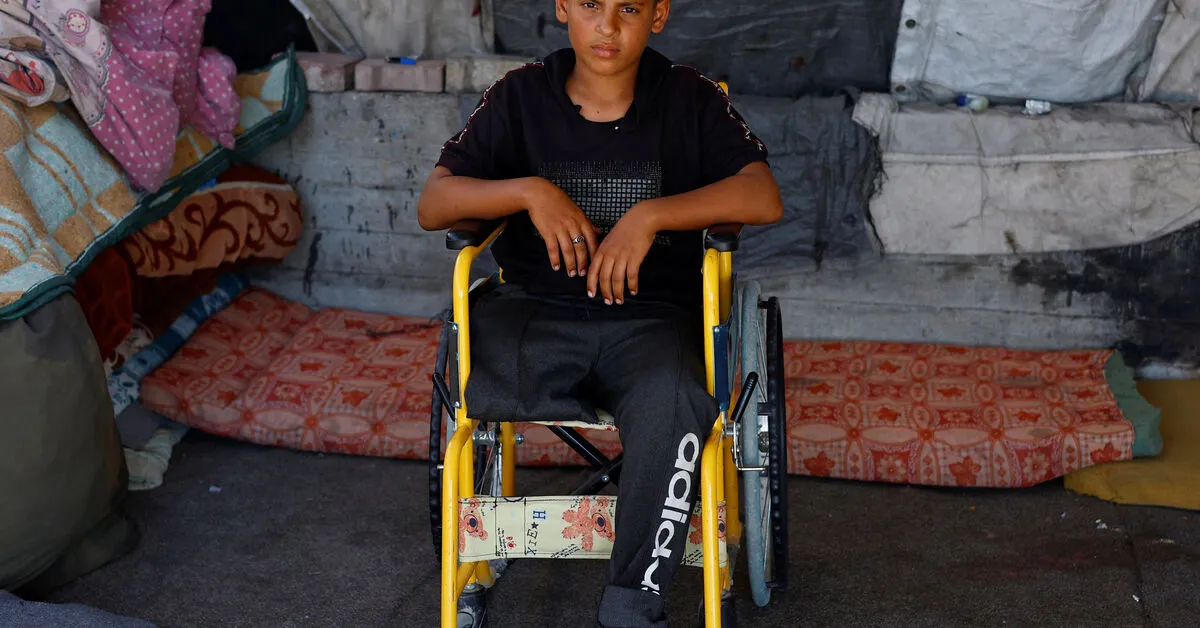
Aid agencies and United Nations officials warn that the near-total disintegration of water and sanitation infrastructure is trapping Gazans between acute thirst and a future environmental catastrophe. Families spend hours queuing for meager supplies from water trucks, returning to disease-ridden, overcrowded tent camps. The critical shortage impacts daily life profoundly, with children now lucky to wash once a week, a stark contrast to pre-war routines.
The limited access to clean water has led to significant health risks, particularly for children. Many are forced to cool off in the sea, a practice that, while providing temporary relief, often results in skin infections, scabies, and allergies, incurring substantial treatment costs for families. Health officials express grave concern as untreated sewage from hundreds of thousands of cesspits seeps into Gaza's coastal aquifer, the territory's sole source of freshwater, exacerbating the spread of waterborne diseases like diarrhea and skin infections.
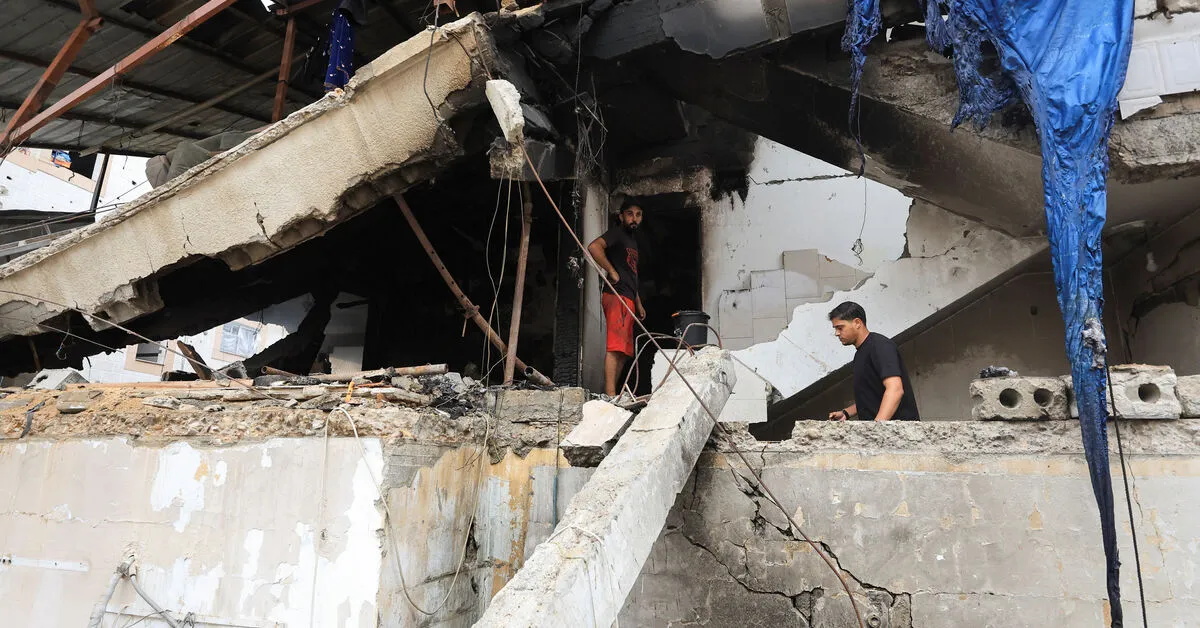
According to United Nations assessments, over half of Gaza's population, approximately 1.3 million people, have access to less than six liters of drinking water per day, with some medical charities reporting an average as low as 4.3 liters, a drastic reduction from the pre-war average of 85 liters per person. The operational water wells have dwindled from around 320 to fewer than 100, and an estimated 80% of the water distribution network and most desalination facilities have been damaged or destroyed.
The challenges extend to the delivery of aid, with water trucks navigating rubble-strewn routes to reach displaced populations. Officials warn that the prolonged crisis is not only impacting immediate health but also causing irreparable damage to Gaza's water infrastructure, with consequences that could last for decades. The collapse of sanitation systems, with over 300,000 cesspits discharging untreated wastewater into the aquifer, has led sanitation officials to declare a loss of control over the territory's water sources, characterizing the situation as the worst Gaza has ever experienced.