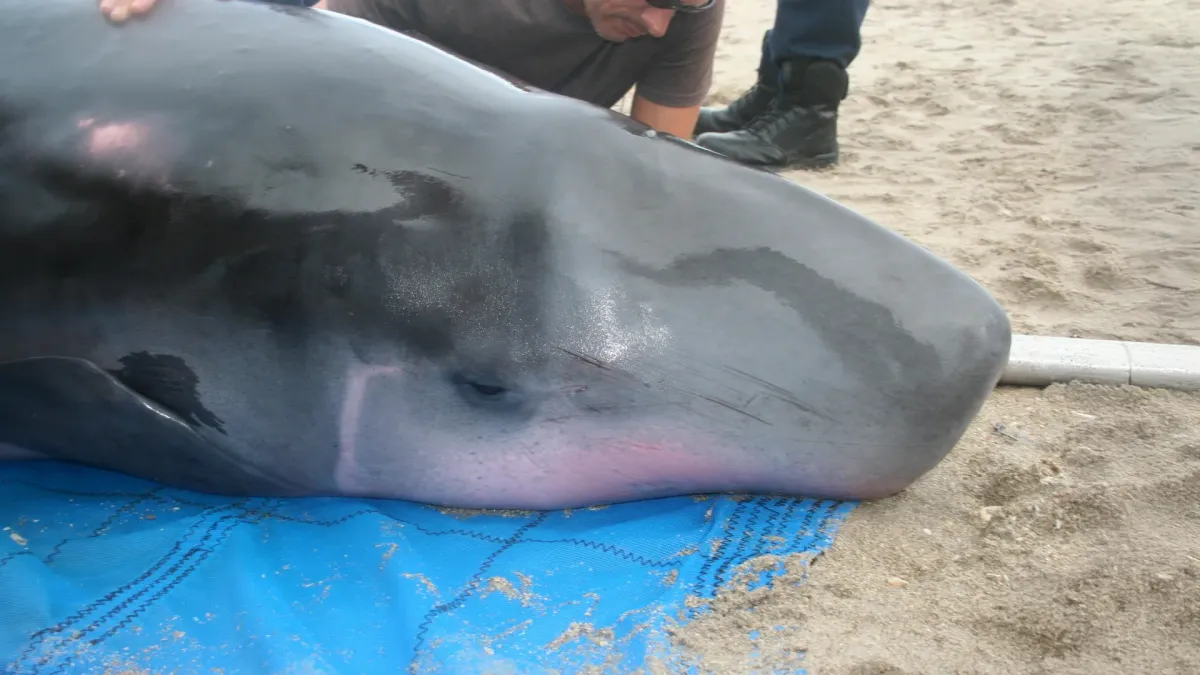
Scientists have discovered three new types of bacteria, dubbed *Kogia Helicobacter* 1, 2, and 3, living in the stomachs of pygmy sperm whales, some of the ocean's most mysterious mammals. This finding, based on over two decades of studying stranded whales, offers a rare glimpse into the health of these elusive creatures and raises new questions about marine wildlife diseases.
Pygmy sperm whales are notoriously hard to study, spending most of their lives offshore and being incredibly secretive. Much of what researchers know comes from unfortunate animals that wash ashore, particularly along the southeastern United States. These strandings have previously revealed recurring health issues, including stomach ulcers often linked to *Helicobacter*, a group of bacteria found in various animals.
After digging through more than 20 years of stranding records and tissue samples, researchers from Florida Atlantic University's Harbor Branch Oceanographic Institute identified these novel bacterial genotypes. Published in the *Journal of Wildlife Diseases*, the study marks the first time these specific bacteria have been confirmed in pygmy sperm whales. "To find novel strains of these bacteria in a deep-diving whale species is intriguing," stated Dr. Annie Page, a senior author on the study.
The research team examined tissue samples from stranded whales between 1999 and 2020. In four cases, they found spiral-shaped bacteria in stomach tissue. Further analysis revealed the three new *Helicobacter* genotypes. Two, *Kogia Helicobacter* 1 and 2, are genetically similar to known species found in other marine mammals and humans. However, *Kogia Helicobacter* 3 is more distinct, suggesting a greater diversity of undiscovered bacteria in the ocean.
Importantly, all four whales infected with these new bacteria showed clear signs of gastrointestinal damage, including gastritis and ulcers. While the bacteria weren't directly blamed for the whales' deaths, their presence alongside these lesions suggests they could play a role in chronic health problems. This raises concerns about potential implications for the health of vulnerable whale populations.
The study highlights the crucial role of long-term stranding programs. "Without the ability to study these stranded animals over decades, we never would have discovered these bacteria," Dr. Page added. Future research will focus on understanding how widespread these infections are and their long-term impact on whale health and survival.