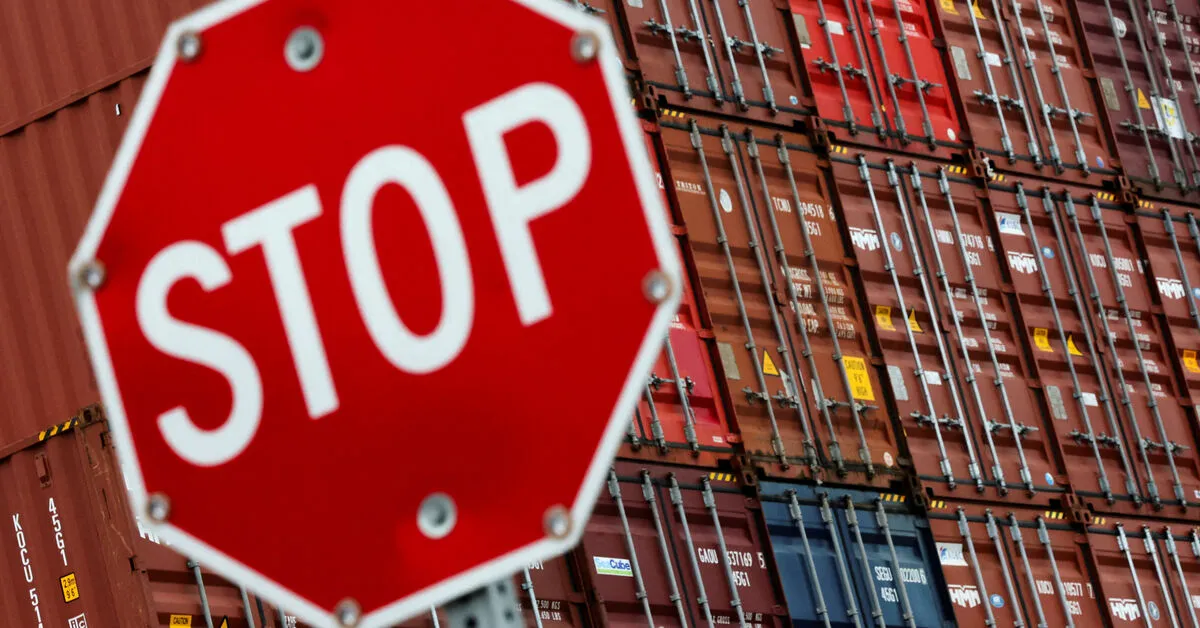
The Trump administration has implemented new tariffs, ranging from 10% to 12.5%, on goods from 60 trading partners, including the European Union and China. This action, announced just as a temporary 10% global tariff expired, is attributed to allegations of lax enforcement of forced labor bans by these nations.
This move marks the White House's latest attempt to reinstate a broad tariff policy following a U.S. Supreme Court ruling that invalidated previous "reciprocal" duties imposed under a national emergencies law. The newly announced tariffs, detailed in a Federal Register notice, are designed to cover approximately 99.4% of U.S. imports, though specific product exemptions, such as for oil, gas, fertilizer, and certain food items, are included.
Imposed under Section 301 of the Trade Act of 1974, these duties empower the administration to maintain a tariff baseline on nearly all imports, circumventing the setback from the Supreme Court's decision. Legal experts suggest these tariffs may face fewer legal challenges, as Section 301 has previously withstood court scrutiny.
U.S. Trade Representative Jamieson Greer stated, "The United States has had a forced labor import ban for nearly a century, and rigorously enforces it. It’s well past time for our trading partners to do the same." He added that the action aims to address "a human rights abuse and distortive trade practice to improve the welfare of workers everywhere." Certain countries with existing trade agreements capping U.S. tariff rates will see the new duties applied in a manner that respects those agreed-upon limits.
The tariffs were applied to a range of countries. For instance, the European Union, Taiwan, Japan, South Korea, and Switzerland were assigned rates that, when combined with existing tariffs, total either 10% or 12.5%. Other nations, including Vietnam and China, were assigned a 12.5% rate. China, in particular, has been accused by the U.S. of detaining Uyghur minorities in work camps, an allegation Beijing denies.
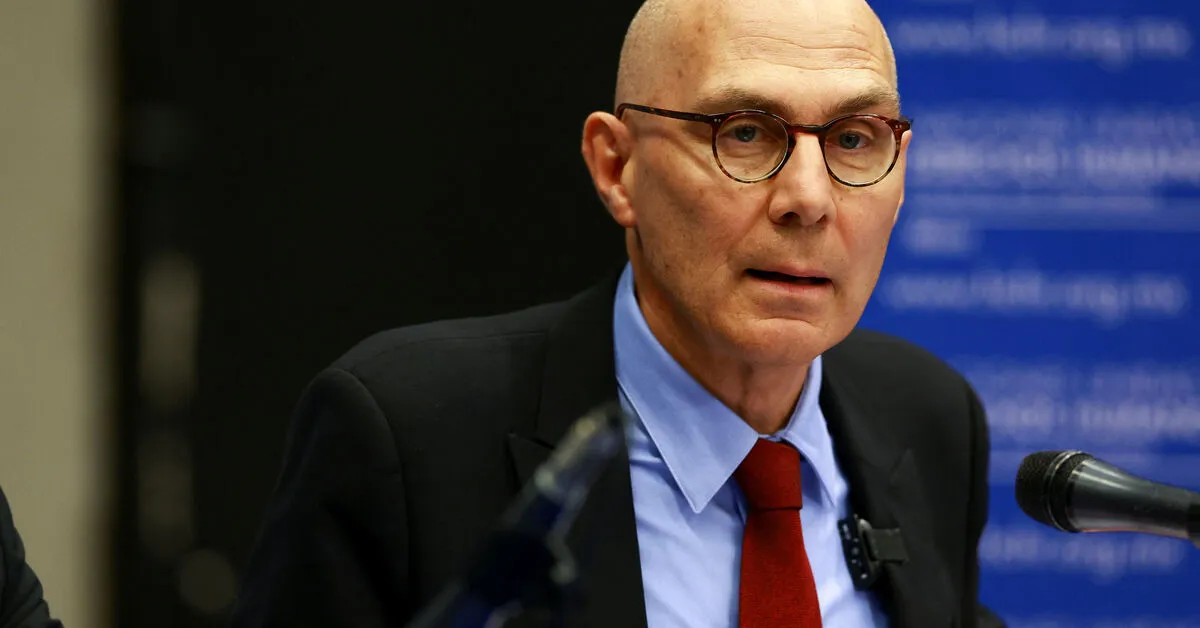
The new tariffs have drawn immediate criticism from several trade partners. Kaja Kallas, the European Union's foreign policy chief, described the move as a "shock" and questioned its rationale, highlighting the EU's strong labor laws. Australia and Brazil have deemed the tariffs unjustified and plan to seek their removal, while Norway stated there was no basis for them. Canada, which recently faced new tariffs from the U.S., issued a reserved response, indicating a commitment to constructive engagement.