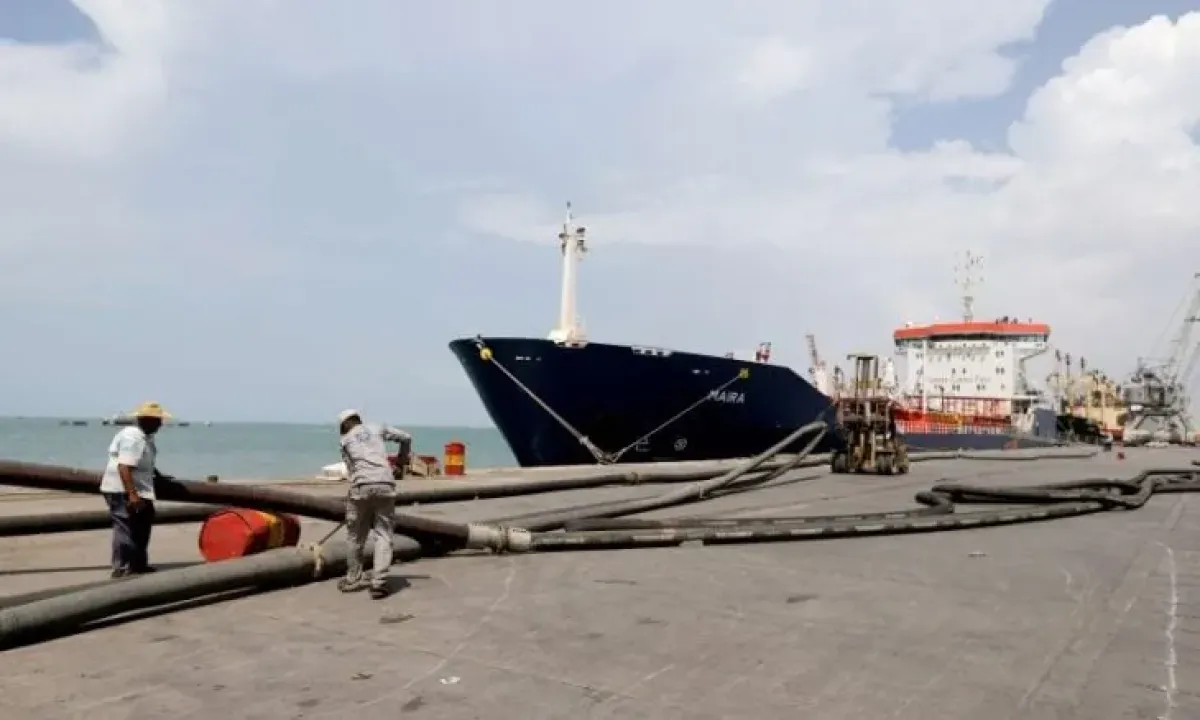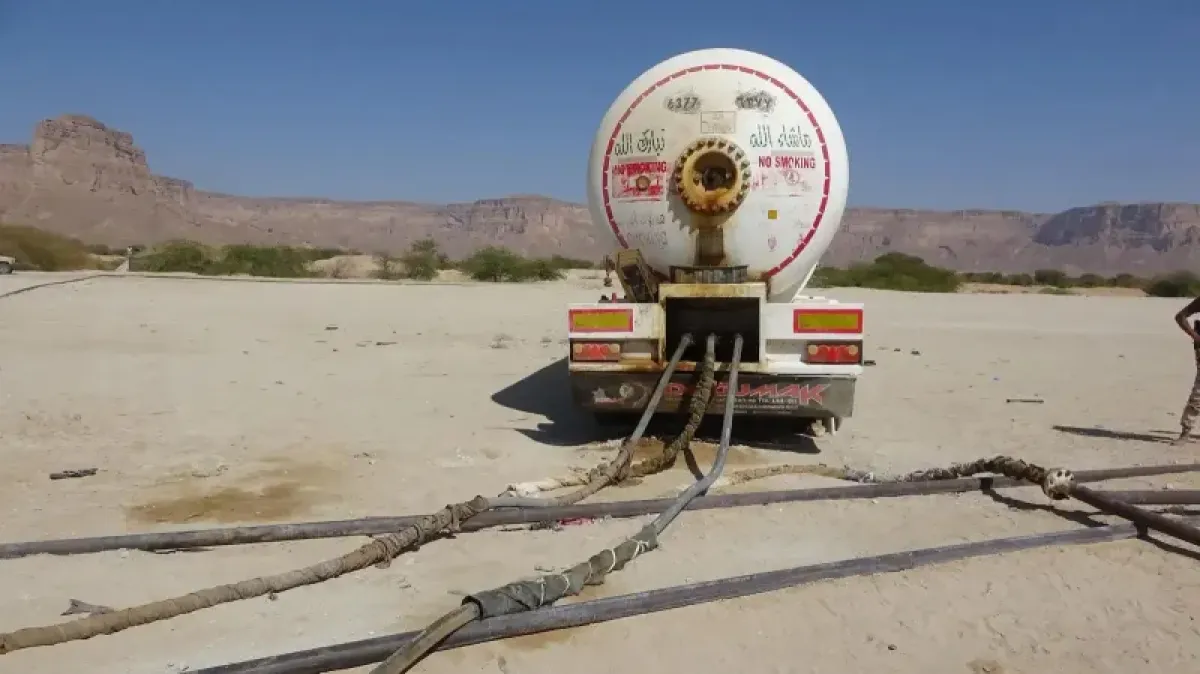
Local authorities in Yemen's Hadramout province are demanding a guaranteed share of oil revenue as arrangements are made to resume oil exports, amid discussions of a new revenue-sharing mechanism involving all Yemeni governorates.
These developments coincide with efforts to restart the oil sector after years of disruption, driven by severe economic pressures on the Yemeni government and its need for financial resources to meet its obligations. However, the issue of revenue distribution is reigniting a widespread debate regarding the rights of producing governorates and the management of national wealth.
The local authority in Hadramout affirmed its support for resuming oil exports, viewing it as crucial for restoring state resources and improving the financial situation. However, it emphasized that any new arrangements must be based on principles of "partnership, justice, and fairness" to secure the province's rights, given it is the largest oil-producing governorate.
The local authority stated that Hadramout has borne the economic, social, and environmental burdens of oil production and export operations for decades, while being deprived of its legitimate rights. It rejected any arrangements that might diminish its financial entitlements.
The province also highlighted that the agreement made in 2016, following the resumption of oil production and export from the Al-Masila fields via the Duba port, which grants Hadramout a 20% share of crude oil produced and exported from its oil sectors, is an "acquired right" that must be preserved.
Economists suggest that the absence of a clear and transparent framework for managing oil revenues over the past years has exacerbated tensions in producing governorates, making oil wealth a sensitive issue in the relationship between the central government and the provinces. They warn that any arrangements disregarding the specific situations of producing governorates could reignite disputes over resource management, especially given a growing sentiment that local wealth has not adequately translated into development and services.
In contrast, the ongoing financial and institutional division presents significant challenges for the government, which requires stable revenues to cover essential expenses, pay salaries, and improve services amidst declining public revenues and past disruptions to oil exports. Observers believe that the success of resuming oil exports depends not only on technical and security aspects but also on achieving clear political consensus on revenue distribution, avoiding temporary solutions or deals that might address immediate financial crises but leave underlying disputes unresolved.
The Hadramout local authority maintains that its insistence on the province's rights does not conflict with supporting state stability or the resumption of oil exports, emphasizing its role as a partner in supporting the national economy while demanding equitable partnership in resource management.