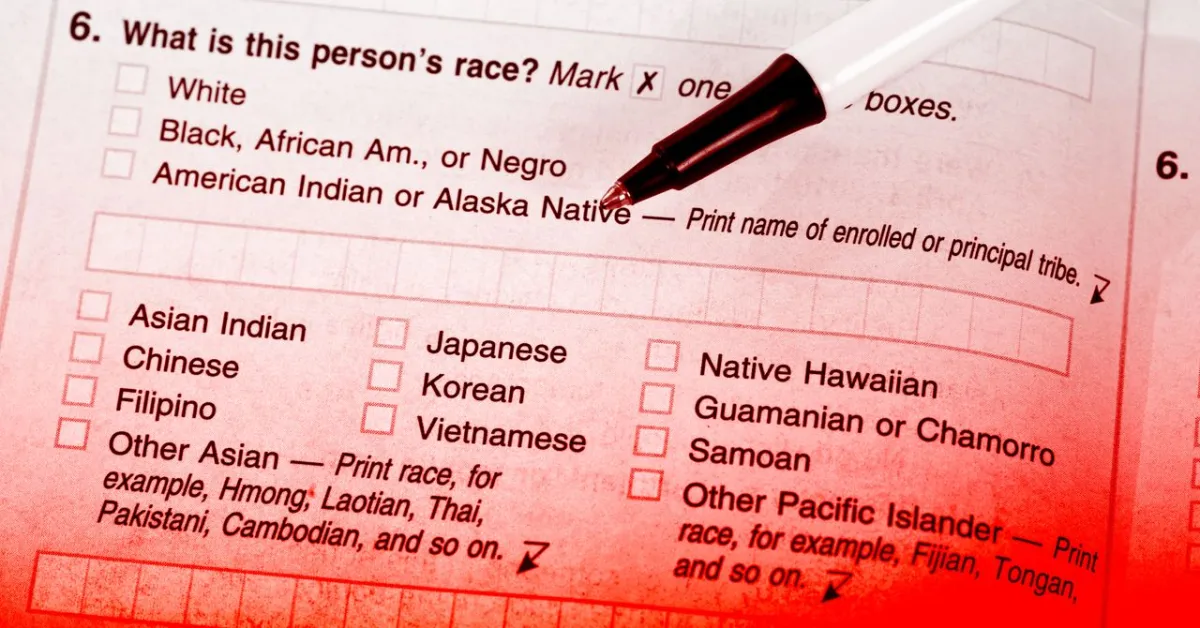
A controversial proposal is circulating within the US Department of Commerce that could dramatically alter the 2030 census by halting the collection of data on racial minorities, LGBTQ+ individuals, and excluding undocumented immigrants from the count.
Documents obtained by WIRED reveal that the proposed rule aims to remove questions about race and sexual orientation, citing a desire to "protect from any distortions created from the inclusion of personal questions." The memo also suggests that "illegal aliens" should not be included in the apportionment count, arguing they are not "true inhabitants."
This potential shift would likely necessitate reintroducing a citizenship question, a move previously attempted by the Trump administration but blocked by the Supreme Court. Experts warn that such changes could have significant repercussions for federal funding allocations, particularly impacting states with large minority and immigrant populations.
"This is about the Voting Rights Act," explained Danah Boyd, a Cornell University professor studying the census, highlighting how the elimination of this data could hinder efforts to identify and challenge political inequalities and ensure fair representation.
The move follows a pattern of scrutiny from Republicans and the Trump administration regarding census methodology. Concerns have also been raised about the impact on critical federal funding for programs that rely on detailed census data, potentially affecting Native populations and other groups that receive specialized support.