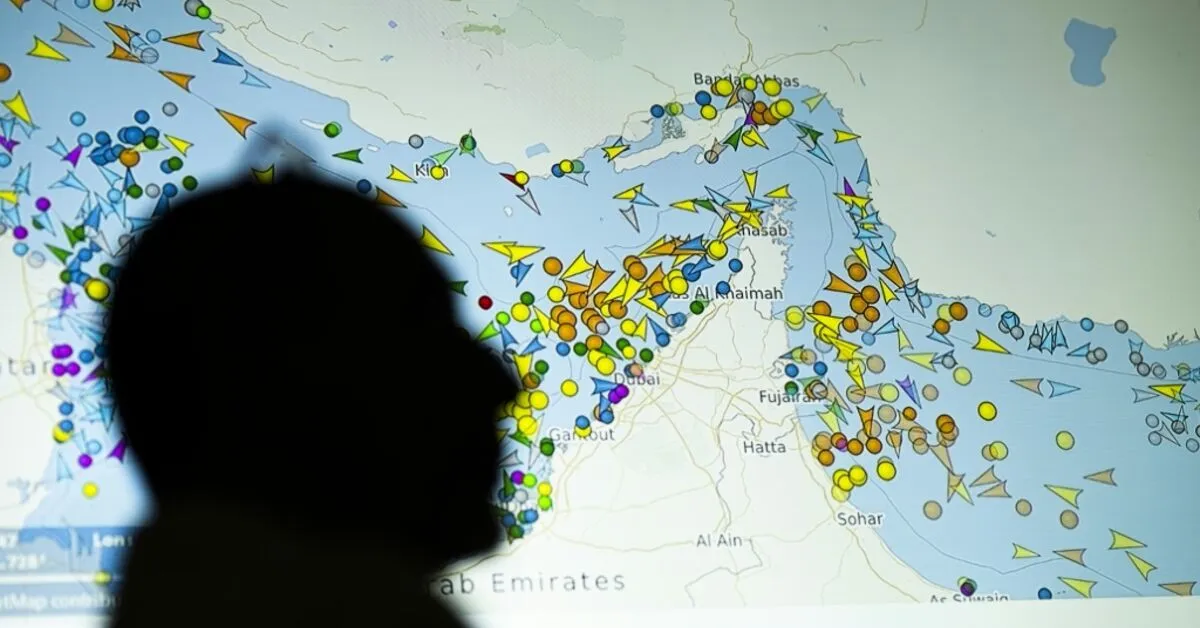
Iran has firmly rejected United States President Donald Trump's assertion that he intends to declare the Strait of Hormuz a United States territory, stating that the vital energy chokepoint "will remain Iranian." The assertion comes amid escalating tensions and a de facto blockade of the strait by Tehran.
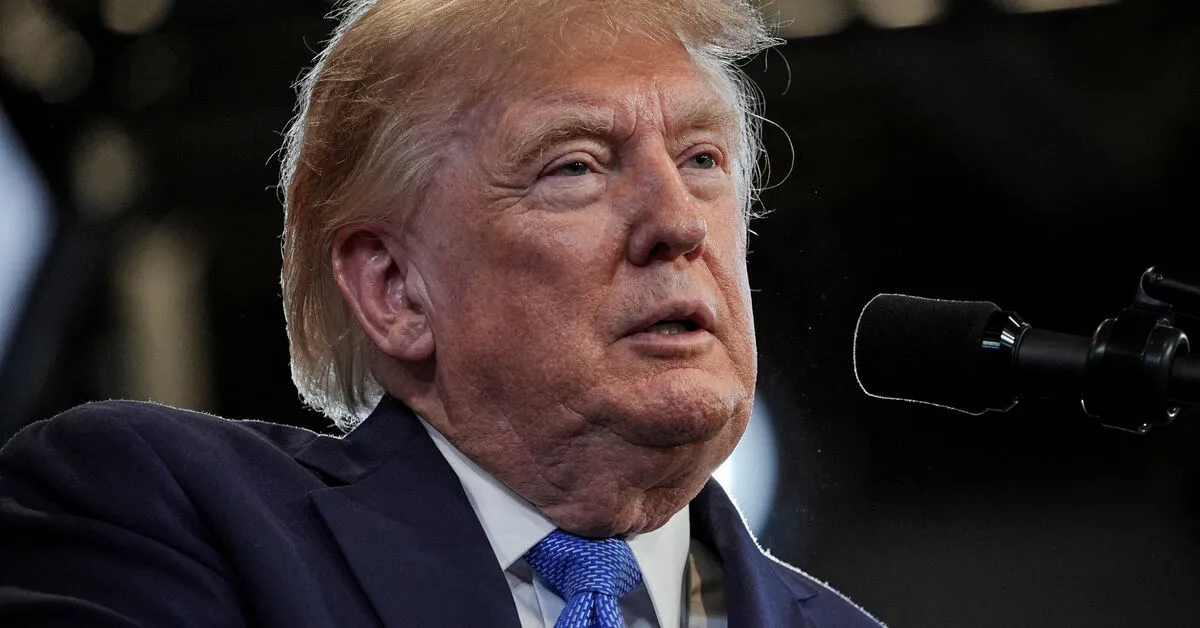
President Trump, speaking at a rally in New York, declared his intention to claim the Strait of Hormuz as U.S. territory following an anticipated defeat of Iran. This statement contradicts Iran's position, which asserts full sovereignty and control over the waterway. Iranian Deputy Foreign Minister Kazem Gharibabadi reiterated Tehran's stance on X, stating, "The Strait of Hormuz has been Iranian, is Iranian, and will remain Iranian. This strait will only be closed and opened under Iran's command." A White House official later reportedly suggested that President Trump's remarks were intended as a joke, according to The Wall Street Journal.
Last week, a senior Iranian official outlined a series of conditions for the reopening of the strait, including the cessation of hostilities and aggression against Iran and its allies, the lifting of crippling sanctions, and the release of frozen assets. These demands underscore the complex geopolitical landscape surrounding the Strait of Hormuz, which is crucial for global energy transit.
Attacks in the Strait of Hormuz have persisted, highlighting ongoing risks to regional shipping. The United Arab Emirates' state-owned oil company, ADNOC, reported an attack on one of its vessels. This incident follows accusations by the UAE that Iran was responsible for previous attacks on two ADNOC-linked vessels in the strait. These maritime security concerns have contributed to the breakdown of a ceasefire agreement between the U.S. and Iran in April.
The closure of the Strait of Hormuz, which previously carried approximately one-fifth of the world's oil and LNG exports, has led to significant price surges and increased economic and political pressure on Washington. Iran's strategy appears aimed at controlling passage and potentially levying tolls, a move the United States vehemently opposes. The closure has also created political challenges for President Trump, particularly as the U.S. midterm elections approach, with energy prices impacting American voters.
While diplomatic efforts have stalled, reports indicate that Iran and Oman have agreed on a transit route for ships through the strait and are finalizing arrangements for joint management. In response to Iran's actions, the United States has imposed retaliatory blockades on Iranian ports in an effort to cripple its economy, with President Trump stating, "We have the blockade. No ships get through unless we want them to."