A bitter, decades-long conflict over the future of agriculture within the Point Reyes National Seashore has reignited, as two remaining ranching families are suing to overturn a recent settlement aimed at prioritizing wildlife and natural landscapes.
For nearly 60 years, the Point Reyes National Seashore, a 110-square-mile peninsula north of San Francisco known for its stunning natural beauty and diverse wildlife, has been the site of intense land disputes. The conflict primarily pits sustainable and organic ranchers, who argue their way of life is integral to the seashore's heritage, against environmentalists who contend that commercial farming is incompatible with a taxpayer-funded park dedicated to wildlife protection and public recreation.
Last January, a settlement was announced involving the National Park Service and 11 of the 13 historic ranching families. This agreement stipulated that natural landscapes and wildlife would take precedence over agriculture, with the departing families compensated for their losses. Many involved, including environmental advocates, viewed the settlement as a necessary compromise, with Jeff Miller of the Center for Biological Diversity noting, "The ranchers walked away with a few million dollars and the tule elk get to stay."
However, this year, the two remaining ranch and dairy families, the Evanses and the Nimans, filed lawsuits challenging the settlement. Their objective is to reverse the deal, which was finalized during the waning days of the Biden administration. The Trump administration, with its stated pro-agriculture agenda, is reportedly taking notice of the ongoing legal challenges.
The dispute intensified in 2012 when the park service moved to close an oyster farm. At that time, then-Secretary of the Interior Ken Salazar pledged that ranchers could remain, stating in a memorandum that "working ranches are a vibrant and compatible part of Point Reyes National Seashore." Four years later, environmental groups sued, citing concerns over manure pollution, soil erosion, and harm to native wildlife, including the tule elk, some of which had been fenced off to prevent competition with cattle.
The resulting management plan in 2021 initially favored ranchers, granting them 20-year leases and allowing for the culling of elk that interfered with cattle. This decision prompted further lawsuits from environmental organizations, culminating in the settlement that led to the departure of 11 ranch families. These families are believed to have received between $2.5 million and $3 million each, though specific amounts are undisclosed due to non-disclosure agreements.
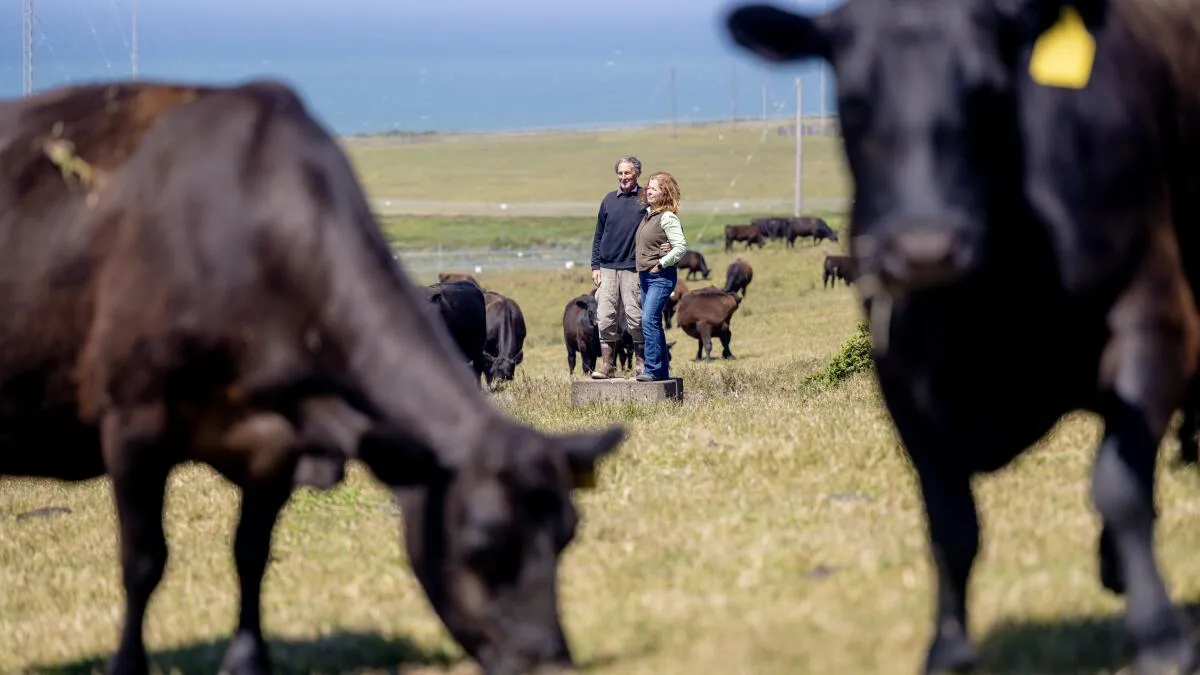
The Evans and Niman families, however, have a different vision. The Evans clan has operated cattle on the peninsula for 150 years. Bill Niman and Nicolette Hahn Niman, who founded BN Ranch and have a history of promoting humane and environmentally sound agricultural practices, argue that the seashore's original charter envisioned agriculture as a compatible use. They contend that the park service was negligent in its rule-making and that Point Reyes, as a "seashore," is subject to fewer preservation rules than a traditional "park." Their lawsuit aims to facilitate a model where farming can coexist harmoniously with wildlife.
The legal actions by the Evans and Nimans have garnered attention from political appointees within the Interior Department, including Karen Budd-Falen, who advocates for western ranchers. This support aligns with the current administration's focus on the commercial cattle industry. However, representatives like U.S. Representative Jared Huffman (D-San Rafael) argue that overturning the settlement would necessitate significant legal and legislative changes, requiring years of federal review and potentially substantial funding.
For many, including Theresa Harlan, a descendant of the Coast Miwok tribe, the effort to challenge the settlement reopens old wounds. Conversely, some, like Ken Boulay of the Turtle Island Restoration Network, advocate for moving past ranching to restore the peninsula to its pre-ranching ecological state, reintroducing native species and rebuilding natural waterways. The outcome of this latest legal challenge remains uncertain, with implications for land use policy and the future of conservation at Point Reyes.