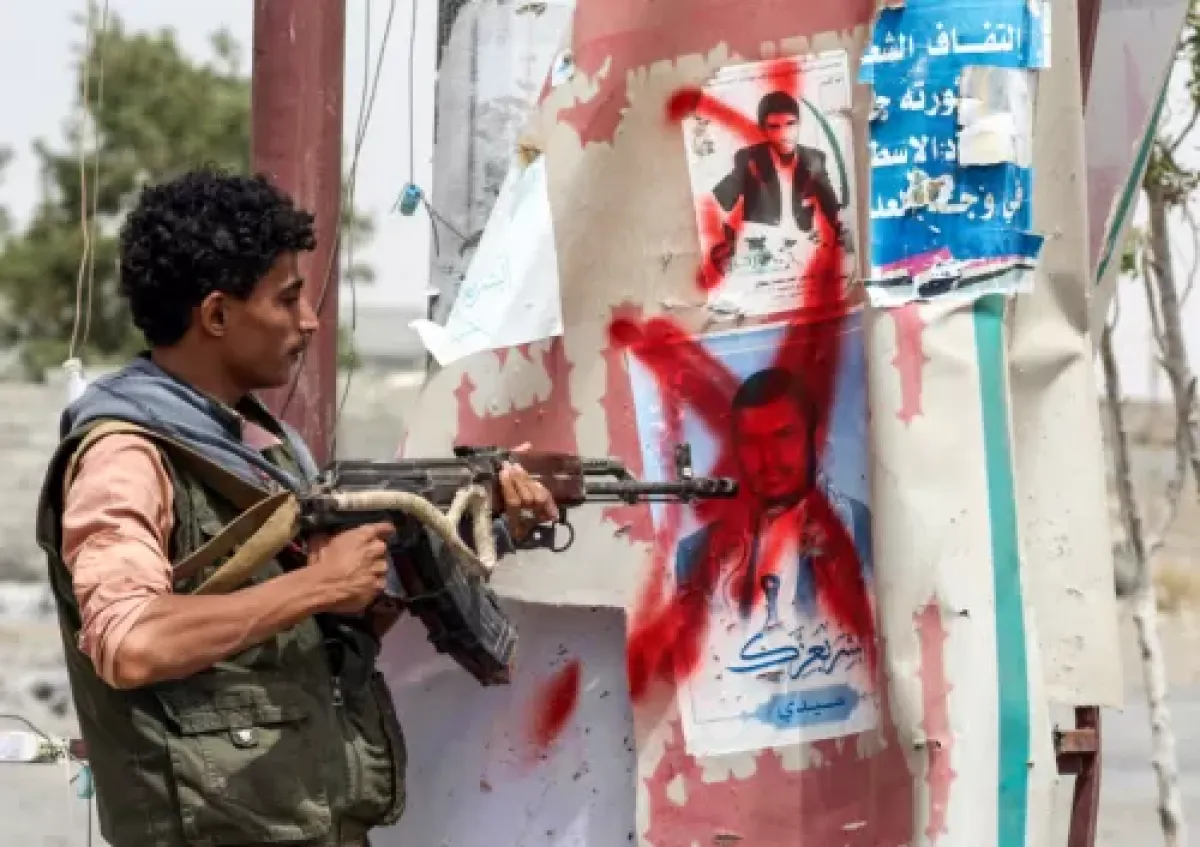
The Houthi militia's escalated military actions, initiated to pressure Saudi Arabia, have entered their second month without achieving discernible outcomes, marked by a noticeable decline in operational tempo and rhetoric.
Following a period of relative calm in Yemen since a UN-brokered truce took effect four years ago, the Iran-backed Houthi group launched a military escalation on July 20th, targeting Saudi Arabia. The militia claimed this offensive was aimed at ending what they described as a blockade imposed by Riyadh.
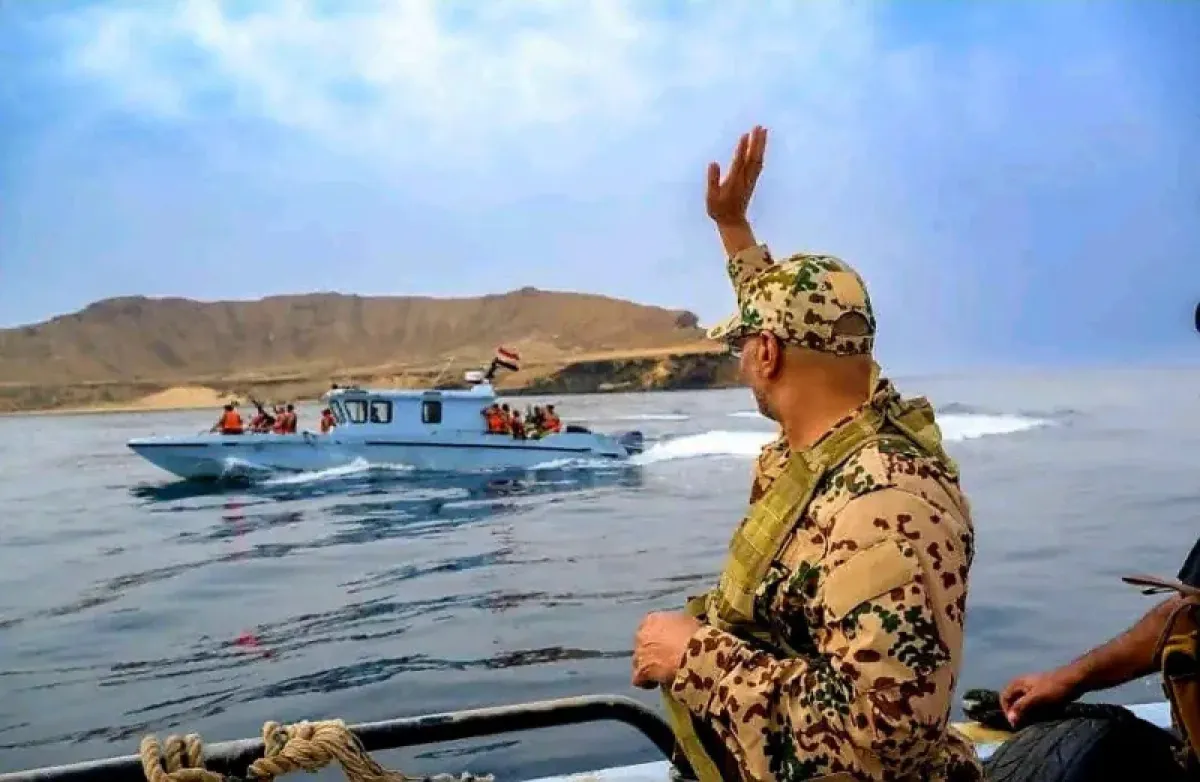
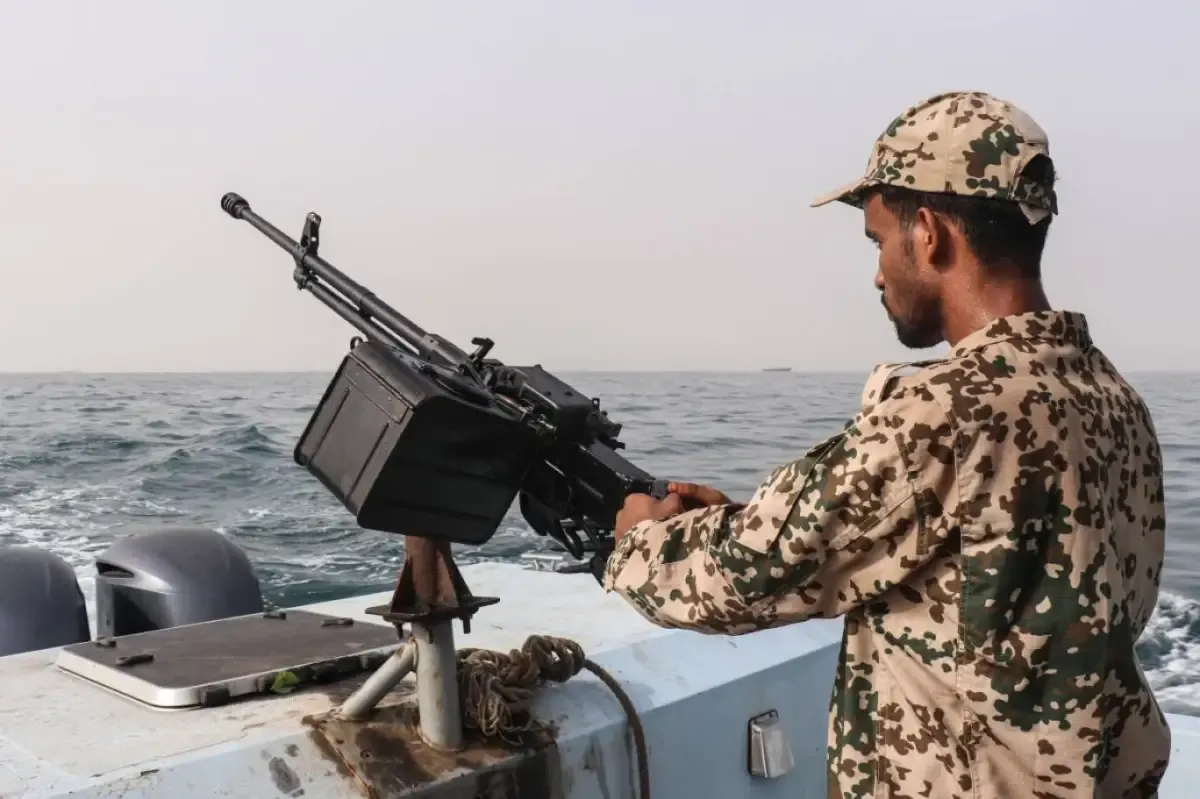
The Houthi declaration of a "blockade for a blockade" intended to compel Saudi Arabia to lift restrictions on ports and airports under Houthi control in northern Yemen. Initially, the militia announced a maritime navigation ban on the Saudi side, which later evolved into a broader oil blockade, involving attacks on vessels carrying Saudi oil through the Red Sea and Bab al-Mandab strait. This included claims of targeting two Saudi oil tankers, followed by assertions of striking Aramco facilities in Jizan and Yanbu with numerous ballistic missiles, cruise missiles, and drones.
However, observers have noted a clear decrease in the intensity and frequency of Houthi attacks against Saudi targets, both oil tankers and facilities. Despite claiming to have targeted eight Saudi oil tankers and prevented 48 others from passing in the first month of the escalation, subsequent public announcements have been minimal. The Houthi narrative also shifted, with official statements from military spokesperson Yahya Saree being replaced by brief posts on social media platforms, and later, by unattributed statements from a "military source" in Houthi media, devoid of the previous threatening language.
This reduction in offensive performance and communication is paralleled by a strategic shift. Approximately two weeks into the external escalation, the Houthis redirected their attacks inward, targeting liberated areas, particularly Marib and the western coast's Al-Khawkhah district. Analysts suggest this redirection reflects disappointment with the limited impact of their offensive against Saudi Arabia, indicating an attempt to leverage regional developments for political concessions from Riyadh on the Yemeni file.
The Houthi militia's current predicament, facing a second month of escalation without achieving its objectives, presents difficult choices. A full-scale escalation, either domestically or internationally, appears improbable given the militia's current strategic position, which complicates the options of further escalation, retrenchment, or maintaining the status quo. Continuing the current approach risks a military drain, particularly against internal frontlines.