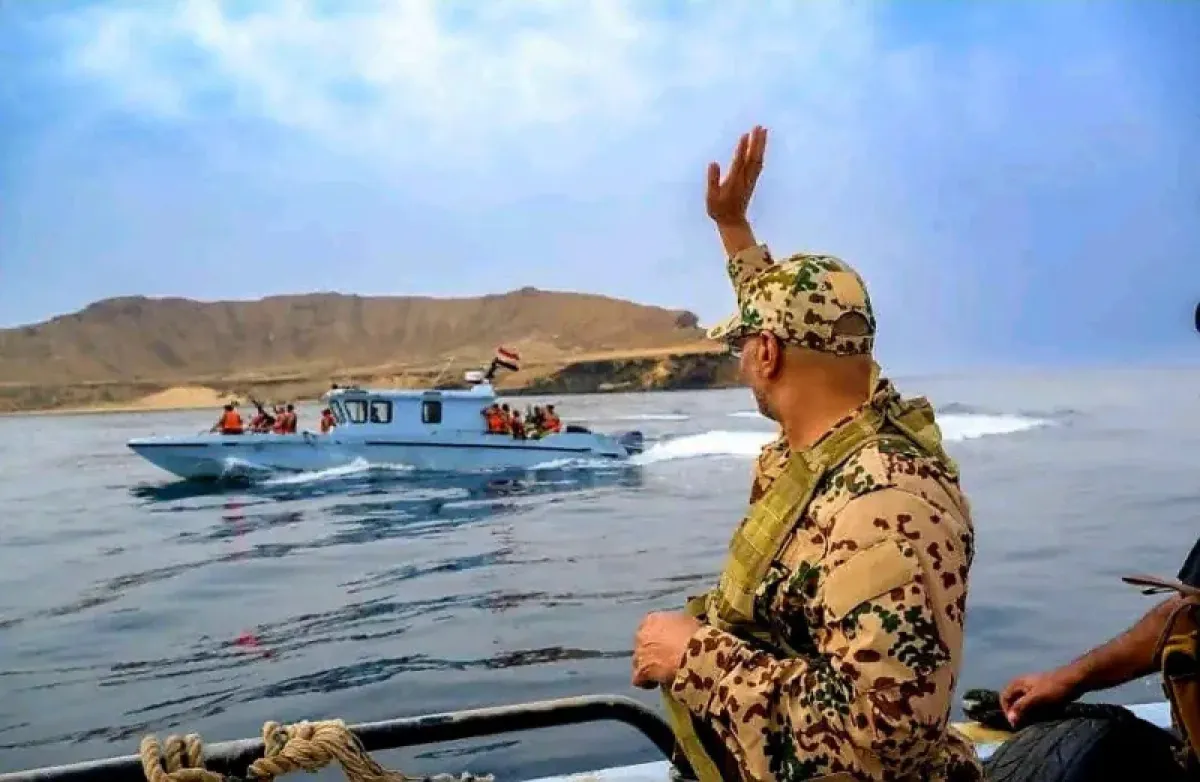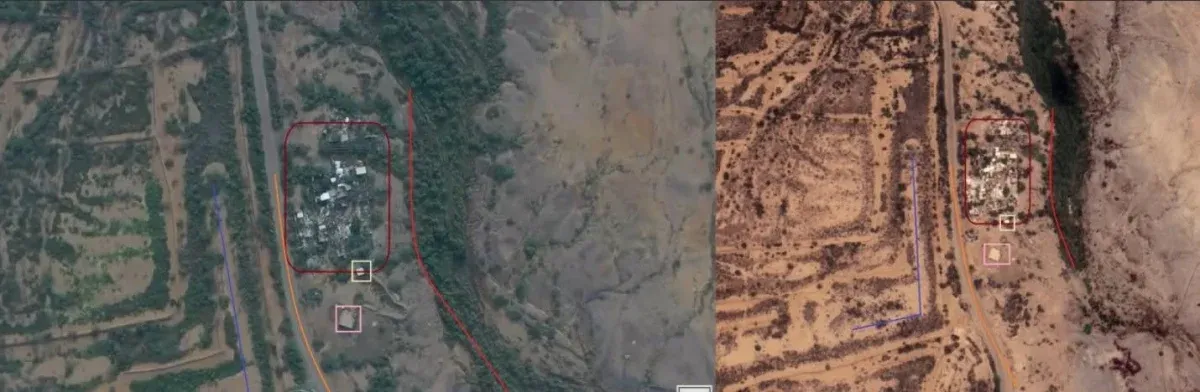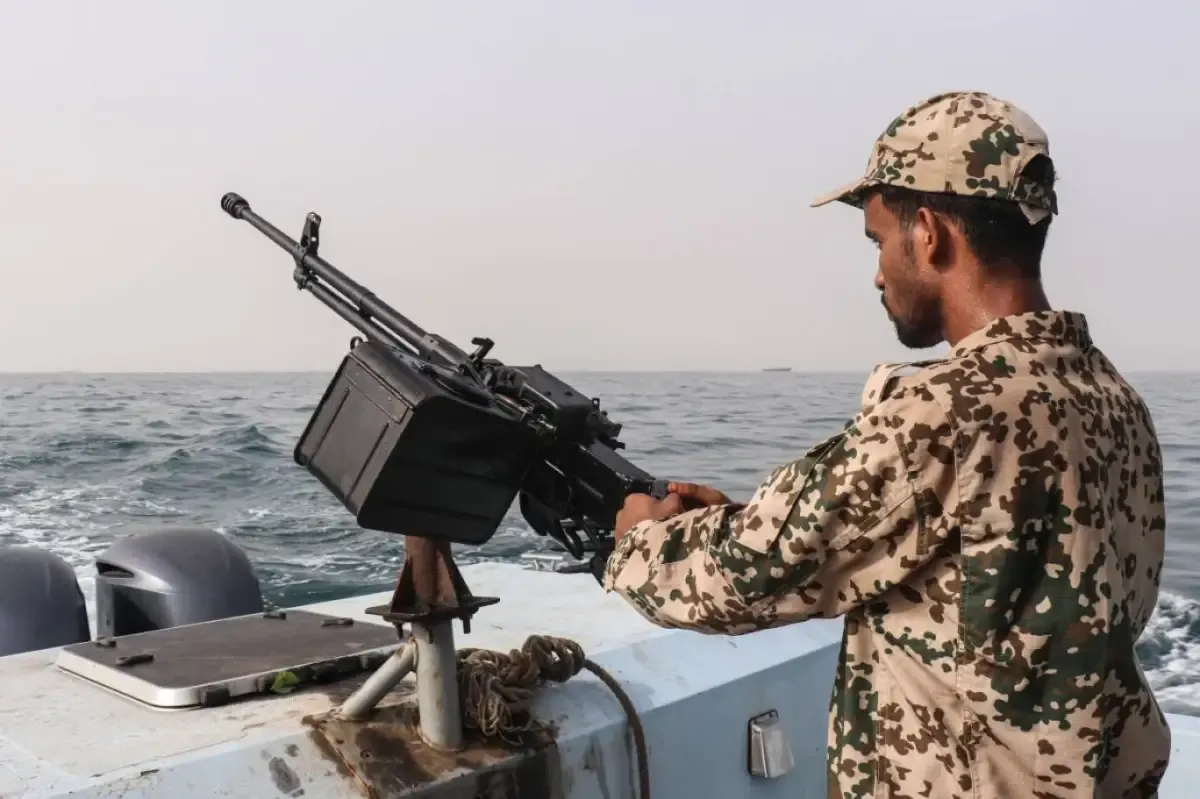
Yemen's maritime routes, once mere transit points, have become critical geopolitical flashpoints due to a confluence of escalating threats: the resurgence of piracy in the Gulf of Aden and intensified Houthi assaults on the western coast and Bab al-Mandab strait. This complex security landscape extends from Yemen's shores to the Red Sea, the Suez Canal, and global supply chains.
Dr. Abdulwahab Al-Auj, an academic at Taiz University and political analyst, highlights the danger lies not in individual threats but their potential convergence. This could stretch maritime security forces thin, responding to threats from both the Yemeni coast and the opposite shore of the Gulf of Aden, thereby increasing the cost of securing navigation. These concerns arise amidst alarming indicators of renewed piracy activity. On August 20th, pirates hijacked the oil tanker M.T. Sibu 1 approximately 136 nautical miles east of Mukalla, marking the sixth commercial vessel hijacked in the region since April 2026, according to the Associated Press. Three days prior, the vessel Lutuf was also seized.
Al-Auj argues that incidents near eastern Mukalla should not be viewed in isolation, particularly given their frequency. While traditional piracy thrives in areas with weak maritime oversight, its impact is amplified in a region already fraught with military and geopolitical tensions and populated by armed groups with diverse agendas. Recent developments confirm this is no longer a theoretical threat; Somali piracy has significantly re-emerged, extending its reach beyond Somali waters into the Gulf of Aden and the western Indian Ocean. This scenario posits that even without direct coordination, the mere simultaneity of threats can distract international forces and heighten risks for commercial shipping, making transit decisions more costly and perilous.
The repercussions of these developments extend beyond the safety of vessels and crews, rapidly impacting insurance, shipping rates, fuel costs, and supply chains. UNCTAD documented that rerouting ships away from the Suez Canal during the previous Red Sea crisis increased journey distances, transit times, and operational costs, while also affecting the reliability of supply chains. The Bab al-Mandab strait, identified by UNCTAD as a critical global maritime chokepoint, is vital for oil, gas, and maritime trade between the Indian Ocean and the Red Sea, with the Suez Canal serving as a crucial link between Europe and Asia.
Conversely, Al-Auj suggests that the Houthi project on the western coast should be assessed not solely by territorial control but by its capacity to influence the strategic function of maritime geography. The coastline from southern Hodeidah towards Mokha and Bab al-Mandab grants significant leverage over a vital global trade route. This introduces the concept of "proxy geography," where Iran can benefit from the Bab al-Mandab's importance through its Houthi allies' ability to threaten vessels or compel shipping companies to reassess their routes, even without direct control. While not necessarily indicative of direct Iranian orders for every attack, Houthi maritime escalation is situated within a broader regional context, particularly given the group's ties to Iran and rising regional tensions.
August witnessed notable Houthi escalation on the western coast, with missile and drone attacks on Mokha port halting its commercial and maritime operations, causing an estimated $16 million in damages and leaving approximately 1,300 workers jobless. Reports indicate over 25 missiles struck the port since August 9th, with attacks continuing in subsequent days. The escalation extended to Bab al-Mandab and the western coast on August 17th, with Houthi missile launches indicating a widening threat perimeter near one of the world's most sensitive maritime passages.
In this evolving dynamic, Mokha transforms from a coastal town into a pivotal point for Red Sea security. Its proximity to Bab al-Mandab means any attempt to weaken it or disrupt its port has implications extending beyond local geography, particularly if aimed at influencing maritime traffic or pressuring anti-Houthi forces on the western coast. Recent attacks confirm the port itself has become a direct military target, with damage to docks, facilities, and services supporting ship and cargo movement. Reports indicate attacks also affected residential areas and facilities near the port. Consequently, the battle for Mokha is not merely about defending a city or an economic facility but preventing the western coast from becoming a more effective platform for threatening navigation. However, deterrence requires more than just firepower; it necessitates an integrated system encompassing maritime intelligence, reconnaissance, coastal defense, drone and missile countermeasures, clear rules of engagement, and regional and international coordination.
From a strategic perspective, Al-Auj posits that maritime escalation yields gains for the Houthis and Iran beyond the Yemeni arena. Instead of confining the conflict to internal power struggles, it shifts the contest to a broader question: who possesses the capacity to influence Red Sea security? This repositioning allows the Houthis to project themselves as regional players, while providing Iran an additional leverage point in its regional and international disputes. This factor gains significance amidst escalating regional confrontations involving Iran, where sustained tension over maritime routes can enable Tehran to utilize proxy arenas to broaden pressure without direct engagement on every front. The risk lies in Yemen transforming from an internal conflict zone into a platform for a long-term geopolitical struggle, where maritime routes become tools of negotiation and pressure rather than mere commercial transit lines.
The security of Bab al-Mandab is intrinsically linked to that of the Suez Canal; the strait forms the southern gateway to the Red Sea, while the canal acts as the northern link to the Mediterranean. The previous Red Sea crisis underscored the sensitivity of this relationship. UNCTAD affirmed that navigation disruptions compelled shipping companies to alter routes towards the Cape of Good Hope, increasing distances, costs, and delays. Conversely, Suez Canal Authority data indicates improved navigation traffic in 2026, with 1,315 ships recorded and revenues rising compared to the previous year. In August, the authority announced CMA CGM had transited 199 ships through the canal year-to-date, emphasizing its commitment to increasing services. This improvement amplifies the importance of Bab al-Mandab's stability, as any new escalation could revert shipping calculations to square one. In response to these threats, the multinational maritime security coalition led by Saudi Arabia has emerged as a significant development in Red Sea security. On July 30th, Saudi Arabia and 13 other nations announced the formation of a multinational coalition to protect freedom of navigation, international trade, and energy supply lines in Bab al-Mandab, the Red Sea, and the Gulf of Aden. A more significant development occurred later when Riyadh announced that the coalition's third planning meeting included representatives from 39 countries, with 15 signing a joint statement and 13 completing national procedures to formally join the coalition's charter. A Saudi commander leads the coalition, with a Pakistani deputy commander. This initiative signals a move from political cooperation towards a more structured security framework involving information sharing, coordination, training, and enhanced operational readiness. However, the actual challenge lies not in the number of participating nations but in the coalition's ability to translate political consensus into tangible deterrence capabilities. Key questions remain regarding reconnaissance responsibilities, decision-making processes, rules of engagement, counter-drone and missile strategies, and the combined approach to piracy and smuggling.
According to Al-Auj's analysis, deterring threats at Bab al-Mandab requires a multi-layered approach. Firstly, Yemeni deterrence, involving the restoration of state capacity to monitor its coasts, ports, and territorial waters, and strengthening its navy, coast guard, and coastal defense. Secondly, regional deterrence, transforming the maritime coalition into an operational entity capable of information exchange, coordinated patrols, and rapid response to threats. Thirdly, international deterrence, safeguarding freedom of navigation, preventing the flow of weapons and military technology to groups threatening shipping, and applying political and economic pressure on entities supporting these capabilities. The equation thus becomes: a Yemeni state capable of securing its coast + an effective regional coalition + robust international support. Merely conducting naval patrols without addressing threat sources, or issuing political statements without the capacity for enforcement, would amount to crisis management rather than resolution. While piracy and Houthi attacks differ in nature, they converge strategically by escalating navigation risks. Pirates seek ransom, while armed groups employ maritime threats for political and military objectives. However, shipping companies prioritize the level of danger over attackers' motivations. Consequently, multiple threat sources can lead to increased insurance premiums, altered shipping routes, and higher transport costs, negatively impacting economies bordering the Red Sea, including Yemen itself. Maritime threats can also create an environment where distinguishing between isolated incidents and interconnected repercussions becomes difficult, thereby elevating the importance of maritime surveillance, intelligence, and information sharing.
Experience demonstrates that escorting vessels can mitigate risks but not eliminate the threat entirely. Naval power can provide escorts or intercept some attacks, but it cannot replace a coastal state's role in asserting sovereignty over its shores and ports. Therefore, any sustainable international strategy must combine navigation protection with addressing the root causes of threats, primarily by bolstering the Yemeni Coast Guard's capabilities, enhancing surveillance systems, securing ports and the western coast, and combating arms smuggling. Countering piracy in the Gulf of Aden necessitates addressing the security vacuums that enable its resurgence and strengthening cooperation between Yemen, Horn of Africa nations, and Red Sea littoral states. For Egypt, Bab al-Mandab is not a geographically distant issue; the Suez Canal relies on the consistent flow of ships from Asia and the Indian Ocean via the Gulf of Aden and Bab al-Mandab. Any prolonged disruption could prompt companies to adopt more costly alternative routes. UNCTAD data confirms that rerouting ships around the Cape of Good Hope increases distances and operational costs, while the Suez Canal Authority emphasizes that the Bab al-Mandab and Suez Canal route remains the most efficient path for East-West trade. Consequently, the security of Bab al-Mandab is a direct extension of the Suez Canal's economic security, making Egypt's role in any Red Sea security arrangements strategically significant.
The current phase requires not only preventing new attacks but also establishing a sustainable maritime security system. This system should integrate Yemeni capabilities, regional support, international presence, maritime intelligence, coastal surveillance, and the drying up of funding and armament sources, while clearly demarcating boundaries against any attempt to weaponize Bab al-Mandab for extortion. Fundamentally, restoring Yemeni state control over its coastline is the most critical factor; securing an international corridor permanently is challenging when an armed force outside state institutions possesses the capacity to use weapons and threaten navigation. Thus, ending maritime threats is inseparable from restoring sovereign state functions, as maritime security begins at the coast and extends to ships transiting the strait. Yemen's waterways currently face synchronized threats: returning piracy in the Gulf of Aden and escalating Houthi activity near Bab al-Mandab and the western coast, even as regional nations move towards establishing a collective maritime defense system. The greatest danger lies not necessarily in any single threat but in the potential for these risks to interact and coincide, transforming the Gulf of Aden and the Red Sea into a unified security theater with multiplying threat sources and escalating confrontation costs. The multinational maritime coalition represents a significant step in this equation, particularly as it transitions from declaration to institutional and operational implementation. However, it cannot substitute for building genuine Yemeni capacity to protect its coastlines or for addressing the root causes of threats. The conflict in Mokha and Bab al-Mandab is not merely a local Yemeni issue; the strait is an international chokepoint, and recent years have demonstrated that navigation disruptions there can redraw global trade routes and increase costs worldwide. UNCTAD underscores that over 80% of global merchandise trade by volume is transported by sea, making the security of maritime routes integral to global economic security.