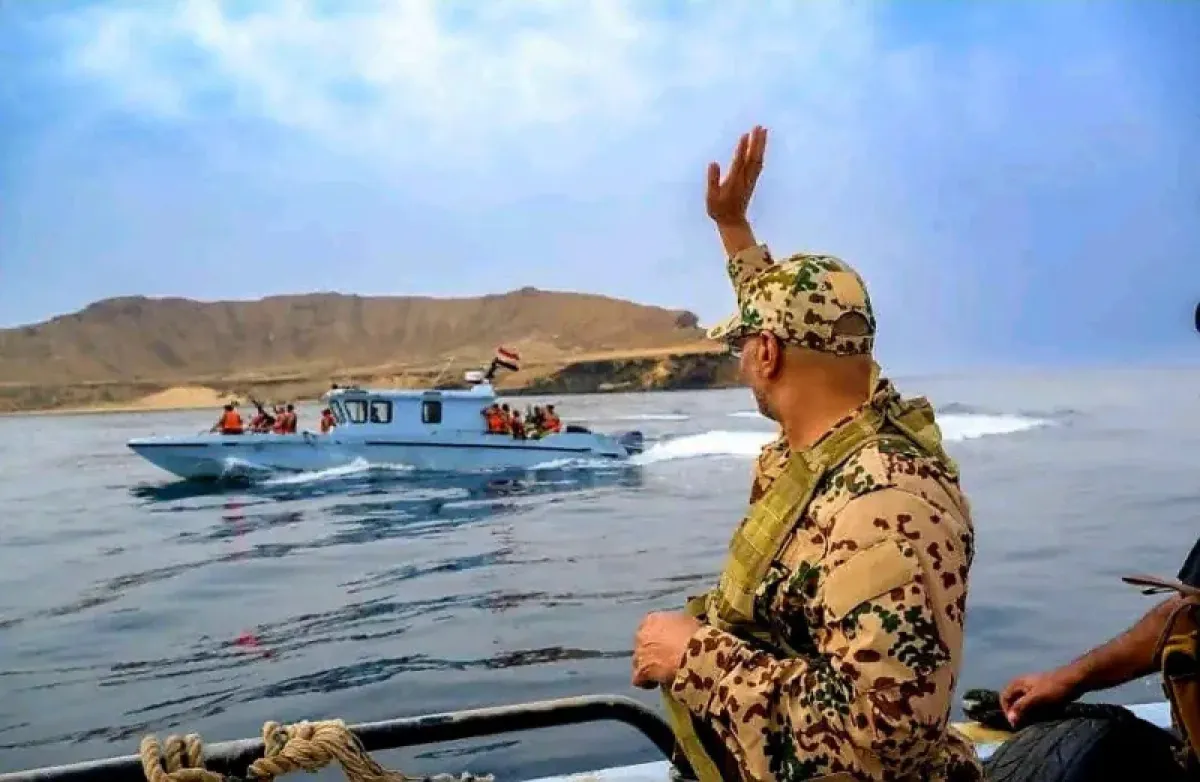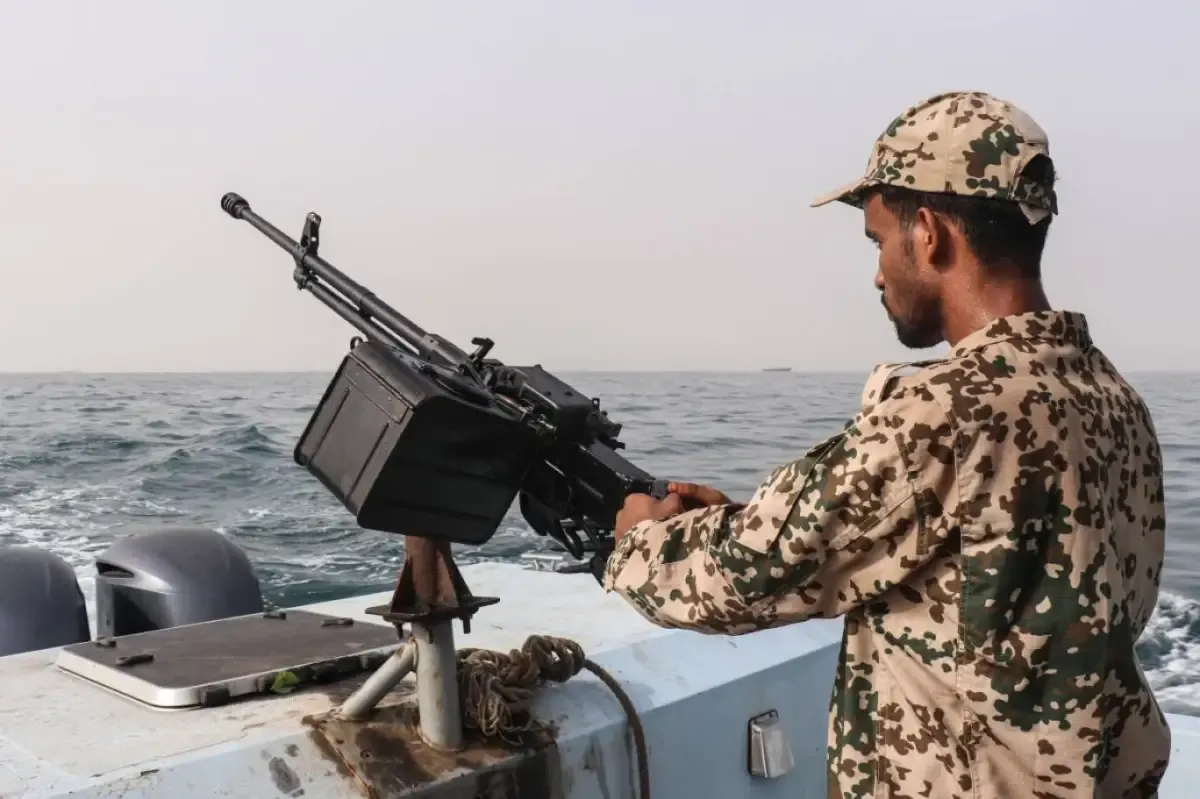
The resurgence of Somali piracy in the Gulf of Aden and Indian Ocean, coinciding with increased Houthi attacks in the Red Sea, signals potential collaboration between pirate networks and entities linked to Yemen, posing a new threat to a critical global maritime route.
International maritime security experts have noted evidence suggesting links between Somali pirates and the Houthis in ship targeting and hijacking operations, particularly following a rise in seizures near Yemen's coast. This comes amid the hijacking of the oil product tanker "Seabourn," flying the Eritrean flag, which was reportedly steered toward Somalia's coast. The vessel's background is significant, as the U.S. Treasury had previously sanctioned it in December for operating within a "shadow fleet" that allegedly aids Iran in circumventing oil sanctions. However, the vessel's sanction status alone does not confirm direct coordination between pirates and the Houthis, necessitating further intelligence gathering and investigation to establish the nature of their relationship.
According to security data cited in international reports, six armed individuals seized the "Seabourn" approximately 252 kilometers east of Mukalla before diverting its course toward the coast of Puntland. The tanker carried a crew of 20, including 16 Indians. This incident is not isolated; it marks the sixth commercial vessel hijacked by Somali pirates since April 21. Data from the International Maritime Bureau indicates at least 13 attacks off the Somali coast and in the Gulf of Aden this year, compared to only five throughout 2025.
These developments evoke memories of the peak Somali piracy wave between 2008 and 2014, which escalated into an international security crisis costing the global economy billions. Piracy significantly declined due to coordinated international naval operations and enhanced ship protection measures. However, experts suggest that the underlying factors of piracy persist due to Somalia's fragile security and economic conditions, making its resurgence possible when maritime surveillance weakens or international forces are diverted by other threats. Timothy Walker, a researcher at the Institute for Security Studies in Pretoria, stated that piracy is "always suppressed but never eradicated," underscoring the adaptability of criminal networks to reorganize under favorable circumstances.
The potential convergence of Houthi interests with pirate networks is a cause for concern, even without sufficient public evidence of joint command or direct agreements. Researcher Jay Bahadur expressed strong suspicions of links between the Houthis and recent hijackings, particularly given the seizure of an Iran-linked vessel like "Seabourn." Bahadur also noted local Yemeni support for Somali pirates, including networks involved in arms smuggling. This perspective gains importance considering existing cross-Red Sea criminal networks between Yemeni and Somali smuggling operations, encompassing arms and human trafficking. The sea separating Yemen and Somalia is thus evolving from a mere geographical passage into an area where interconnected illicit interests converge.
Experts interviewed by Reuters link the escalation of piracy to regional tensions stemming from the conflict with Iran. Two primary factors are cited: rising oil prices making oil tankers more attractive targets, and the diversion of maritime assets from anti-piracy efforts to the Strait of Hormuz and the Red Sea to counter Iranian and Houthi threats. This shift creates a security vacuum exploited by criminal groups. As international naval forces focus on new threats, the areas available for pirates to operate expand, particularly in geographically complex regions from the Gulf of Aden to the Arabian Sea and the Somali coast. The return of piracy concurrently with Houthi attacks complicates maritime navigation, as vessels now face a multifaceted threat landscape encompassing armed assaults, piracy, arms smuggling, organized crime, and geopolitical tensions.
Should targeting of Iran-linked tankers become a recurring pattern, other parties might exploit the maritime chaos for settling scores or financial gain. This could lead to increased insurance and shipping costs, intensifying pressure on shipping companies transiting the Gulf of Aden and Bab el-Mandeb Strait. In this context, the resurgence of piracy appears to be more than just a Somali criminal phenomenon; it could become integrated into a broader security crisis in the Red Sea and Gulf of Aden, especially if international attention remains focused on regional escalation. The most significant danger is the transformation of piracy, previously driven primarily by ransom demands, into a parallel security economy where the interests of pirates intersect with smuggling networks and armed groups, including Houthi-affiliated Yemeni factions. Consequently, the continuation of Houthi attacks and the rapid return of Somali piracy could usher in a new phase of maritime instability, threatening not only vessels but also the security of a vital global trade route and empowering organized crime networks to rebuild their influence.