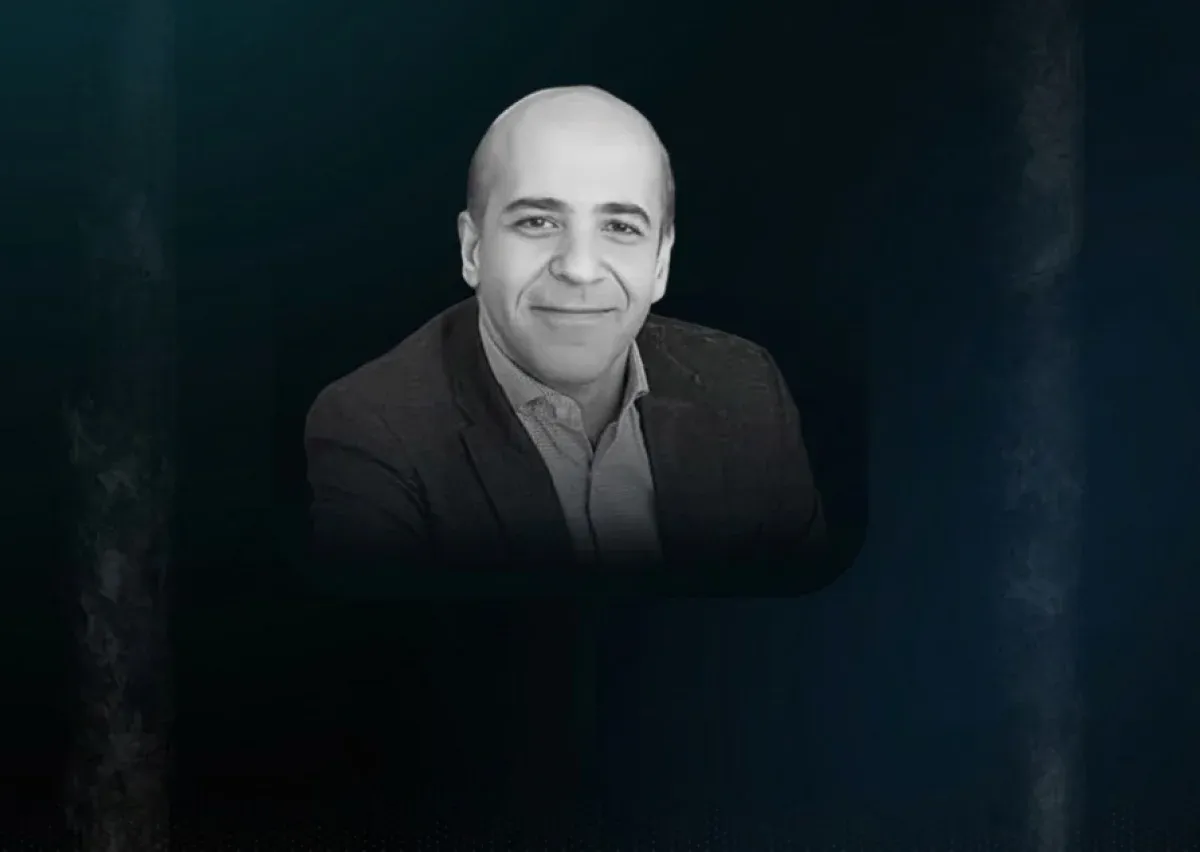
Houthi authorities are reportedly prosecuting Dr. Ali Al-Mudhahi, a health expert, based on interpretations of professional health terminology that have been recontextualized as security concerns. The defense team alleges that thousands of pages of documents, including professional correspondence and health-related materials, have been translated and then misinterpreted to create an extensive indictment file.
The Houthi militia has continued its investigation sessions with Dr. Al-Mudhahi, with recent sessions lasting approximately nine hours. During these interrogations, he was reportedly asked to respond to thousands of pages of documents and emails extracted from electronic devices seized from him. These materials include correspondence related to health projects, communications with organizations in the health sector, and exchanges with the Houthi Ministry of Health and officials involved in project implementation.
According to the defense, the sheer volume of the case file is largely due to the translation of original English documents and correspondence. They contend that errors in translation and understanding of common professional terms within the health and development sectors have led to these terms being used as suspicious indicators during the investigation. For instance, the defense cited the term "Communication Officer" being translated as "communications officer" and subsequently interpreted as related to intelligence work, despite its standard professional meaning referring to a role in communication and outreach.
Further examples provided by the defense include the interpretation of "Surveillance Unit" as an "intelligence monitoring unit," whereas in the health sector, it commonly refers to units for monitoring or tracking diseases and epidemics. The term "Confidential," meaning "secret" or "private" depending on context, has also reportedly become a point of inquiry, despite its widespread use in professional and academic correspondence containing restricted information. The defense highlights this as a key paradox, where terms integral to health and humanitarian work are being stripped of their professional context and imbued with security connotations.
Dr. Al-Mudhahi has also been questioned about the names and abbreviations of health programs and projects, including terms related to the minimum package of health services, which are standard in humanitarian and development work. The defense team has expressed concerns about the demanding timeline given to Dr. Al-Mudhahi to review the approximately 5,000-page file, noting that they were not permitted to photograph the file and only allowed to view it. This limitation, they argue, makes a thorough review and response extremely difficult. Lawyers have requested sufficient time for Dr. Al-Mudhahi to examine the file and access original English documents to clarify their professional contexts, especially as precise responses to disputed terms and translations cannot rely solely on memory.
The defense further claims that Dr. Al-Mudhahi has been answering questions based on memory despite suffering from vision impairment. Regarding vaccinations, his family, relaying information from his lawyer, stated that Dr. Al-Mudhahi affirmed his refusal to claim vaccines are harmful, even allegedly under duress and torture during his detention. He reportedly spoke of being coerced into making illogical statements and pressured to sign blank documents in exchange for reduced pressure and contact with his family.
These circumstances raise serious questions about the evidence underpinning the case, the accuracy of its translation and interpretation, and the potential for professional health and development terms to be arbitrarily reclassified as security threats. The defense argues that the issue extends beyond the file's size to the methodology of its construction and the interpretation of its contents, as well as the defendant's and his lawyers' ability to scrutinize and respond to the evidence. The defense team maintains that the ongoing proceedings, without proper access to the file and with disputed translations, raise concerns about Dr. Al-Mudhahi's right to a fair defense. The accusations against him require judicial proof, and allegations of torture and coercion necessitate an independent investigation. The conversion of health and development terminology into a security lexicon, if proven, could broaden the scope of suspicion to encompass any professional correspondence susceptible to reinterpretation outside its original context.