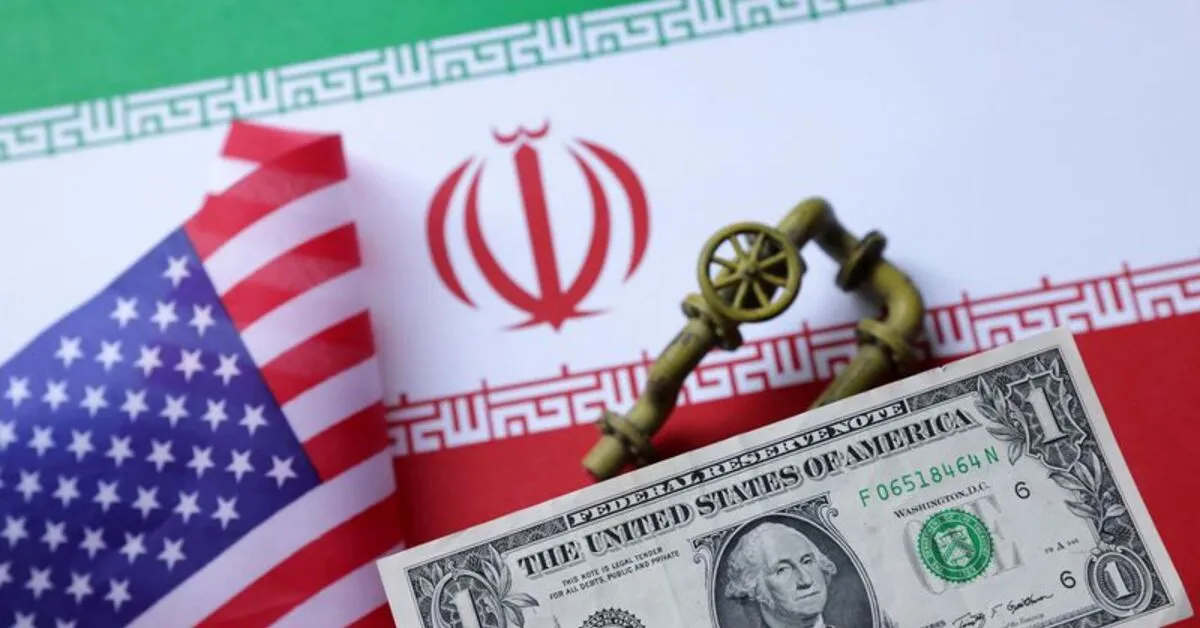
The six-month U.S. war against Iran has incurred costs of $38 billion to date, with projections indicating a monthly increase of $3 billion, according to a report by the Congressional Budget Office (CBO). The conflict, ongoing since February, has depleted U.S. munitions stockpiles and contributed to rising energy prices, exacerbating concerns about national defense readiness and the federal budget.
The CBO's accounting, which tallied expenses through August 1, also forecasts a 0.5% increase in inflation during the first three months of 2027 as a direct result of the war. This figure closely aligns with the $37.5 billion reported by Defense Secretary Pete Hegseth in a Senate hearing on July 21. The majority of the expenditures are attributed to the rapid drawdown of munitions, with estimates suggesting it could take five years to replenish U.S. stockpiles.
The Department of Defense's cooperation with congressional auditors was noted as limited by the CBO. White House spokesperson Anna Kelly described President Donald Trump's actions as "decisive" measures to protect U.S. personnel and interests, asserting that the military possesses "more than enough munitions, ammo, and stockpiles." Chief Pentagon spokesperson Sean Parnell contested claims of munitions shortages, stating the military has "everything required to strike at the time and place of the president’s choosing."
The cost inquiry was initiated at the request of Representative Brendan Boyle, the ranking Democrat on the House Budget Committee. Boyle stated, "Donald Trump’s disastrous war in Iran has already taken the lives of brave American servicemembers and left others wounded," adding that the CBO report highlights the significant financial burden on American taxpayers. Eighteen U.S. service members have died in the conflict. The report did not include costs associated with recent strikes on commercial vessels in the Strait of Hormuz or attacks on U.S. military installations, nor did it factor in borrowing expenses for war financing.
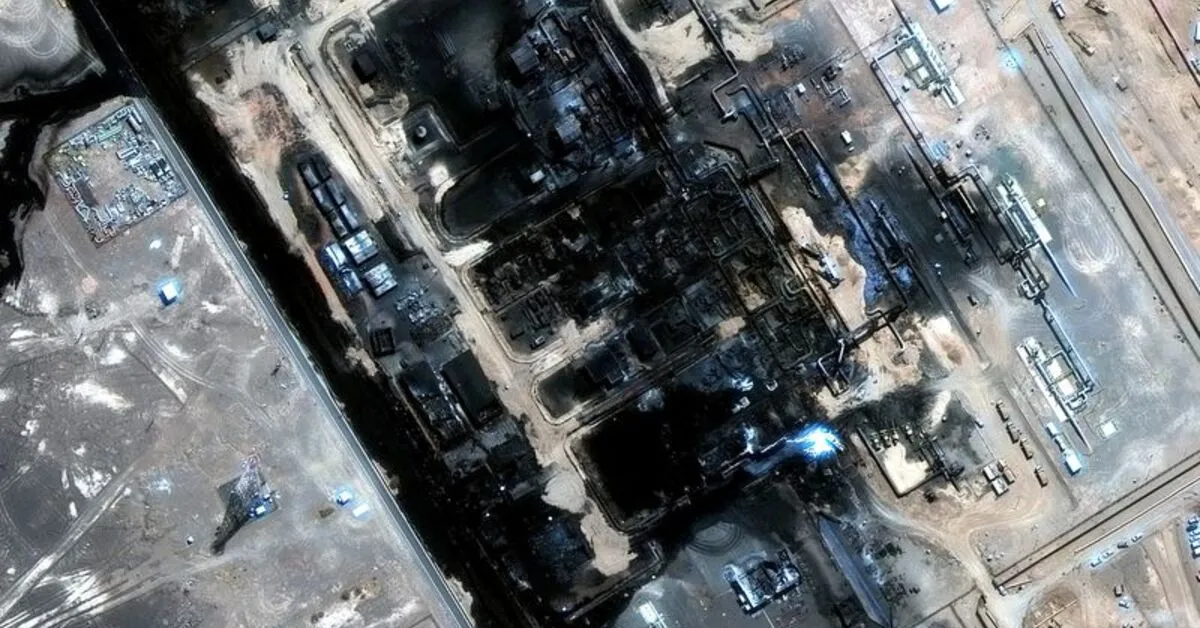
The CBO report also outlined potential broader consequences for U.S. defense posture and the economy. Deficits in critical munitions, such as missile interceptors, could impede the Pentagon's response capacity in the event of other major conflicts. At a July hearing, Secretary Hegseth requested nearly $90 billion in emergency funding to restock munitions, warning of "critical shortfalls." An inspector general report indicated that Iran had damaged or destroyed hundreds of buildings and aircraft on U.S. bases in the Middle East.
Energy price shocks resulting from attacks in the Strait of Hormuz and on energy facilities in neighboring Gulf countries have significantly increased costs for consumers and global producers. The escalating war expenses also pose a threat to the U.S. fiscal health, with the nation's total public debt surpassing $40 trillion in August. These costs are contrasted with the significantly higher expenditures of the U.S. wars in Iraq ($2 trillion) and Afghanistan ($2.3 trillion).