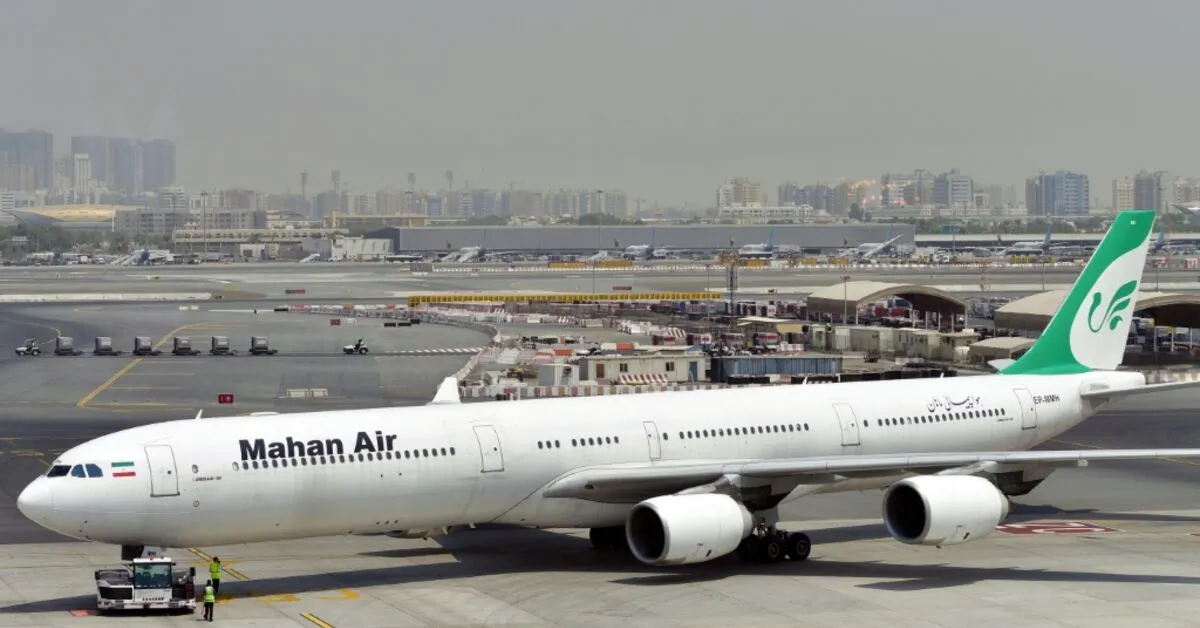
Iran is awaiting an official response from the United States regarding its proposal to reopen the Strait of Hormuz and de-escalate regional conflicts, following a report by The Wall Street Journal indicating that U.S. President Donald Trump has rejected the initiative.
The diplomatic proposal was presented at the United Nations General Assembly in New York, with Iran asserting that it was conveyed to U.S. officials via Qatari mediators. The plan, if accepted, could reportedly reopen the strategic waterway and cease regional hostilities within seven days. Iran also engaged with its regional rival, Saudi Arabia, concerning the strait, highlighting the significant impact of a seven-month conflict that has disrupted oil flows and affected the global economy.
Iranian Foreign Minister Abbas Araqchi stated that the proposed deal would initiate a seven-day countdown to reopening the Strait of Hormuz and pausing regional fighting. He added that if the U.S. demonstrates seriousness in reaching an agreement, all necessary preparations are in place. Wider discussions on mutually agreed subjects could follow, potentially including Iran's nuclear program. However, a senior Iranian official indicated that Iran would maintain its stance on its nuclear program, including uranium enrichment and export, regardless of the U.S. acceptance of the peace deal.
The Iranian proposal reportedly requires the U.S. to lift its blockade on Iranian ports, release frozen Iranian assets, and waive oil sanctions. While a U.S. official had previously described discussions through mediators as "positive and constructive," The Wall Street Journal report suggested that President Trump expressed private skepticism about Iran's commitment and informed his staff that a renewed bombing campaign was a likely outcome. Reuters has not yet independently verified this report.
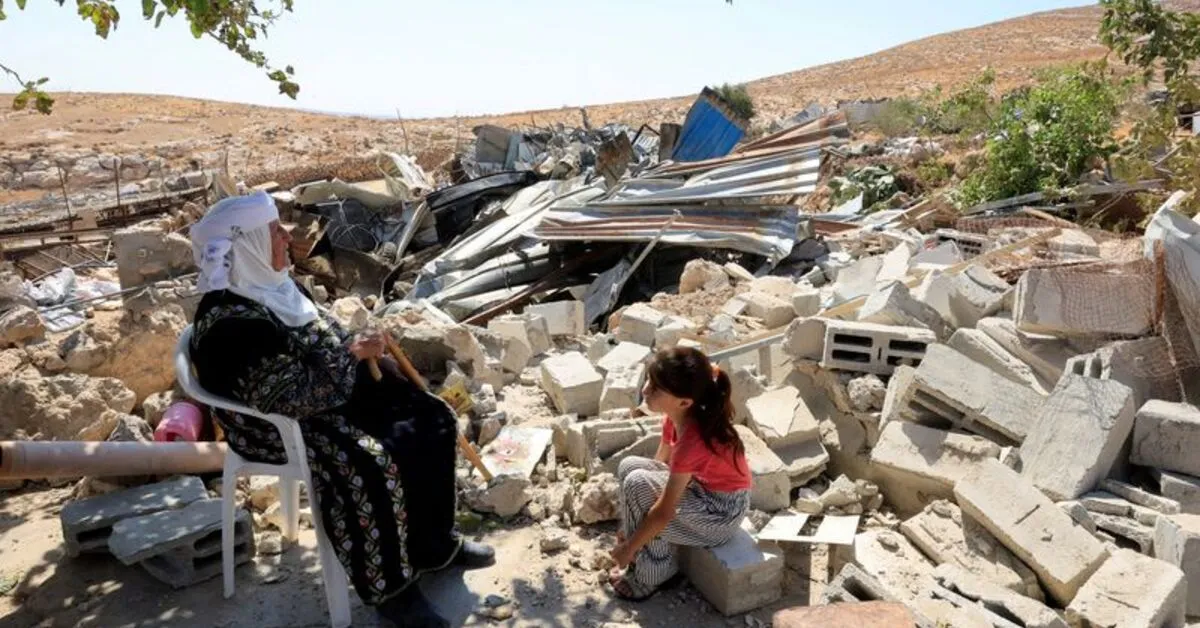
Previous diplomatic efforts have failed to resolve the ongoing conflict, which began with U.S. and Israeli attacks. The hostilities have resulted in thousands of casualties, degraded Iran's conventional forces, and damaged its economy. Iran and its allies have responded by extending the conflict regionally, with Iran and its Houthi allies in Yemen targeting Saudi interests, and Iranian-aligned militias in Iraq implicated in pipeline attacks. Hezbollah, supported by Iran, has also engaged Israeli forces in Lebanon.
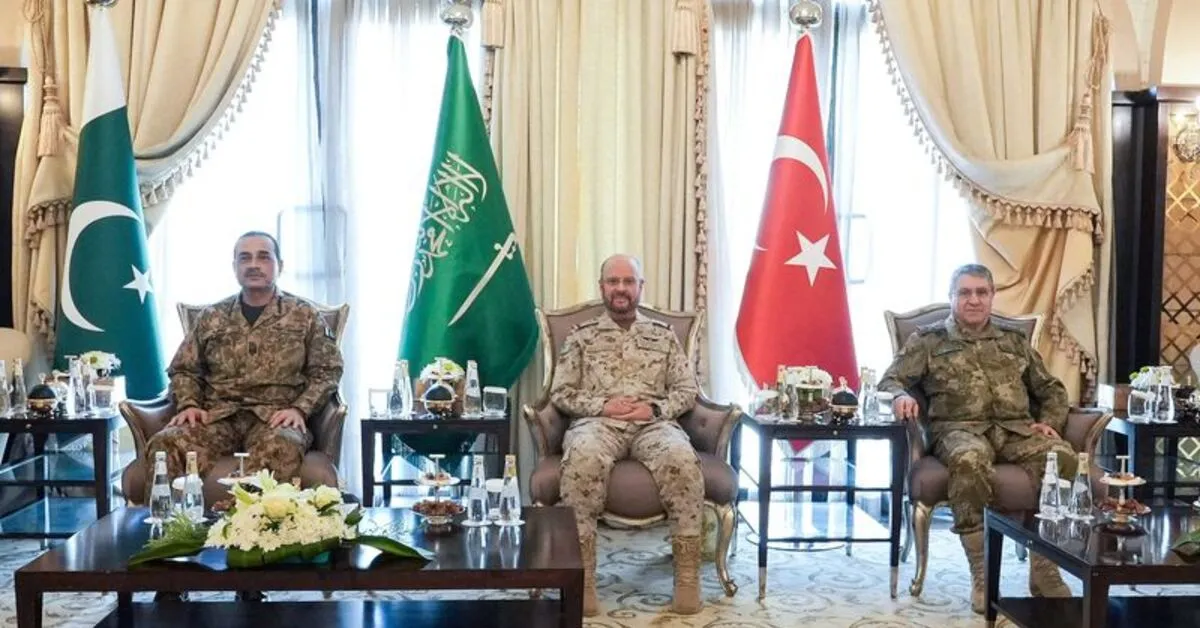
In parallel, Iran's Foreign Ministry reported that Foreign Minister Araqchi briefed his Saudi counterpart, Prince Faisal bin Farhan, on understandings between Iran and Oman regarding safe shipping routes in the Strait of Hormuz. The widening impact of the conflict has also led to increased support for Saudi Arabia's defenses from its allies. Saudi Arabia's coalition announced the interception of two drones and a ballistic missile launched by Houthi forces towards Saudi territory. The violence in Yemen has exacerbated a humanitarian crisis, with UNICEF reporting a rise in acute malnutrition among children.