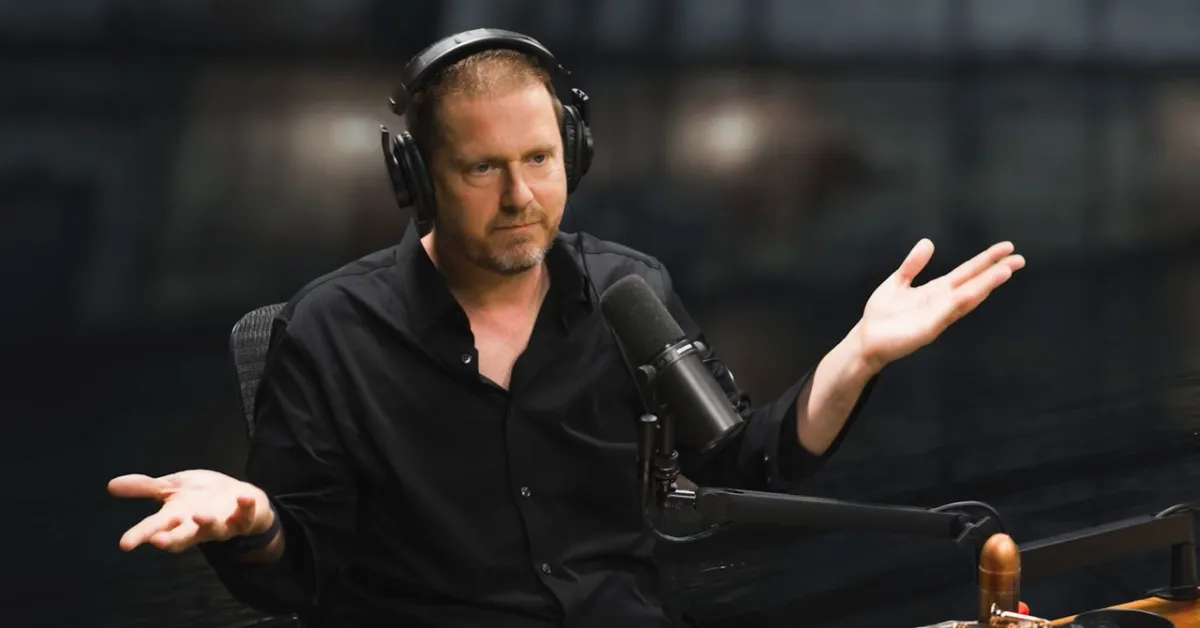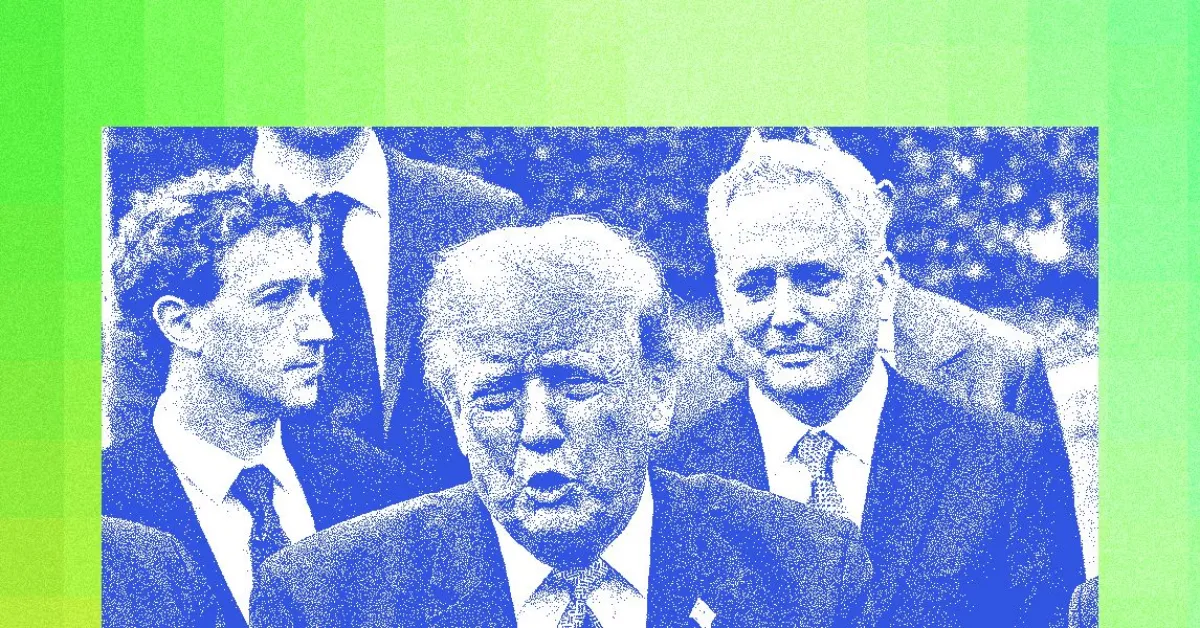
Tech leaders recently met with Donald Trump, agreeing to a "morally binding" AI accord that essentially calls for self-regulation among AI labs. This week, the Uncanny Valley podcast crew broke down the implications of this voluntary agreement. They also explored OpenAI's latest move into AI agents, designed for everyday users, and examined the growing presence of extremist candidates on the political ballot.
The White House summit brought together executives from major AI companies, resulting in an accord where firms pledged to implement internal evaluations, outside audits, and board reviews for their AI models. However, the voluntary nature of this agreement has raised questions about its effectiveness, especially given the tech industry's push for growth and the White House's apparent desire to project control ahead of the midterm elections.
OpenAI's Developer Day introduced "Dots," their new AI agents aimed at the general public. These agents can interact through platforms like ChatGPT and Slack, performing online tasks for users. While designed to be user-friendly and even "adorable," the discussion highlighted a significant trade-off: increased utility requires sharing substantial personal information, raising privacy concerns. This move puts pressure on competitors like Anthropic to release similar innovations soon.
Beyond the tech world, the podcast delved into the political landscape, noting the concerning rise of extremist candidates. WIRED reporting uncovered hundreds of Republican candidates espousing hateful ideologies, sharing racist comments, and maintaining ties to white supremacist and antisemitic figures. Examples like Bo French in Texas, who faces criticism for racist remarks, and Brandon Herrera, a "gun tuber" endorsed by Trump running in the Uvalde district, underscore the normalization of extreme viewpoints in politics.
The conversation also touched on the integration of AI into the workplace. While some see AI agents as potential colleagues, the discussion emphasized the difference between a tool and a coworker. The potential for AI to dehumanize work environments and reduce human error detection was highlighted, with a BCG study showing managers catching fewer mistakes when work was attributed to an AI employee versus an AI tool. This raises questions about how we should interact with these increasingly sophisticated technologies.
Finally, the podcast's signature "WIRED/TIRED" segment covered Bose's re-entry into wired headphones, a nod to simpler tech times, as WIRED. On the TIRED side, the hosts decried the public behavior of highly paid AI leaders on platforms like X, specifically calling out Meta's Alexandr Wang for his "jokey, lame, sexual stuff." They also celebrated a WIRED article titled "Why No One Wants to Date Tech Bros," signaling a cultural shift away from "tech bro" culture.