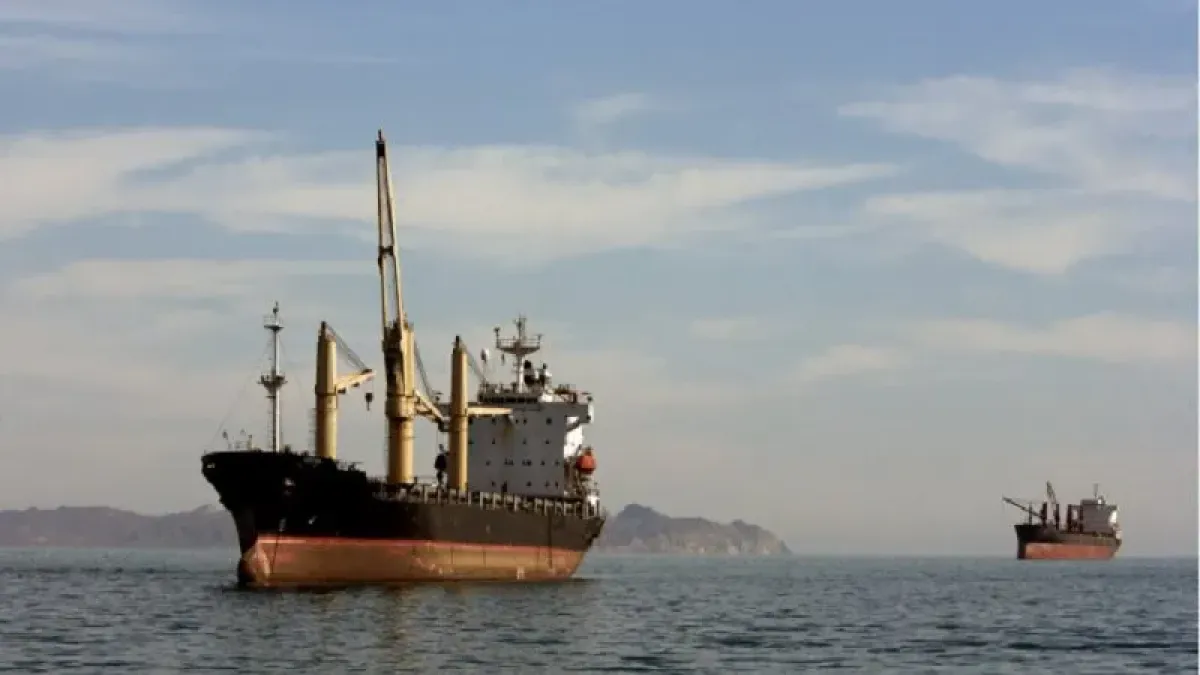
Tensions in the Strait of Hormuz are escalating, mirroring stalled diplomatic efforts between the United States and Iran, as maritime attacks continue to threaten international navigation and energy supplies.
India reported on Tuesday that 12 crew members of a Panama-flagged oil tanker were injured when a projectile struck the vessel as it transited the Strait of Hormuz off the coast of Oman. The Indian Ministry of External Affairs stated that the tanker, MT Unipac, was carrying 19 individuals, 17 of whom were Indian nationals. The injured have been transferred for medical treatment. While New Delhi did not identify the perpetrator, it condemned the attack and expressed grave concern over continuing assaults on maritime traffic, calling for their immediate cessation to ensure regional security and stability.
This latest incident underscores the heightened maritime risks in the Strait, a crucial chokepoint for approximately 20% of global oil and liquefied natural gas supplies. Recent data indicates seven attacks on tankers occurred in the first week of October alone. The persistent targeting of vessels, despite diplomatic overtures, exposes the fragility of existing security arrangements in the Strait, increasing insurance and shipping costs and exerting pressure on global energy markets.
On the diplomatic front, Qatar has confirmed ongoing communications between the United States and Iran, facilitated by intermediaries, in an attempt to break the impasse and de-escalate tensions. The Qatari Ministry of Foreign Affairs spokesperson, Ibrahim Al-Hashimi, stated that dialogue and message exchanges are continuing through Qatar and its regional partners. The Emir of Qatar, Sheikh Tamim bin Hamad Al Thani, met with Iranian Interior Minister Abdolreza Rahmani Fazli in Doha. However, these continued communications have not yielded a political breakthrough, as Washington and Tehran remain divided on core issues, including the future of the Strait of Hormuz, sanctions, and Iran's nuclear program. Tehran has also indicated that reopening the Strait is contingent upon specific conditions being met in prior understandings with the United States.
The maritime escalation coincides with increasing economic pressure on Iran. U.S. Treasury Secretary Scott Bessent reported that Iran did not load any crude oil onto tankers in September, attributing this to the economic pressure campaign by the Trump administration. Economic data suggests Iranian oil exports have fallen to zero, while other Gulf nations have largely resumed their export flows despite navigation disruptions. Internally, Iran's oil minister resigned amid mounting pressures on the energy sector, as Tehran faces extensive restrictions on its ability to export oil and access its revenues.
The impact of the confrontation extends beyond the Strait of Hormuz, with Iranian tensions reverberating across other maritime routes in the region, including the Red Sea and the Bab el-Mandeb Strait, amid ongoing escalations linked to Iran-backed Houthi forces in Yemen. Recent developments indicate that the security of maritime corridors has become an integral component of the broader conflict, where economic and military pressures intersect with de-escalation negotiations. While Qatari mediation endeavors to keep the channels of dialogue open, the continuation of attacks on shipping and the rigid stance on conditions for reopening Hormuz present a significant challenge to the political path forward.