Recent military operations along the West Coast have significantly altered the dynamics of the conflict in Taiz, shifting momentum in favor of defending forces and presenting new challenges for Houthi rebels. The recapture of strategic areas near Bab al-Mandab and Dhubab, coupled with the severing of key supply routes, has created a more complex battlefield for the Houthi movement.
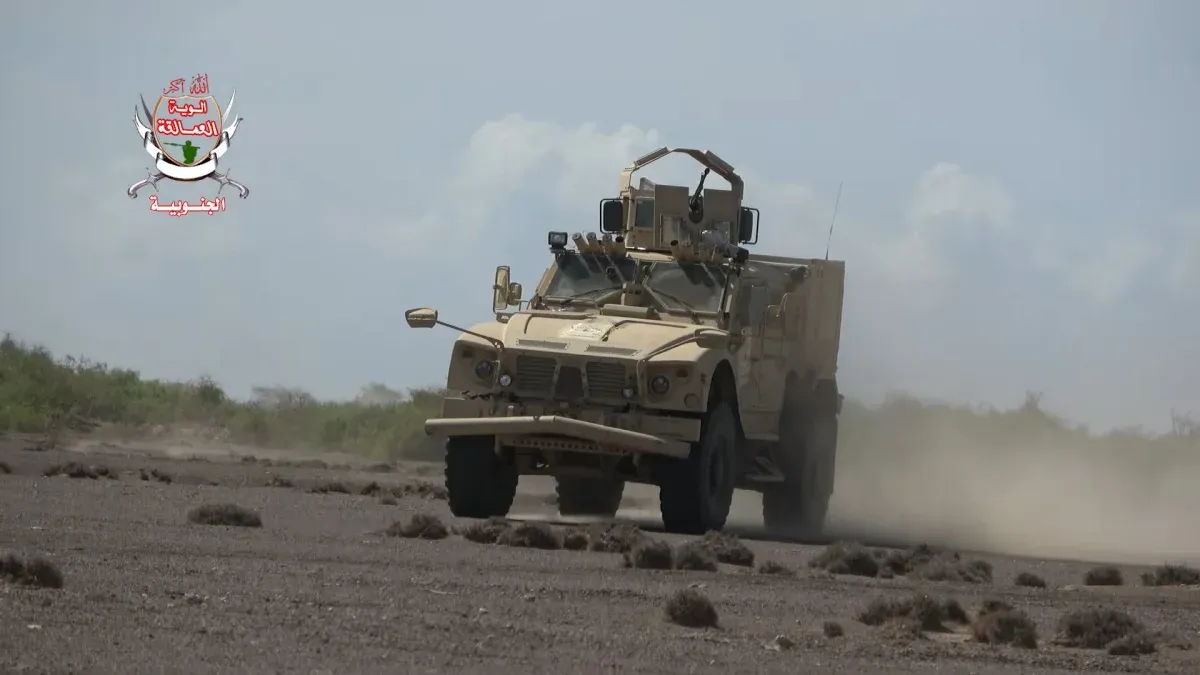
Joint military forces, including the Southern Giants Brigades, the Dhur' al-Watan forces, and the Tihamah Resistance, supported by popular resistance and air cover, launched a flanking operation targeting strategic locations in the West Coast, particularly around Bab al-Mandab and Dhubab. This offensive successfully secured several key sites and cut off the road linking Dhubab and Mokha, following intense clashes with Houthi militias. These developments are crucial for Taiz, as the conflict now extends beyond isolated military positions to encompass vital transportation networks and strategic zones that could impede Houthi reinforcement and troop redistribution between the coast and the southern and western rural areas of the province.
The Houthi attempt to leverage military pressure across various Taiz fronts to expand their control appears to have been countered by the rapid advancements on the West Coast. The capture of strategic areas near Bab al-Mandab, Dhubab, and the outskirts of Mokha by government forces and their allies has fundamentally changed the battlefield in southwestern Taiz. Official military reports indicate that these operations included the disruption of supply lines and the pursuit of Houthi elements, with some reportedly fleeing. This synchronized pressure from multiple directions is impacting Houthi positions.
The shift in the conflict's momentum has reportedly boosted the morale of Taiz's defending forces and resistance fighters, according to field sources and political commentary. Concurrently, confrontations have intensified in the province's rural areas, including Quds, Jabal Habashi, Al-Uroosh, Al-Bireen, and the Al-Hujariyah fronts. Local observers emphasize that the significance of the coastal victories extends beyond morale, potentially serving as a pressure point on Houthi movement and supply lines, particularly if operations continue towards areas bordering Taiz and are synchronized with activity on other provincial fronts.
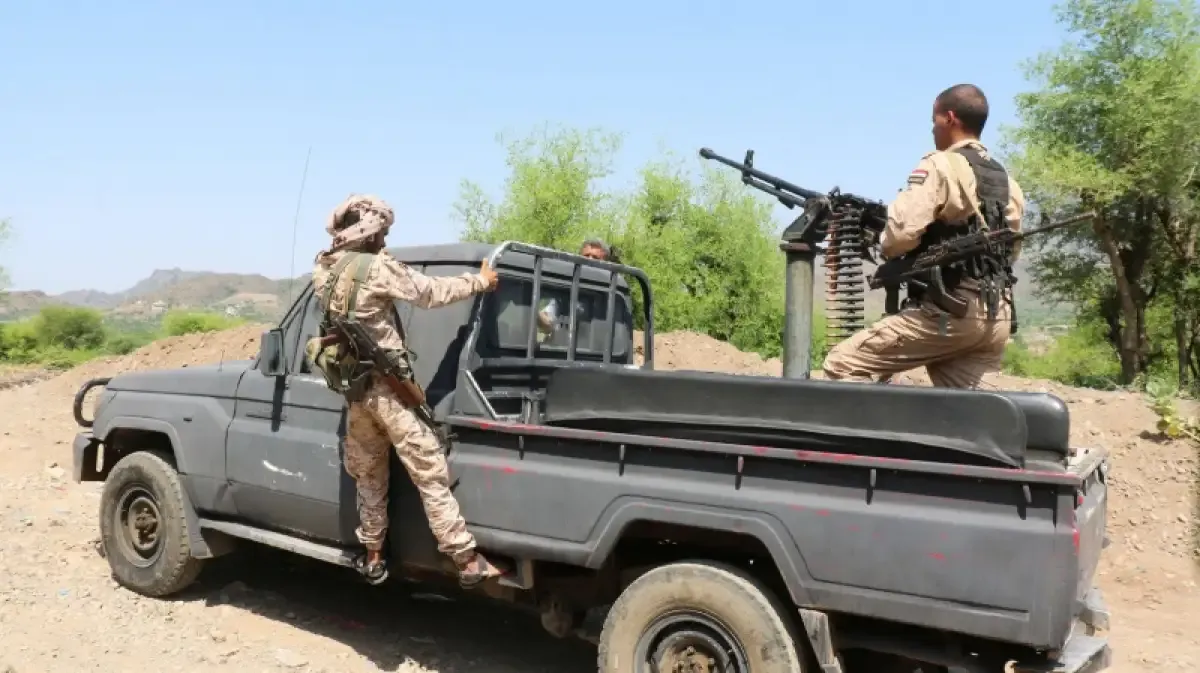
In the Quds district, fierce clashes have erupted around Jabal Matran following Houthi reinforcements and attempts to establish new positions. The strategic importance of Jabal Matran for the Houthis lies in its elevated position, potentially serving as a hub for movement and supply towards southern and eastern Taiz, including Haifan and Al-Rada'ah. Forces from the 35th Armored Brigade and popular resistance are engaged in confrontations in the Quds axis, striving to prevent the Houthis from consolidating new strongholds that could serve as bases for controlling the southern countryside. This mountainous front requires substantial military support, as control of high ground offers a significant advantage in surveillance and troop deployment.
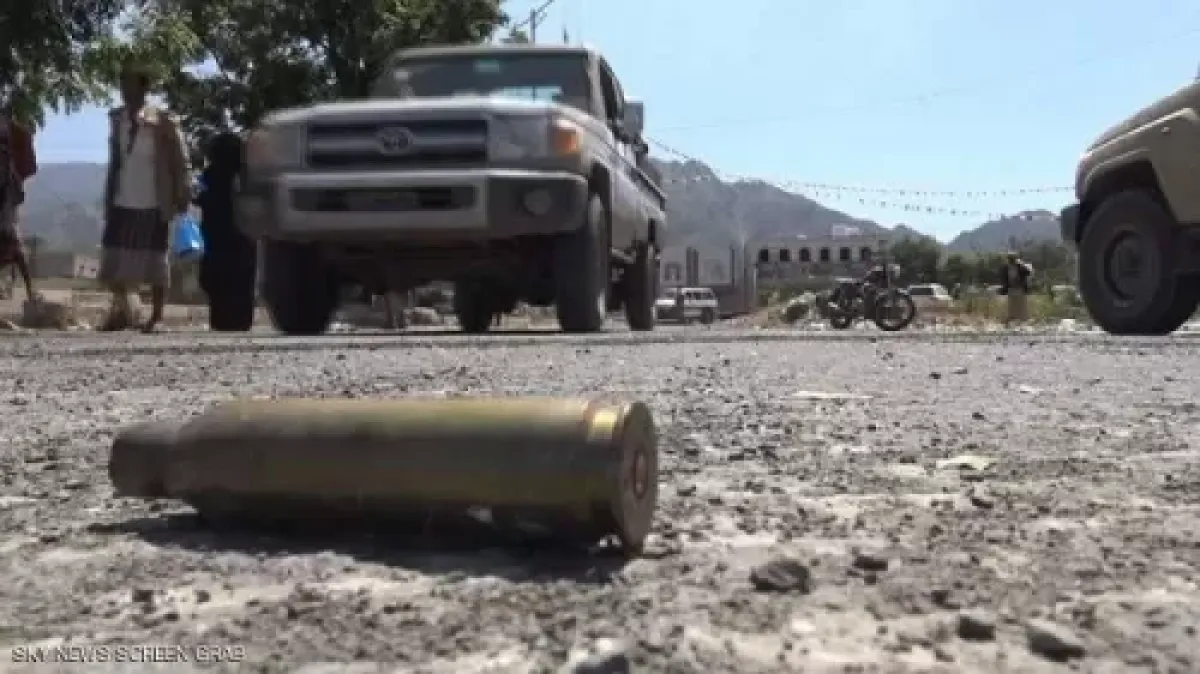
Sources in the Sam'a front and Al-Hajariyah areas report a state of disarray among Houthi ranks amidst mounting pressure on multiple fronts. Local sources observed approximately ten Houthi military vehicles, laden with armed personnel, moving from the Al-Ahad market area in Al-Shu'bah towards Quds. Other reports indicate Houthi movements through Al-Za'za' towards Bani Muhammad and Al-Safiyah, following the closure of routes towards Rasin and Al-Waze'iyah. While independent verification of all details remains challenging, the concurrent escalation of fighting highlights the difficulties Houthi forces face in maneuvering within the complex mountainous terrain, especially those unfamiliar with the region. Local forces and resistance fighters leverage their knowledge of mountain paths and routes to set ambushes, while Houthis are compelled to rely on limited and more vulnerable supply lines.
In Jabal Habashi, field reports indicate advances by government forces in several locations, accompanied by accounts of Houthi withdrawal from their positions. In Al-Bireen, Houthi vehicles were reportedly targeted, resulting in casualties. In the Al-Uroosh front, operations allegedly led to the recapture of positions, the destruction of a combat vehicle, and the seizure of a Houthi vehicle. Furthermore, drone strikes attributed to the Taiz axis reportedly targeted a Houthi vehicle carrying a 23mm cannon and armed personnel on the city's western front, resulting in the vehicle's destruction and casualties among its occupants. These developments are part of a broader military campaign announced by the armed forces, dubbed "Dawn of Yemen," which has targeted Houthi positions, movements, and supply lines across several provinces, including Taiz.
A significant strategic shift has occurred as the conflict on the West Coast is no longer isolated from the battle for Taiz. The proximity of Mokha, Bab al-Mandab, and Dhubab places these areas at the nexus of Taiz's strategic considerations and the security of the coast and maritime passages. Political analyst Khaled Salman posits that the rapid progress on the West Coast raises questions about the next strategic move: whether to focus on alleviating pressure on Taiz or to advance towards Hodeidah. He suggests that both options carry distinct implications, with a push towards Taiz reinforcing the narrative of state restoration and expanded ground operations, while a move towards Hodeidah would align with the strategic importance of the West Coast and international interests in the Red Sea. Salman further argues that recent victories undermine the Houthi image of resilience against organized forces, prompting reevaluation of Houthi-controlled territories and their supply dependencies. The capture of Mokha, following advances in Dhubab and Bab al-Mandab and the severing of the road between them, exemplifies a sequential and strategically significant progress along the vital coastal axis.
In a political analysis, Minister of Social Affairs and Labor Mokhtar Al-Yafai stated that the ongoing events on the Al-Subayhah and West Coast fronts reflect the southern forces' ability to regain cohesion during confrontations. He emphasized that unity and fighters rallying around a common objective are key factors in achieving military progress. Al-Yafai linked the West Coast victories to the potential for momentum to shift to other fronts, anticipating that current developments will catalyze broader movements in Taiz, Marib, and Jawf, and potentially extend operations to other Houthi-controlled areas. Aidroos Al-Subaihi echoed this sentiment, noting the immediate positive impact of the West Coast victories on the morale of fighters in Taiz, attributing the significant shift in fighting spirit across various fronts directly to the successes of the Southern Giants Brigades. While these assessments carry political and military optimism, the ongoing field developments indicate that the battle for Taiz remains dynamic, and the prospect of these coastal gains translating into the full liberation of the province hinges on future battlefield outcomes.