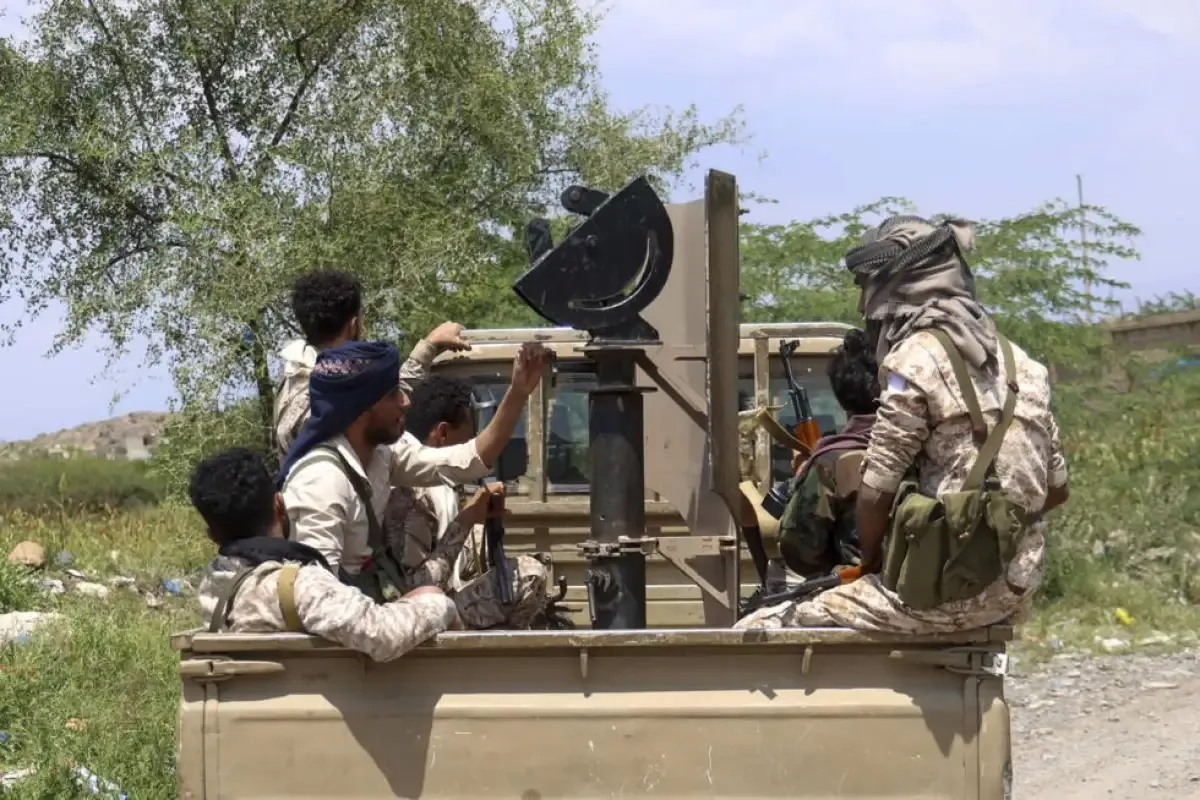
Intensified military escalation in Yemen's Taiz province is severely impacting civilian life, jeopardizing educational institutions and forcing families to flee their homes amidst fears of expanding conflict zones.
The escalating military actions in Taiz province are no longer confined to front lines, significantly disrupting the daily lives of residents. This includes daily commutes and children's attempts to return to schools at the start of the academic year. Concerns are mounting over the potential expansion of clashes towards populated areas and civilian facilities. In a city already devastated by years of war and blockade, the resumption of schooling presents a new challenge to the community's resilience amidst the ongoing conflict. Families fear for their children's safety, educators strive to maintain academic continuity, and displaced individuals grapple with the loss of their homes and livelihoods, deepening anxieties that a new generation may be deprived of education and stability.
Schools in Taiz are under significant threat. The proximity of some educational facilities to active conflict zones makes the continuity of classes highly dependent on daily security developments. The sounds of explosions and clashes force families into a difficult choice: how to ensure their children receive an education without exposing them to grave danger. The resumption of classes in three districts of Taiz city—Al-Qahirah, Al-Mudhaffar, and Sala—on October 6th has brought this challenge to the forefront. The decision to reopen schools, made after assessing current conditions, emphasized the necessity of implementing safety measures and closely monitoring any security developments that might necessitate extraordinary actions. However, students returning to classrooms do not signify an end to the surrounding risks, particularly in areas near the front lines. Educational institutions require a stable environment, safe access routes, and the capacity for rapid emergency response—conditions that are difficult to guarantee in a province with continuously active fronts.
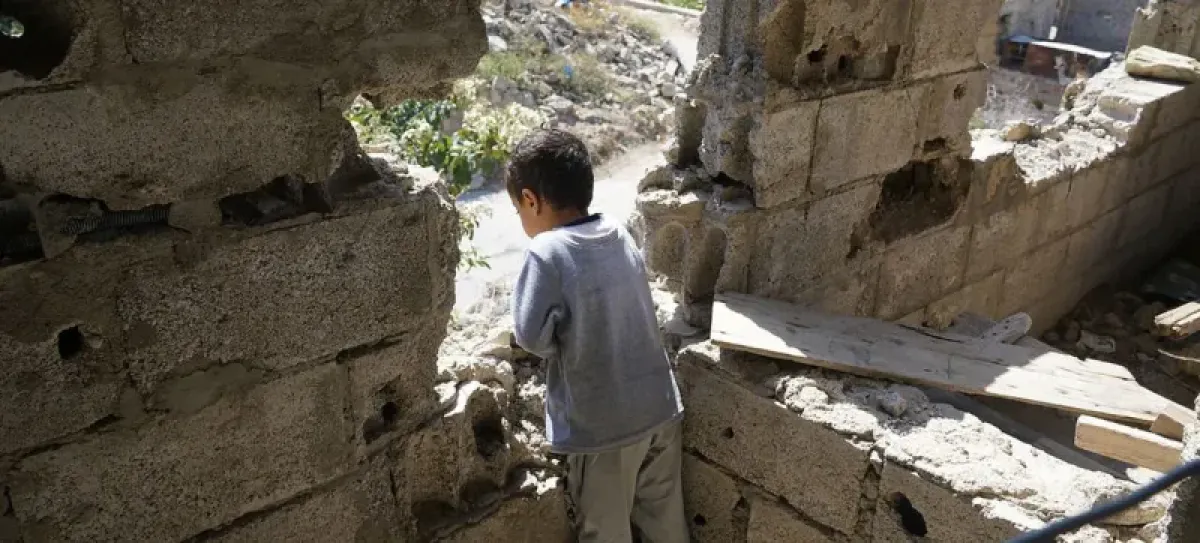
The situation becomes more acute for children displaced with their families. Beyond the loss of their homes, these children face the prospect of prolonged interruptions to their education due to relocation to areas lacking adequate school capacity or their families' inability to afford transportation and school supplies. The developments in Taiz carry significance beyond the province due to its strategic geographical location, its connection to the western coastal regions and the Bab el-Mandeb strait, and its role as a major focal point of the Yemeni conflict. The recent shifts in coastal frontlines have focused attention on the government forces' ability to consolidate territorial gains and expand their operations, while Taiz's fronts have endured increasing pressure. The synchronization of these events raises questions about the relationship between military movements on the western coast and the escalation in Taiz. As government forces seek to leverage battlefield changes and open new avenues for their operations, the sustained pressure on the province's fronts imposes additional challenges on both forces and civilians, further complicating the security and humanitarian landscape. In all scenarios, civilians remain the most vulnerable to the consequences of expanding confrontations, especially in areas where front lines intersect with residential areas, vital roads, and public facilities.
The ramifications of the escalation extend beyond the immediate fear of shelling or clashes, compelling families to make difficult decisions under duress. Leaving one's home often means abandoning livelihoods, property, and relocating to areas potentially lacking basic services. Reports citing the International Organization for Migration indicate that over 200,000 people have been displaced across Yemen since early September, with ten provinces affected by the escalation, including Taiz. These figures highlight the widening scope of the crisis, although actual needs vary by region based on the extent of displacement and access to services and aid. Displaced families in Taiz face multifaceted challenges. Beyond securing food and shelter, ensuring children's continued education becomes arduous, particularly if families are forced to relocate multiple times or lose their capacity to meet basic living needs. Displacement also exposes children to other risks, including early labor to support their families, school dropout, exploitation, and psychological trauma from witnessing violence and losing their sense of security. Consequently, a school closure or disruption in student attendance is not merely a temporary interruption of lessons but a new link in a chain of losses that can profoundly impact children's futures, their educational and employment prospects, and their stability.
In response to this reality, Taiz residents are attempting to adapt to rapidly changing circumstances. Families are compelled to monitor security developments before sending their children to school, assess road safety, and seek alternatives when schooling becomes impossible in certain areas. Educational institutions face the responsibility of balancing the imperative of continuing education with the necessity of protecting students and staff. This demands continuous coordination between education offices, school administrations, local authorities, and security agencies, along with flexible decision-making tailored to the specific risks in each locality. Psychological support is as crucial as providing classrooms and textbooks. A child living under the threat of clashes needs to regain a sense of security to concentrate and learn, and families require support to overcome the effects of displacement and fear. Therefore, the intervention of humanitarian organizations and educational stakeholders is vital to provide safe learning alternatives when necessary, support affected or overcrowded schools, and offer assistance to the most vulnerable families, thereby reducing the likelihood of school dropout and preventing exceptional circumstances from leading to permanent educational cessation.
The escalating military actions in Taiz reveal that the scope of conflict is measured not only by shifting control lines or contested locations but also by its capacity to disrupt civilian life and undermine existing stability. A school is more than a building that can be closed until fighting subsides; it is a critical space for protecting children from street dangers, exploitation, and recruitment, and a means of preserving their opportunities to build a future distinct from the war-torn reality they inhabit. As confrontations persist, protecting educational facilities, students, and educators remains a priority that should not be subject to battlefield calculations. Mitigating the repercussions also requires ensuring aid reaches displaced individuals, providing alternative learning environments, and not leaving families to face the costs of displacement and educational discontinuity alone. Amidst the military shifts on the western coast and mounting pressures on Taiz's fronts, the most pressing question for residents transcends the outcomes of battles: Can local institutions and responsible parties provide the minimum level of safety required for children to return to school without their educational journey becoming a daily risk? In a province that has paid a heavy price over years of war, Taiz's future depends not only on events at the front lines but also on whether its children, amidst this escalation, will find open classrooms and a safe environment that offers them a chance to learn, rather than being prematurely forced by war into choices of displacement, fear, and labor.