The resilience of Taiz's resistance forces against the Houthi militia has visibly shifted public sentiment in Yemen's liberated areas, particularly fostering a renewed sense of unity between the southern regions and Taiz.
Recent military setbacks and the actions of certain political factions, notably the Islah party and its stance on the southern issue, had previously fueled animosity and regional division between northern and southern components of the legitimate government's forces. Taiz, in particular, became a focal point of this friction, with political actors allegedly using Taiz-affiliated leaders and elements in their media campaigns against the southern cause and its primary political representative, the Southern Transitional Council (STC). This was further exacerbated by allegations of the Islah party harboring extremist elements in Taiz-controlled areas, who were reportedly used to launch terrorist attacks against Aden.
This perceived alignment with extremist groups and the political posturing against the south contributed to a widespread sentiment of distrust and alienation in southern Yemen towards anything associated with Taiz and, by extension, the north. The narrative began to shift, framing the conflict less as a war against the Houthis and more as a "South vs. North" confrontation. The stagnation on various fronts against the Houthis inadvertently reinforced this narrative, overshadowing successful examples of unified action against a common enemy.
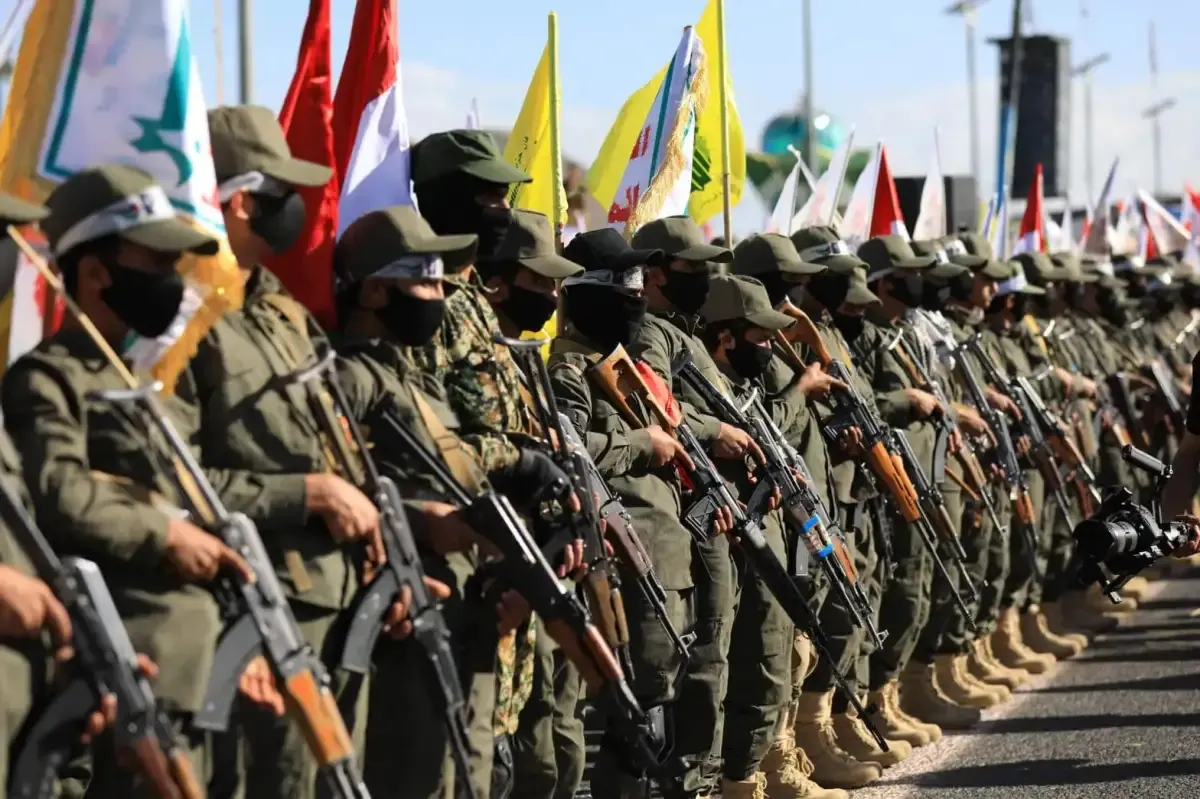
Instances of successful "unity of battle" were evident on fronts where southern military formations fought alongside units flying the Yemeni national flag, coordinating effectively against the Houthi threat. The West Coast fronts and the Muraiss fronts in Dhale'e stand out as prime examples of this cooperation, demonstrating that diverse political visions can unite in the face of a common existential danger.
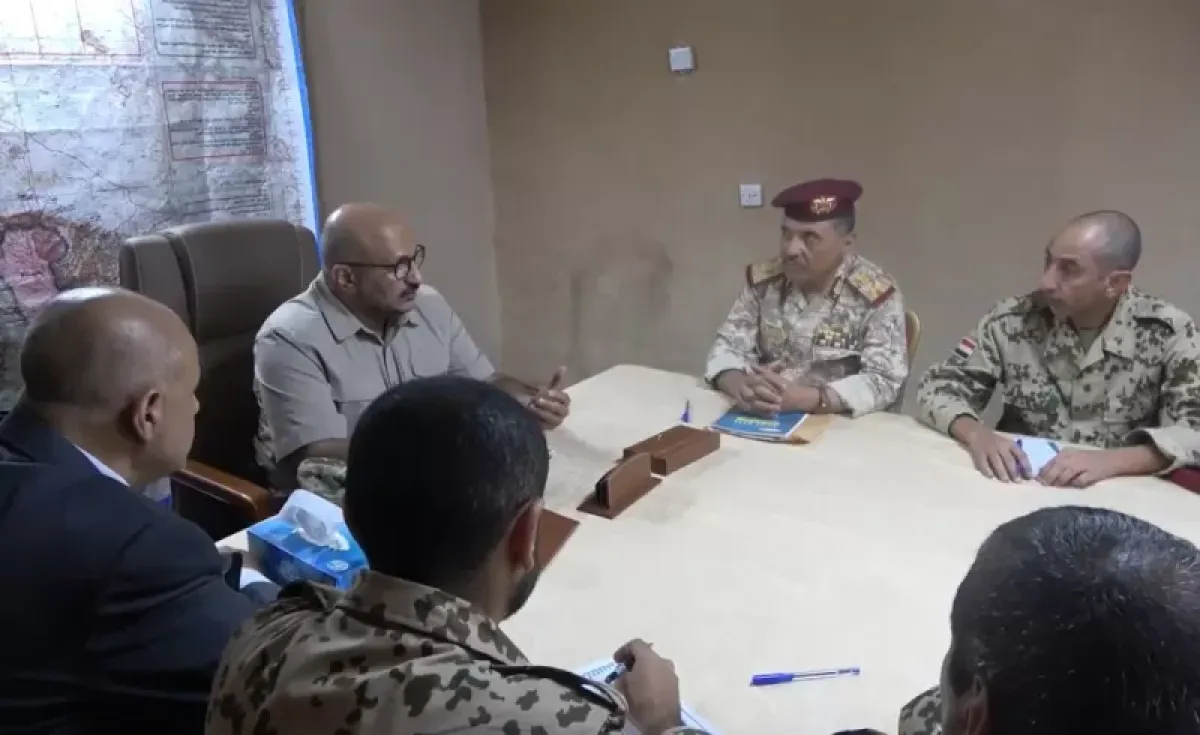
The recent Houthi escalation, which saw them capture strategic areas including the West Coast, rural Taiz, and the key Lahj district of Al-Mudhāribah, pushing them closer to Aden, has refocused attention on the necessity of a unified front. Joint operations involving southern military formations and forces from the Taiz axis and National Resistance have underscored the critical importance of "unity of battle" against the Houthi militia.
The courageous stand of the resistance in Taiz city and Jabal Saber, despite significant disparities in resources, has dramatically reshaped the social landscape in liberated areas. This heroic defense, along with prior engagements, has re-emphasized Taiz's strategic role as the first line of defense for the South and its capital, Aden, while the South provides crucial support and reinforcement to Taiz's resistance.
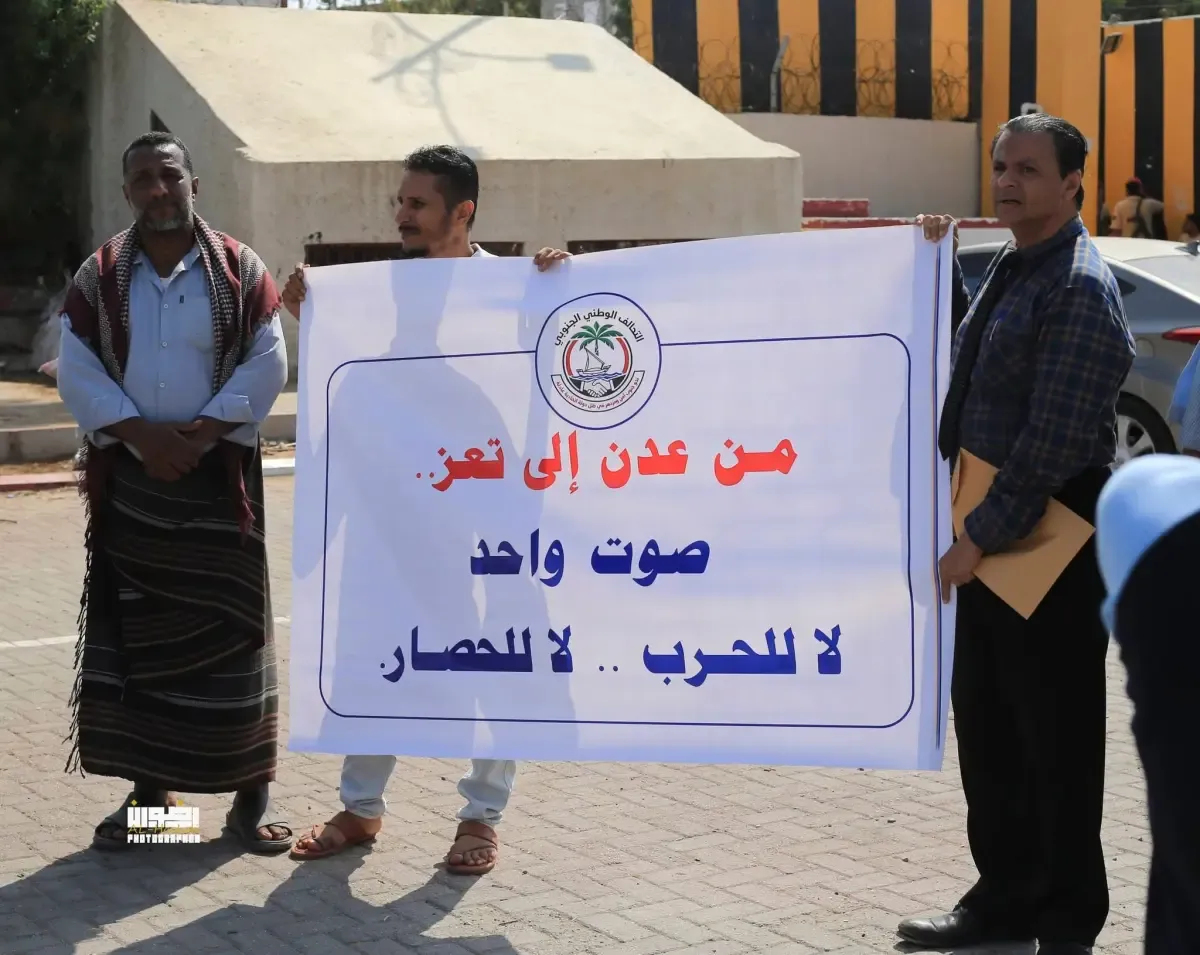
Social media platforms have recently reflected this significant shift in public opinion, showcasing campaigns of support, praise, and solidarity from the South for Taiz's resilience. This has been met with gratitude from Taiz activists and influencers, who have affirmed their commitment to protecting this burgeoning relationship. The martyrdom of resistance leader Raed Al-Kahlani in Taiz served as a poignant symbol of this change, with Aden organizing mourning ceremonies and offering funeral prayers in absentia, signifying the unwavering support of the southern populace for Taiz's steadfastness against the Houthi insurgency.