The Houthi militia's military capabilities are evolving beyond merely receiving finished weapons from Iran, indicating a shift towards developing a domestic system for assembling and enhancing missiles and drones. This transformation is propelled by Iranian technical expertise, imported components including dual-use items, and efforts to leverage artificial intelligence in military systems.
Analysis based on interviews with arms and regional security experts highlights three primary pathways in the Houthi arsenal's development: the transfer of Iranian military knowledge, the diversification of component and technology sources, and the exploitation of accumulated operational experience gained over years of conflict. This evolution necessitates a strategic response that extends beyond intercepting missiles and drones to disrupting supply networks and knowledge transfer crucial for the militia's self-sufficiency.
Iran's strategy has reportedly expanded from providing weapons and funding to imparting technical knowledge for the local assembly and development of missiles and drones. Experts suggest that personnel from Iran's Revolutionary Guard and Hezbollah have contributed to transferring knowledge on missile systems, while former Yemeni military engineers and local cadres have played a role in establishing these capabilities. This shift grants the militia greater autonomy in upgrading its weaponry, reducing reliance on direct foreign supply chains and complicating efforts to track its rearmament.
Diversifying component sources is identified as a key factor in the Houthi arsenal's continued development. Reports indicate the Houthis are pursuing the development of medium-range ballistic missiles using components shipped from China, with some shipments intercepted by recognized Yemeni authorities. This suggests their supply chains are not limited to complete weapon shipments or a single origin, but may involve commercial components repurposed for military use. While China emerges as a significant commercial source for some components, Iran reportedly continues to provide specialized military technology, technical expertise, and hard-to-obtain parts.
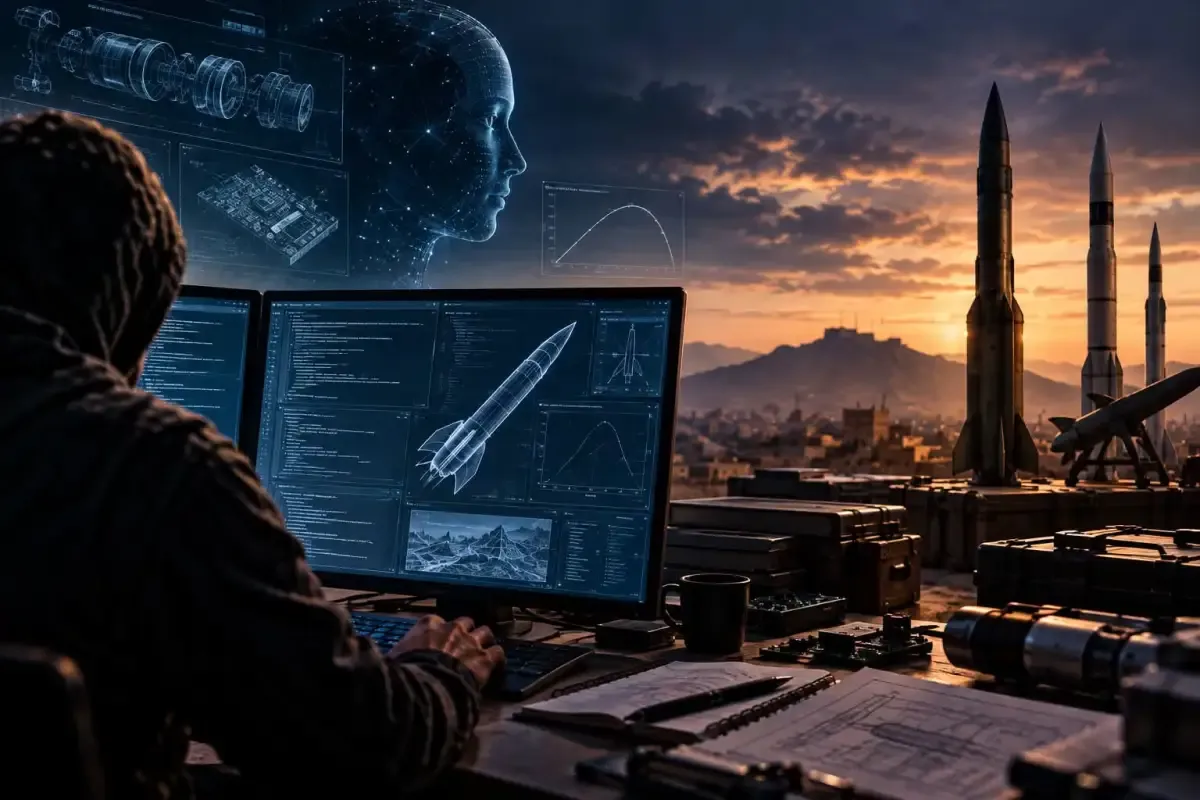
The utilization of artificial intelligence tools represents another facet of the Houthi arsenal's development. A report by Anthropic, an AI model developer, noted activity in northern Yemen involving their tools for weapon guidance software, multi-stage ballistic missiles with extended ranges, and hypersonic glide vehicles. While the report did not explicitly name the Houthis, it attributed the activity to a group operating in a Houthi-controlled region. It is important to distinguish between documented development attempts and the actual successful implementation or deployment of these systems, as AI tools may assist resource-limited entities in complex software and analytical tasks, but do not inherently overcome manufacturing, testing, and specialized material challenges.
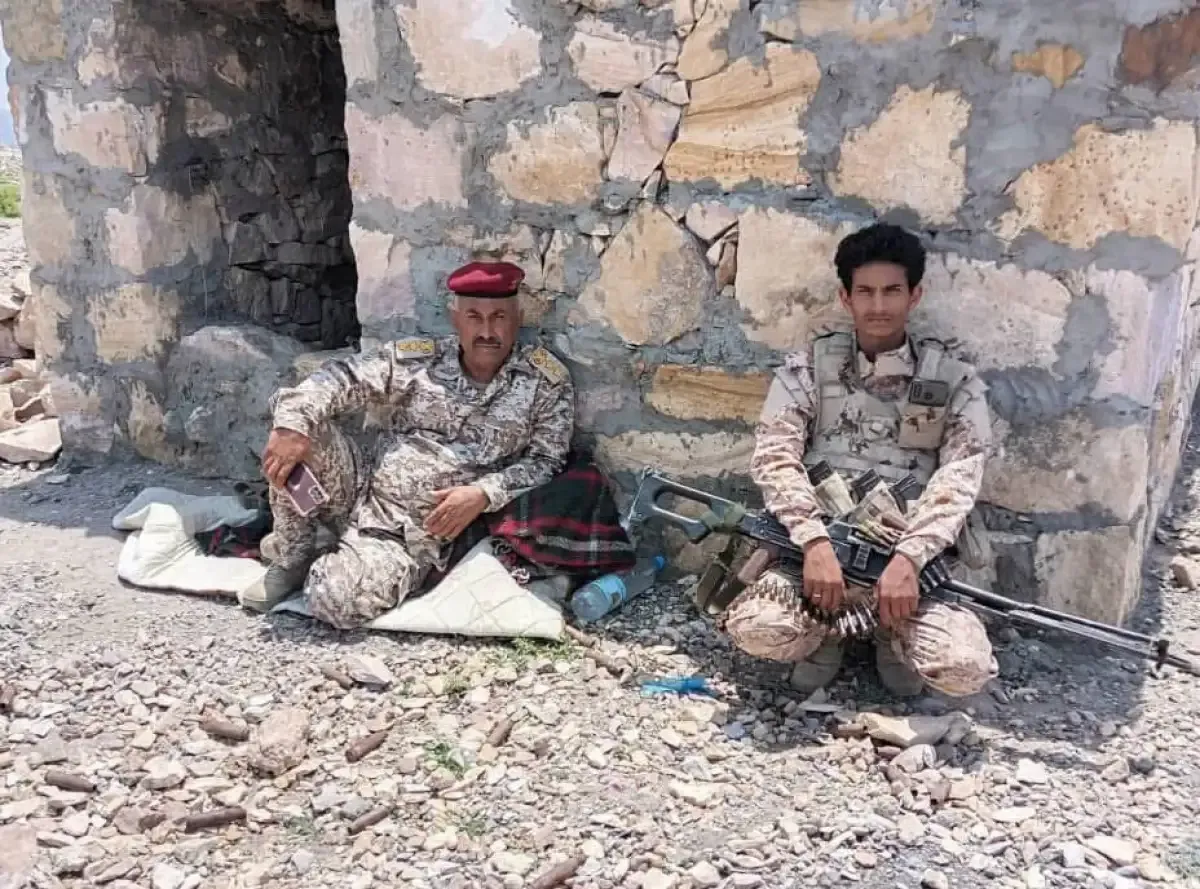
Years of conflict have also endowed the Houthis with significant operational experience. Since 2014, and particularly with their regional operations and attacks targeting Red Sea shipping and Israel, the group has accumulated expertise in deploying drones and missiles. Experts believe this experience has enabled the Houthis to refine their capabilities and adapt their methods in parallel with expanding their supply chains. This implies that the evolution of their arsenal is intrinsically linked to their ability to test, evaluate, and learn from battlefield performance, creating a challenge that extends beyond the launch platforms to a comprehensive ecosystem of knowledge transfer, component sourcing, software development, and practical experience.