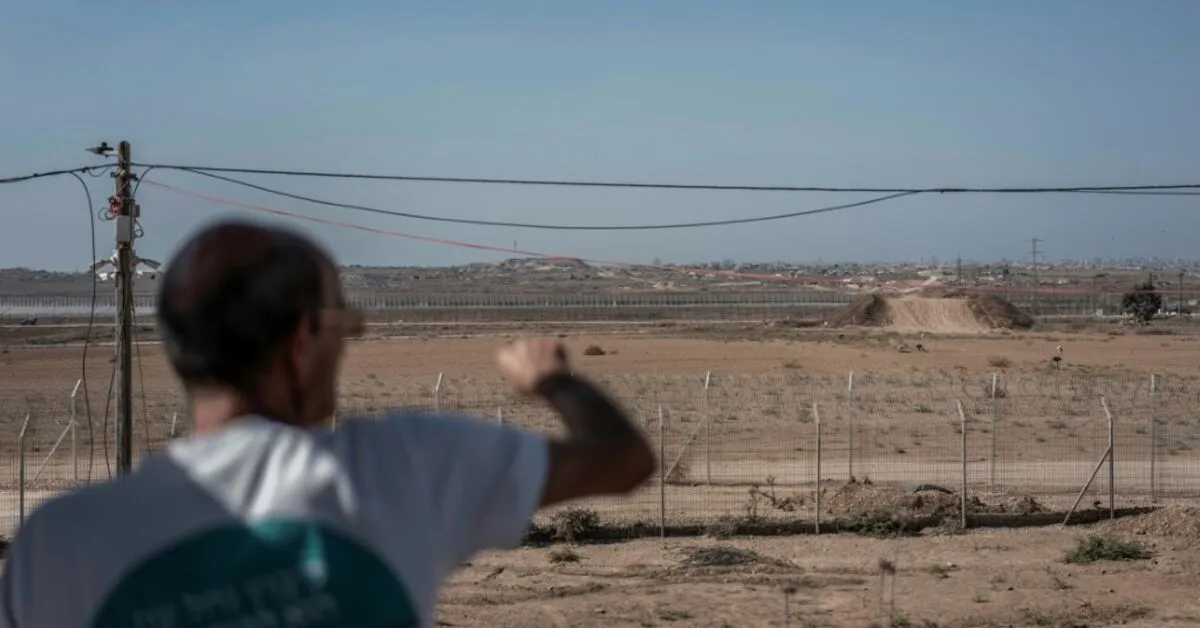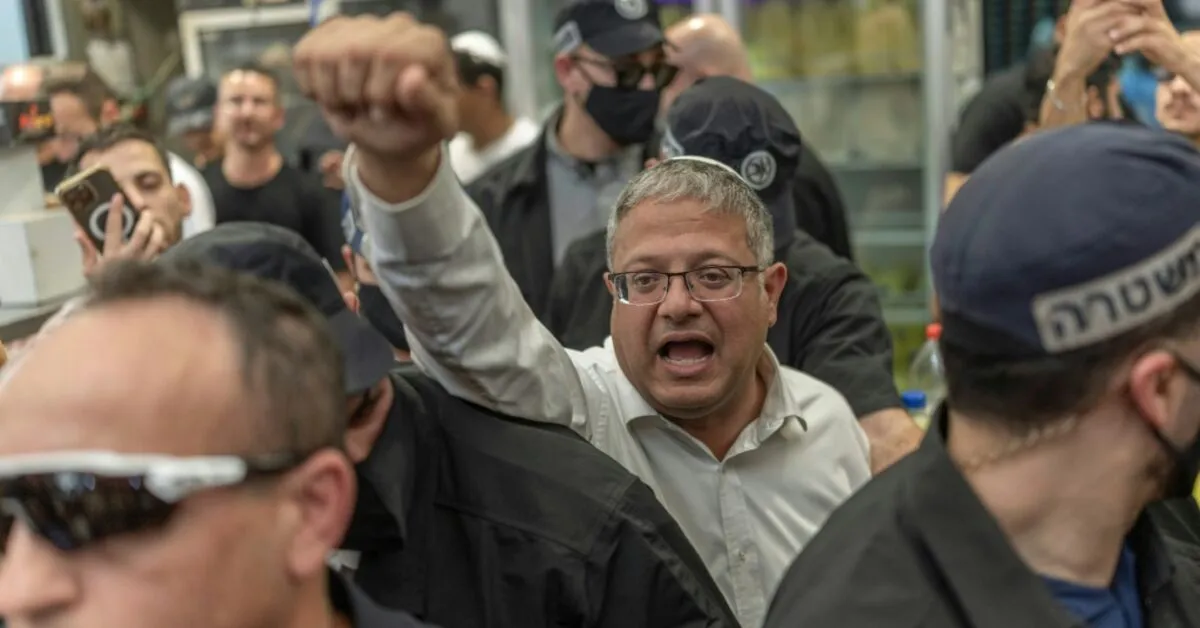
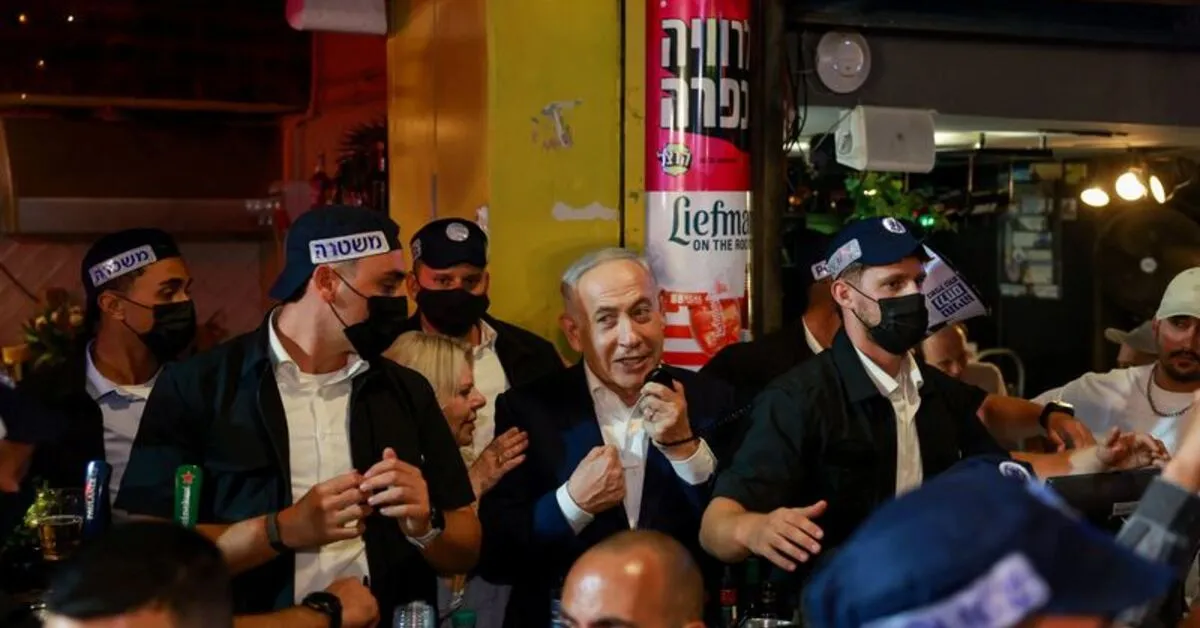
In Dimona, a traditional stronghold of Benjamin Netanyahu's Likud party located in the Negev Desert, disenchanted voters are actively campaigning for his primary rival. Their goal is to oust the veteran prime minister in Israel's upcoming election. This election follows Hamas's October 7, 2023, surprise attack, which profoundly impacted the nation and ignited regional conflict as Israel engaged militant groups in Gaza and its allies.
The security failures of October 7 led to a significant drop in Likud's popularity. For months, opinion polls have indicated that Netanyahu's coalition of right-wing, far-right, and ultra-Orthodox parties is likely to lose its parliamentary majority. However, his main challenger, centrist Gadi Eisenkot, does not have a clear path to forming a government, making the race increasingly close as the election approaches. Dimona, which experienced an Iranian missile attack in March, has become a focal point of this political contest.
Yossi Assayag, a 74-year-old resident who has supported Likud for most of his life, stated, "We must have change. Bibi has to go. Bibi has brought disaster to Israel." Assayag is among a group of residents attempting to persuade their community to support Eisenkot's party, Yashar, which is currently neck-and-neck with Likud in the polls. This is a considerable challenge in Dimona, where half of the voters in the 2022 election cast their ballots for Likud.
Despite the efforts to sway voters, some remain steadfast. Ruti Ohana, a pensioner who immigrated to Israel from North Africa over 60 years ago and has consistently voted Likud, declared, "I will never betray Likud." She believes Netanyahu is superior to his rivals and considers the blame placed on him for the October 7 attacks to be unfair. Historically, Likud has maintained a strong voter base among Jewish citizens of Middle Eastern and North African descent, known as Mizrahis, who felt marginalized by the previously dominant, European-influenced center-left Labor Party.
While Netanyahu retains a core group of supporters, the election hinges on undecided voters who are "in a state of crisis" and open to persuasion, according to Michal Elmalem Abu, who is leading Eisenkot's campaign in Dimona. Approximately 13% of Israeli voters remain undecided. Among those who voted for Likud in 2022, only 55% indicate they will do so again. Fifteen percent plan to support parties opposing Netanyahu, with 8% favoring Yashar. Another 14% intend to vote for alternative right-wing parties, and 9% are undecided.
Political scientist Amotz Asa-El suggests that places like Dimona offer Eisenkot an opportunity to erode Likud's traditional support. Eisenkot, a former military chief of staff with a background from the Mizrahi community, possesses a personal narrative that appeals to a broad spectrum of the electorate, particularly Likud's traditional base. His security credentials are also a significant asset in an election dominated by former military figures. The loss of his son, who was killed in combat in Gaza in December 2023, has also resonated deeply with voters.
Netanyahu, however, continues to demonstrate his strong appeal in the Negev. During a rally in Dimona, he highlighted his government's investment in the region, urging voters to consider the development that has occurred. Despite this, some former Likud supporters express a desire for change. David Iskali, a software engineer from Dimona, commented, "It's time for him to go. He's done a lot for Israel but it can't go on. I won't give my vote to someone almost 80-years-old." Netanyahu, Israel's youngest prime minister upon his initial election 30 years ago, has become its longest-serving leader, having governed for 18 years across six terms.