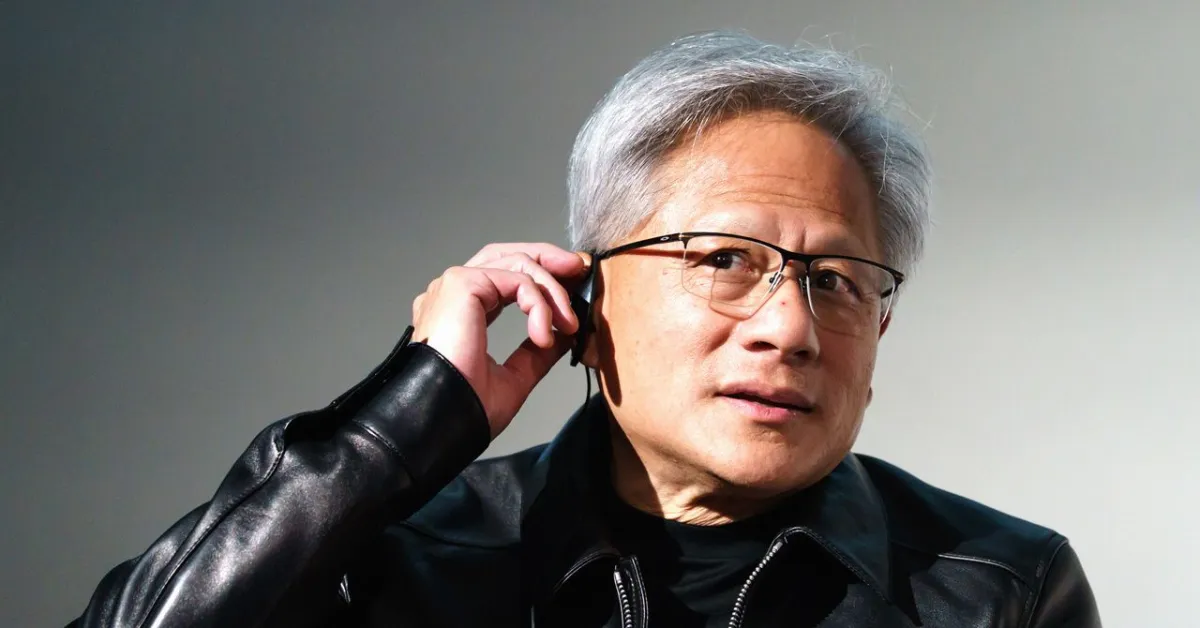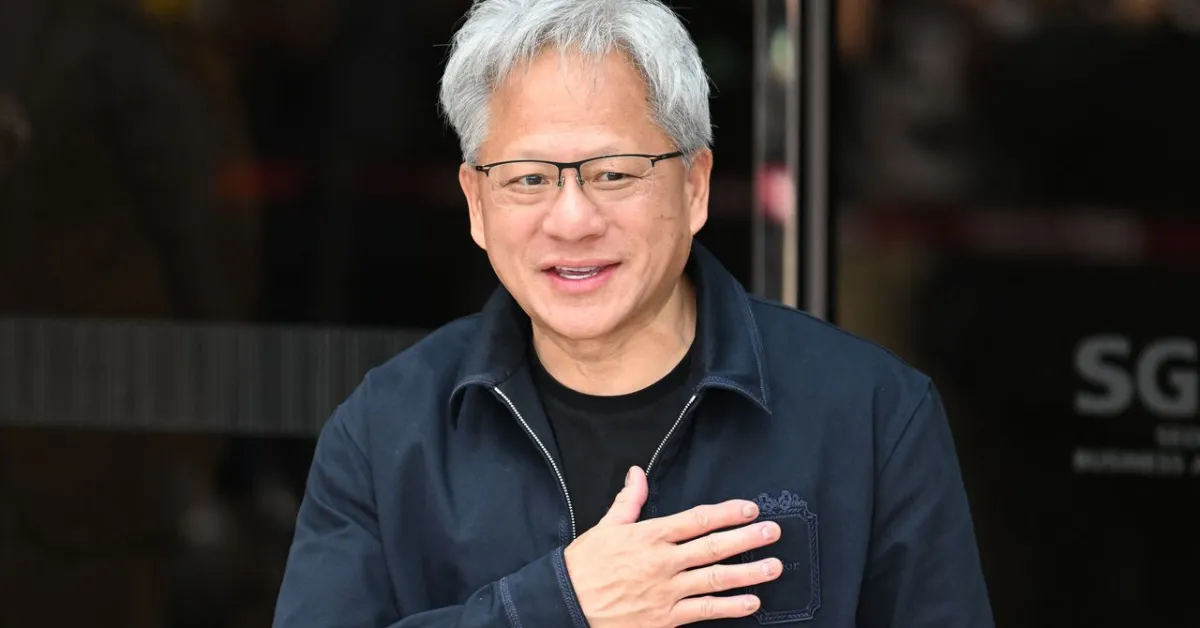
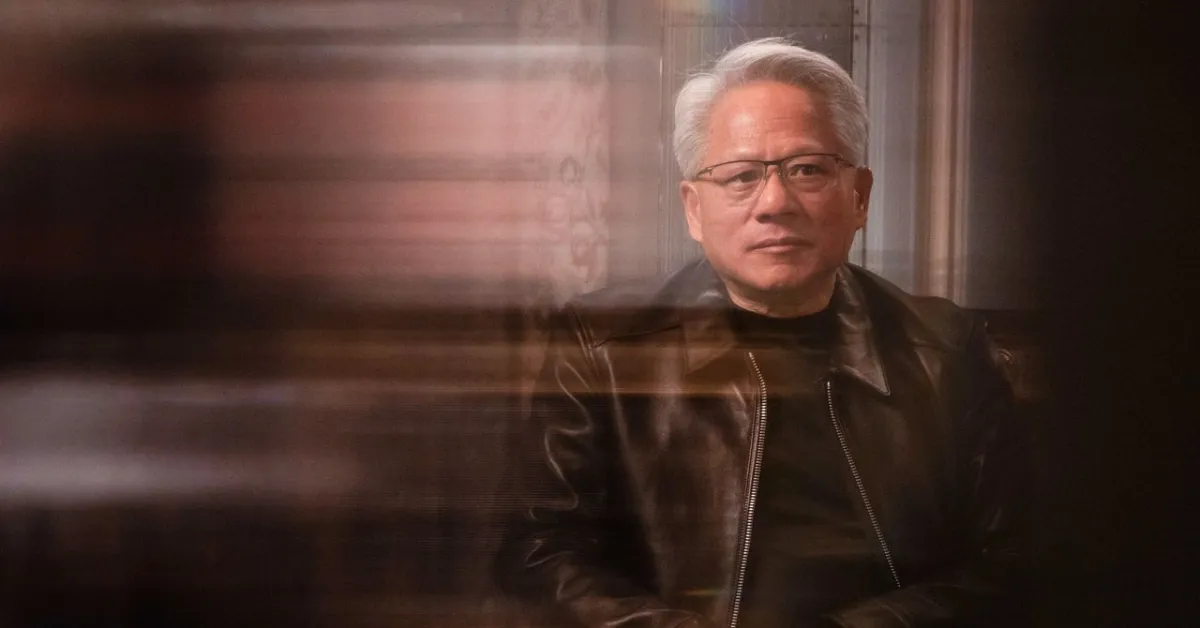
Nvidia's decision to bring back CEO Jensen Huang, just 11 days after his resignation, is raising alarms among national security experts. They warn that the chip giant's immense importance to the stock market may be making it too big for the U.S. government to hold accountable for potential security lapses, and it undermines official warnings about China's pursuit of American technology.
Huang resigned amid revelations of extramarital affairs, including one with a woman suspected of ties to China's Ministry of State Security. Nvidia's board stated that input from "senior levels of the United States government" assured them his return poses no national security risk. President Trump confirmed he lobbied for Huang's reinstatement, citing Nvidia's recovering stock price as a positive sign.
Experts are more concerned about the precedent set by Huang's return than Huang himself. While some believe current scrutiny limits further compromise, fears linger that Beijing may have already gained insights into Nvidia's chip designs, private discussions with U.S. officials, or even obtained chips through a company Alice Huang once ran, Megaspeed, which is under investigation for allegedly diverting Nvidia chips to China.
Many question who provided the government's assurances and on what basis, wondering if a thorough counterintelligence assessment was conducted or if it was a political decision. This situation highlights a perceived pattern of the administration failing to enforce its own export controls, making U.S. warnings about China seem negotiable, to Beijing's benefit.
"If intelligence assessments are seen to be overridden, selectively interpreted, or publicly dismissed for political or commercial reasons, this could undermine long-term confidence in the independence of national security institutions," stated Tahlia Peterson, a cyber and technology research fellow at the Royal United Services Institute. "That would be damaging to US national security, and potentially advantageous to Beijing."
Edward Fishman, director at the Council on Foreign Relations' Maurice R. Greenberg Center for Geoeconomics, noted a parallel with Wall Street's slow adoption of sanctions compliance, suggesting the tech sector hasn't faced comparable enforcement, leading to weak export controls. He added that reinstating Huang before Nvidia's internal investigation concludes doesn't inspire confidence in future enforcement.
The Commerce Department recently added Megaspeed to its trade blacklist, and tightened rules on China's AI industry. However, Emily Kilcrease, who previously served as deputy assistant U.S. trade representative, argues these actions were reactive. "Given the poor track record on export controls and their broader accommodationist stance toward China, it’s fair to ask whether they are willing to really enforce the new controls," she said.
Assurances for Huang's reinstatement largely came from the Justice Department, with an attorney reportedly stating Huang was not a target of any investigation and posed no national security risk. Vice President JD Vance reportedly sought assurances for the board that Huang wouldn't face criminal charges. President Trump also mentioned consulting with intelligence director John Ratcliffe.
Jessica Brandt, a senior fellow at the Council on Foreign Relations, emphasized the need to determine if the government's assurances stemmed from a counterintelligence assessment or political considerations. Sunny Cheung, a China studies fellow at the Jamestown Foundation, agreed that while senior officials might have non-public intelligence, the lack of clarity on who provided assurances and their basis remains a concern, especially with Nvidia's investigation ongoing.
Some lawmakers expressed confusion after briefings on the matter. Cheung suggested that China's Ministry of State Security might not need direct trade secrets from Nvidia; insights into Huang's conversations with U.S. leaders, his views on China and Taiwan, and his role in export control debates could be highly valuable to Beijing.
Brandt also highlighted risks related to chip design information potentially aiding China's advancements and insight into Nvidia's discussions with the White House and Congress helping Beijing anticipate U.S. export control policies. She also raised questions about potential compromise of Huang's devices and security clearance.
Evidence suggests Megaspeed, a company linked to Alice Huang, purchased billions of dollars worth of equipment containing Nvidia chips between June 2024 and February 2026, with subsidiaries serving Chinese clients, including Alibaba. U.S. intelligence indicates Alice Huang was in contact with a Ministry of State Security officer, and her business partner reportedly worked with the agency. This network has been linked to supplying Nvidia chips to China's military contractors, leading to suggestions that Huang, "wittingly or not, may have played a role in helping Megaspeed as it sought access to advanced Nvidia chips," according to Kilcrease.
Nicholas Eftimiades, a former intelligence officer, believes Huang himself is no longer a security risk due to public scrutiny. Peterson concurs that board oversight likely limits further exposure, but uncertainty remains regarding whether sensitive information has already been compromised or if harm can be mitigated.
Nvidia's board stated its investigation will continue with Huang's cooperation. The company is hiring a chief compliance officer, and independent directors are examining whether Huang shared corporate or national security information and overseeing trade compliance and security risks.
Peterson acknowledged Nvidia's critical role in the AI race but stressed that "those considerations should not determine the conclusions of national security investigations." Trump argued that keeping the U.S. ahead of China made Huang's reinstatement essential, fearing China might lure him away.
For Brandt, the broader consequence is the erosion of credibility for U.S. government warnings about China's technological ambitions. "We risk making a hard problem harder: emboldening Beijing while weakening our own defenses," she warned.
Sarah Bauerle Danzman, an associate professor at Indiana University, noted that this incident complicates cooperation with allies who help enforce U.S. controls. Singapore, for instance, had reportedly raised concerns with U.S. authorities in this case.
Huang and Nvidia's general counsel are scheduled for interviews with House committees. Senator Kevin Cramer stated that while the legal and reputational risk falls on Nvidia's board, the national security risk is passed to the U.S. military and its citizens. Kilcrease anticipates congressional hearings and legislation to strengthen export controls and oversight.
"Jensen may be back, and he should not be presumed guilty of wrongdoing," Cheung concluded. "But his reinstatement should not be mistaken for a clean bill of health. Nvidia and the administration still have important questions to answer."