The Trump administration encouraged Venezuela and Iraq to contemplate departing from the Organization of the Petroleum Exporting Countries (OPEC) earlier this year, while also preventing Venezuela from fulfilling its annual membership dues, according to ten individuals familiar with the matter.
These previously undisclosed actions targeted two founding members of OPEC, representing a significant and direct challenge to an organization that President Donald Trump has frequently criticized for allegedly maintaining artificially high oil prices. US officials were advocating for increased oil production and investment in both nations at the time, with some concerns that OPEC's production limits could impede these ambitions.
Pressure on Venezuela reportedly escalated to a point where Saudi Crown Prince Mohammed bin Salman intervened over the summer, persuading the Trump administration to de-escalate the issue. In Iraq, Prime Minister Adil Abdul-Mahdi raised the possibility of leaving OPEC during a government meeting after discussions with US officials who supported the idea. However, Iraq's oil ministry successfully advocated for remaining in the group and pursuing a higher production quota instead.
The United States possesses considerable leverage over both countries. Washington controls Venezuela's access to state funds following the removal of Nicolás Maduro in January. Similarly, Iraq's oil revenues are processed through an account at the Federal Reserve Bank of New York, a measure dating back to the 2003 Iraq War. The US State Department confirmed its authority over the use of Venezuelan state funds but did not directly address whether it had blocked the OPEC dues payment.
These US maneuvers contribute to existing strains within OPEC, an organization that has seen four members depart since 2019. The United Arab Emirates announced its exit this year, citing frustration with production caps, while Angola, Ecuador, and Qatar left in previous years. The US involvement in those departures has not been indicated.
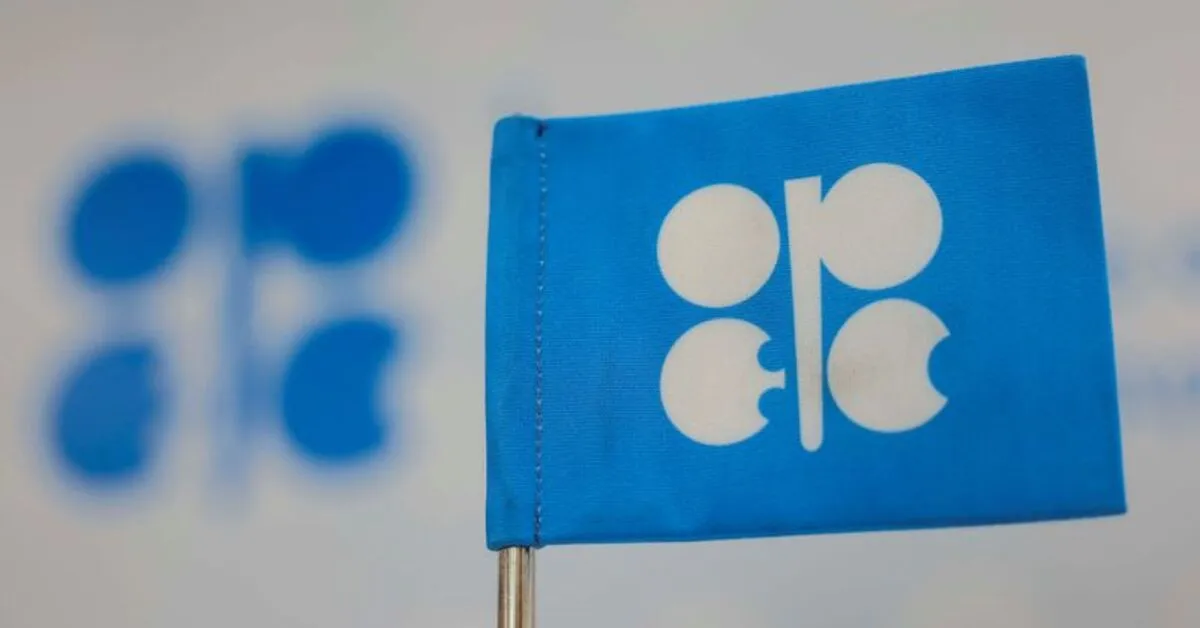
OPEC, founded in Baghdad in 1960 by oil-producing nations to gain more control over the global market, now comprises 11 members. It has also formed an alliance with other producers, known as OPEC+, to coordinate production levels. President Trump has consistently characterized OPEC as a cartel detrimental to global economies, particularly as the US has become the world's largest oil producer, shifting its role from a customer to a competitor.