Tunisia's foremost human rights organization has condemned the "inhumane" conditions within the nation's prisons, reporting that 30 inmates have died since the commencement of summer, which has been the hottest on record for the country.
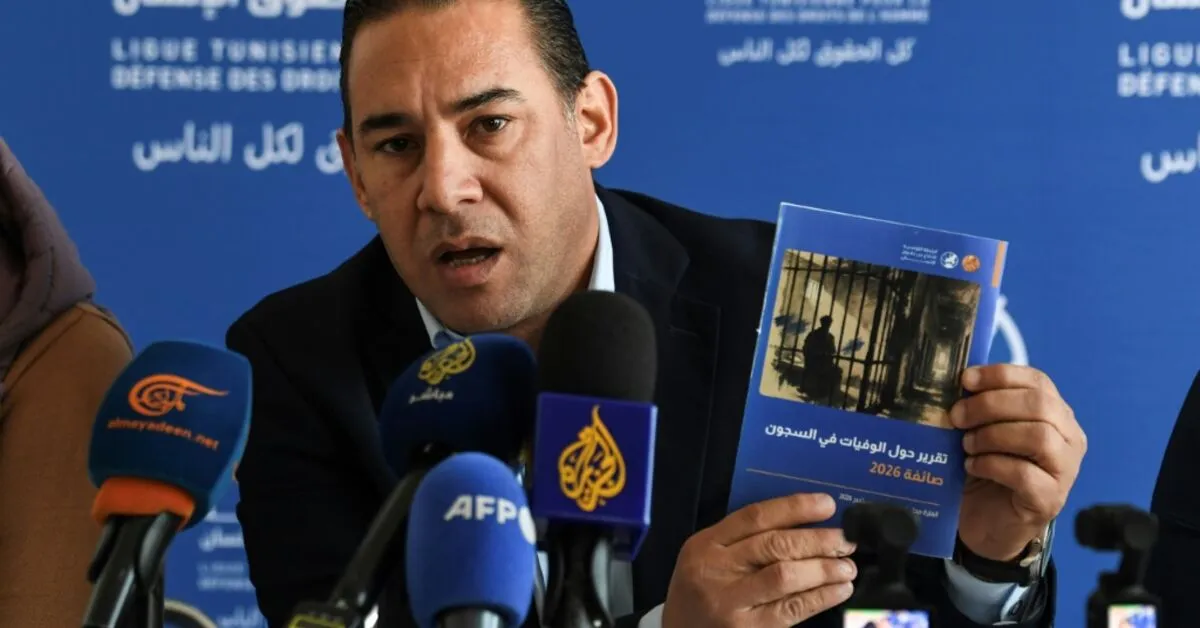
Official figures regarding prison fatalities during a summer characterized by severe heatwaves, water scarcity, and power interruptions have not yet been released by authorities. Bassem Trifi, the head of the Tunisian League for Human Rights, described the prison situation as "inhumane and catastrophic," citing overcrowding and inadequate healthcare as primary concerns.
Tunisian Justice Minister Leila Jaffel acknowledged in a recent parliamentary address that some prisons are indeed overcrowded and confirmed "some deaths" among inmates. However, she asserted that all deceased individuals had suffered from chronic illnesses and passed away in hospitals, not within prison facilities.
Trifi countered that the location of death, whether in an ambulance or a hospital, is secondary, emphasizing that all deceased prisoners were under the legal custody of the justice ministry and prison authorities. His organization is formally demanding official clarification regarding the circumstances of the 30 reported deaths. Previously, in September, the league had documented 23 deaths in detention over the summer based on information from medical professionals, relatives, and lawyers.
Nejia Jehider, whose brother reportedly died in detention, expressed frustration over the lack of autopsy reports and information regarding her brother's death, stating he was healthy and awaiting release. She is demanding to see the autopsy report and understand the cause of death.
This year's summer in Tunisia was the hottest recorded, according to the national weather authority, with July and August experiencing "intense and prolonged heatwaves," which scientists attribute to climate change. Temperatures reached 49.7 degrees Celsius in Kairouan in mid-July. Frequent water cuts, exacerbated by power outages affecting electric pumps crucial for water supply, further complicated conditions, with shortages of bottled water also reported.