On Monday, U.S. Secretary of State Antony Blinken announced the United States will provide $191 million in additional aid to the Yemeni people, who suffer from what he called “the largest and most urgent” humanitarian crisis in the world. Blinken said the United States has now given more than $3.4 billion in humanitarian assistance to Yemen since the conflict began in 2015.
This assistance will save many lives, but the sad truth is that no amount of aid will dramatically or durably improve conditions until Yemen’s conflict ends. Blinken recognized as much: “We can only end the humanitarian crisis in Yemen by ending the war in Yemen.” The United States, he said, is therefore “reinvigorating our diplomatic efforts to end the war.”
But diplomacy will fail without additional leverage. By ending support for the Saudi-led coalition in Yemen, U.S. President Joe Biden has sought to put pressure on Riyadh. But pressuring only one side in a conflict—while failing to apply real pressure on the other—simply leaves the latter emboldened.
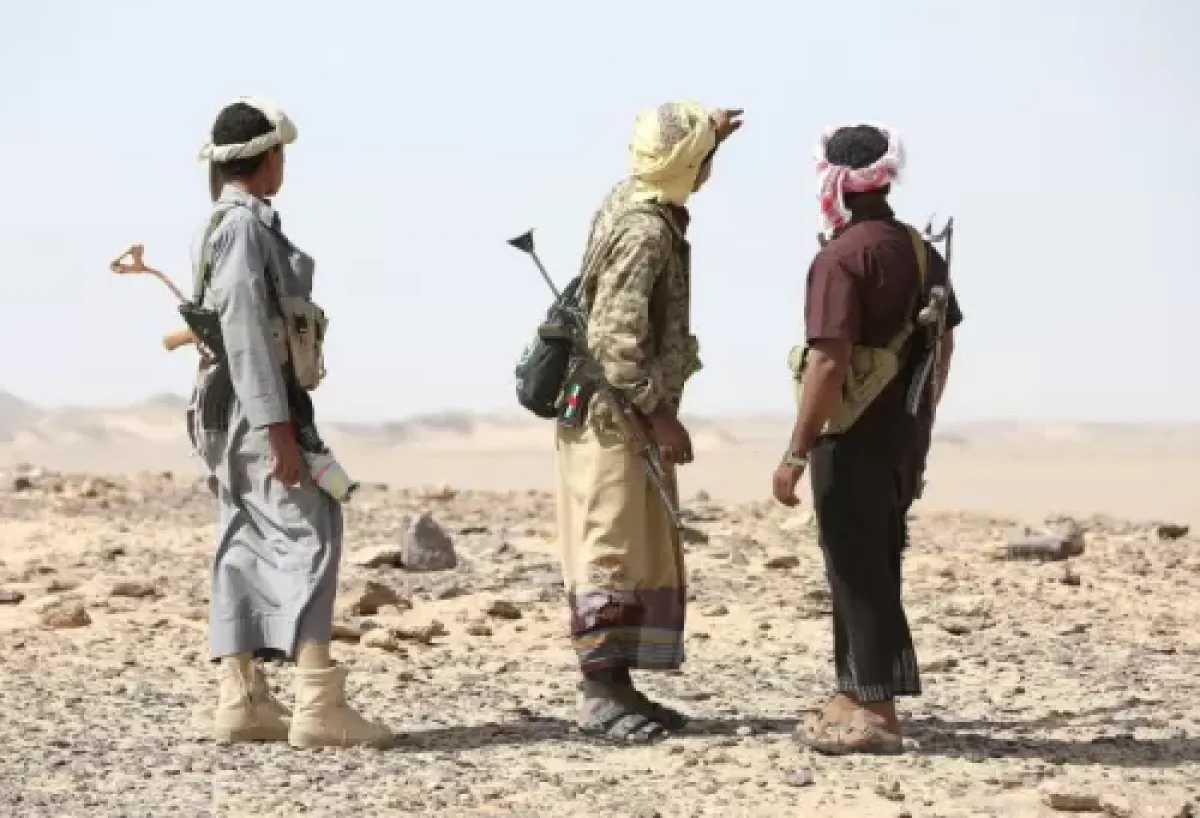
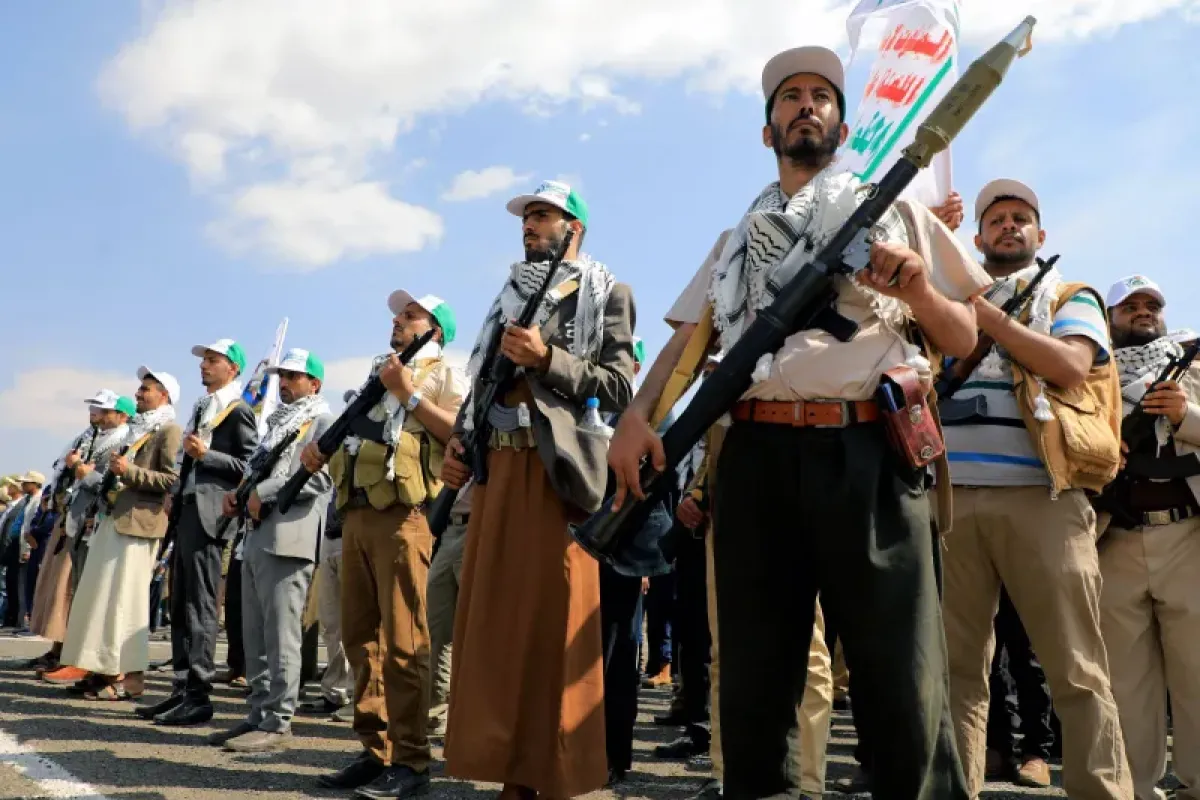
That is exactly what we have seen in recent weeks. The Houthis have launched a massive offensive against Yemeni government forces supported by Saudi Arabia, seeking to break a multi-year stalemate in fighting on the ground. The Houthis control most of northwestern Yemen and have consolidated their rule from Yemen’s capital, Sana’a.
Why should we expect anything else from the Houthis? They see tremendous pressure on Riyadh while Washington recently removed the terror group’s designation as a foreign terrorist organization. Meanwhile, they continue to enjoy a reliable supply of weapons from Tehran. That allows the Houthis to continue fighting while refusing to negotiate in good faith.
The Biden team might point to Tuesday’s announcement of U.S. Treasury Department sanctions against the two Houthi military leaders as evidence to the contrary. The sanctions intend to hold the Houthis accountable for ongoing “malign and aggressive actions” made possible by Iran’s provision of weapons and training. Sanctions, though a good step, do little when targeted individuals are outside the U.S. financial system and see stigmatization by Washington as a badge of honor.
Pressuring Riyadh while essentially giving the Houthis a free pass has created an asymmetry that no amount of shrewd shuttle diplomacy can overcome. Any successful effort to end the conflict—and thereby address the humanitarian crisis—must create new pressure on all parties. In particular, a more serious effort to interdict Tehran’s arms shipments would put greater pressure on the Houthis.
In the continuing conflict, Tehran has happily accommodated the Houthi demand for weapons. Consistent with its regional strategy, Iran seeks to establish a Hezbollah-styled proxy relationship with the Houthis, who are perched next to the Red Sea and on Saudi Arabia’s southern border. Characteristically unphased by the notion of violating United Nations Security Council resolutions, Tehran has undertaken a major arms smuggling effort.
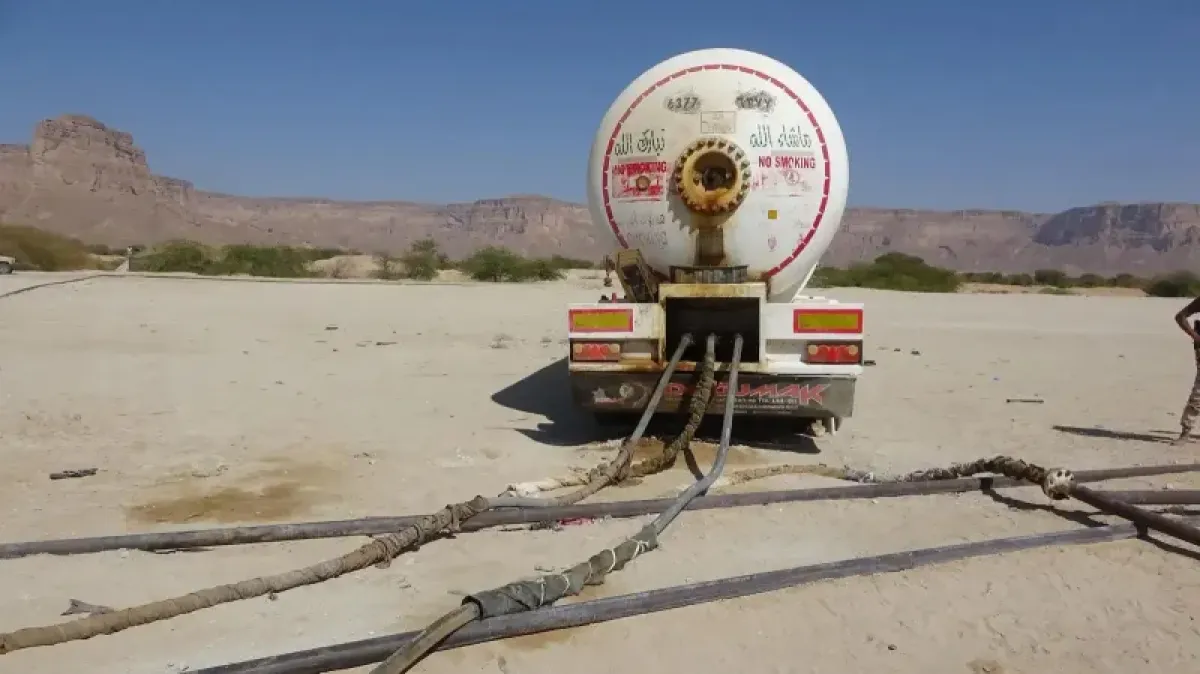
U.S. naval interdictions in November 2019 and February 2020 uncovered Iranian weapons shipments that contained land-attack cruise missiles, surface-to-air missiles, and anti-ship cruise missiles. Last month, an interdiction uncovered weapons similar to those found in other Iranian shipments. Iranian security assistance to the Houthis is nothing new. In 2015, then-Secretary of State John Kerry expressed concern regarding Iranian supplies arriving in Yemen “every single week.”
Bradley Bowman is the senior director of the Center on Military and Political Power at the Foundation for Defense of Democracies and a former advisor to members of the Senate Armed Services and Foreign Relations committees.
Katherine Zimmerman is a fellow at the American Enterprise Institute.