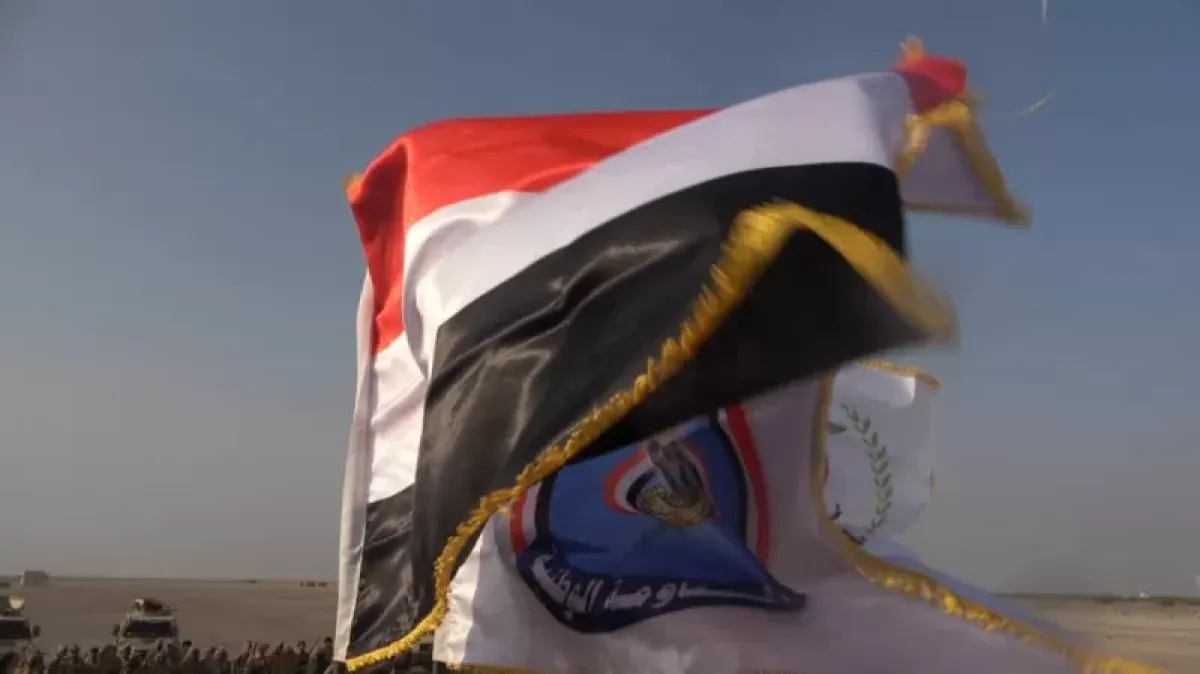
The restrictions and obstacles imposed by the Houthi militias deprived millions of Yemenis of humanitarian aid provided by the United Nations, which exacerbates their suffering as a result of the war that these militias ignited in late March 2015.
A UN report revealed that humanitarian partners reported 673 incidents in 103 districts in 19 governorates across Yemen between July and September of this year, affecting 5.8 million people, in addition to the Houthi manipulation of humanitarian aid, diverting it to the undeserving, selling it on the black market and distributing it to organizations loyal to them exclusively.
The third quarter of 2022 saw a significant increase in incidents affecting the safety and security of aid workers compared to the second quarter.
About 23.4 million people in Yemen, more than two-thirds of the population, need humanitarian assistance, with 17 million people suffering from food insecurity.
Malnutrition rates among women and children are among the highest in the world, with 1.3 million pregnant and lactating women and 2.2 million children under five years of age requiring treatment for acute malnutrition.
Humanitarian access in Yemen remains a challenge, with most access incidents driven by bureaucratic impediments, particularly delays in movement.
The UN report stated that nearly three-quarters (73.6%) of the reported incidents related to bureaucratic restrictions imposed by the authorities, including restrictions on the movement of humanitarian workers and goods within Yemen. These restrictions include interference with humanitarian operations, denial or delay of travel authorization, and cancellation of missions and field travel activities.
The report revealed that the Houthis continued to demand the presence of a Mahram (a male relative) to accompany Yemeni aid workers when traveling on field missions within and between governorates, as well as outside Yemen via Sana’a International Airport, which complicates the process of providing humanitarian aid and increases its difficulty, in addition to what it means of religious restrictions.
On November 22, the Director of Operations and Advocacy at the United Nations Office for the Coordination of Humanitarian Affairs, Rina Ghailani, said that the humanitarian work environment in Yemen is getting more difficult every month, noting that humanitarian access is still largely restricted by bureaucratic obstacles, movement restrictions and unacceptable levels of interference.
The UN official explained in a session before the UN Security Council that the deteriorating security situation is leaving humanitarian workers increasingly vulnerable to car thefts, kidnappings and other incidents.
She warned that this hinders safe access in the governorates of Abyan and Shabwa (southern Yemen) in particular, where the United Nations urgently needs to expand the scope of operations.
According to Ghailani, more than 30 car theft incidents have occurred in different regions so far this year. Five UN staff members are still missing after their abduction in February in Abyan.
Two additional UN staff members were still in detention in Sana'a after more than a year. She said.
"We continue our repeated calls for the immediate release of all employees," she added.
Mines and unexploded ordnance continue to pose a major challenge to the delivery of aid to affected areas in Yemen, as 77 mines and unexploded ordnance incidents were reported in 10 governorates, especially Hodeidah (western Yemen), Saada (northern Yemen), Hajjah, Al-Jawf (northeast) and Sana'a during the past three months.
Houthi restrictions and obstacles deprive millions of Yemenis of UN aid: Report
3 years ago