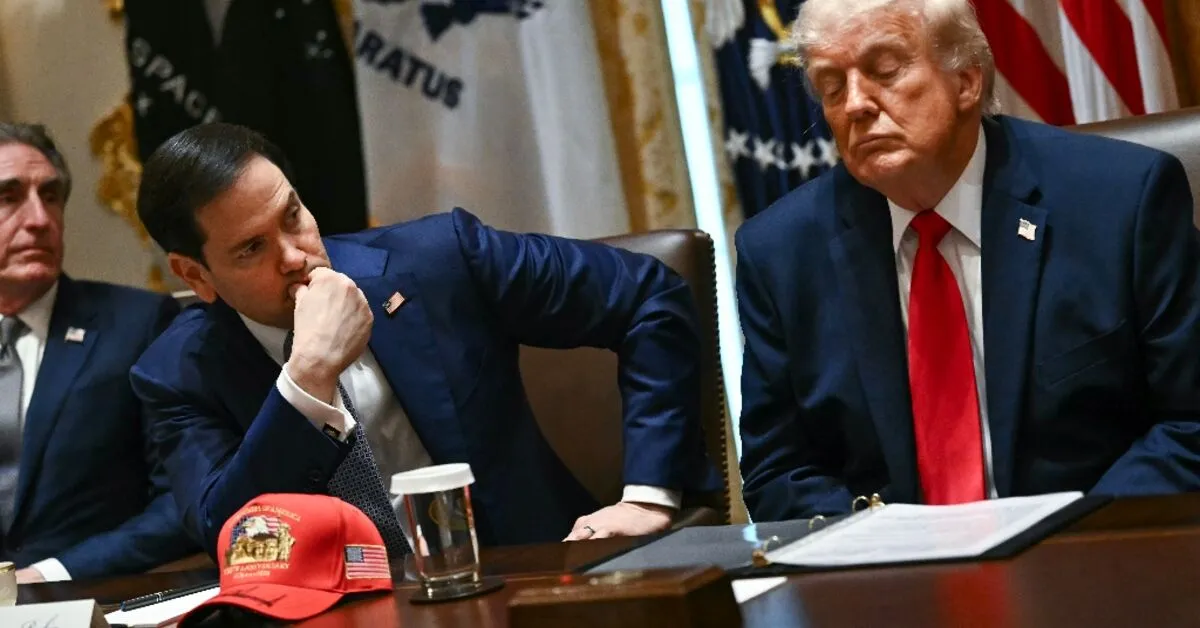
President Donald Trump stated that he has received assurances from Iran regarding the cessation of nuclear weapons development, coinciding with reports of a revised peace proposal being sent to Tehran.
The development follows media outlets reporting that Trump had submitted a revised framework to Iran with potentially more stringent conditions, though the specifics remain undisclosed. Any modifications to the proposal could further delay an agreement aimed at formally concluding the Middle East conflict and reopening the Strait of Hormuz, a critical maritime route, after weeks of diplomatic efforts punctuated by contentious rhetoric and sporadic armed confrontations.
Trump reiterated his primary objectives for any potential deal, emphasizing the prevention of Iran's nuclear weapon development and the reopening of the Strait of Hormuz. He conveyed in a Fox News interview, "The one guarantee that I have to have is that there will be no nuclear weapons. They've agreed to that, and it was very interesting."
However, Iran has previously expressed skepticism regarding Trump's claims, and significant disparities persist between the parties' key priorities. Tehran has indicated that the release of $12 billion in frozen assets is a prerequisite for substantive discussions on its nuclear program. Iranian media also reported that Tehran dismissed earlier remarks by Trump regarding the destruction of its enriched uranium as "baseless."
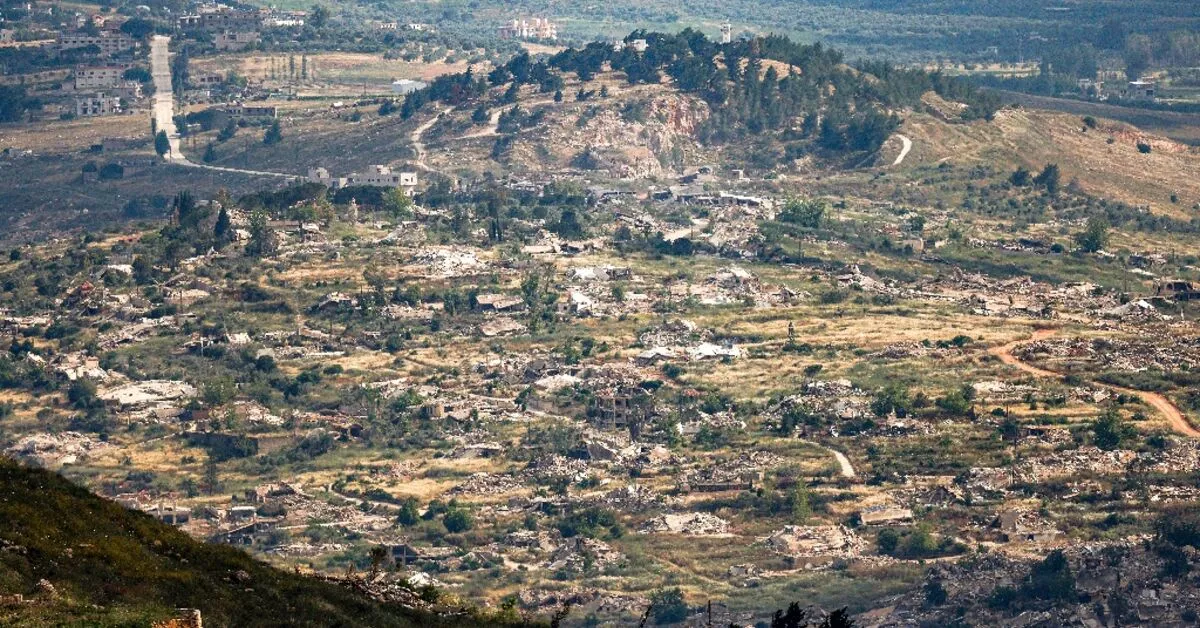
Furthermore, Iran insists on the inclusion of Lebanon in any resolution to the conflict, despite ongoing hostilities. Beirut has accused Israel of employing a "scorched-earth policy" amid its military advancements and airstrikes targeting what it claims are Iran-backed groups.
In contrast to earlier pronouncements suggesting an imminent deal, Trump adopted a less urgent tone, hinting at the possibility of renewed military action. He commented, "I'm in no hurry. Slowly but surely we're getting, I think, what we want and if we don't get what we want, we're going to end in a different way." This sentiment was echoed by Pentagon chief Pete Hegseth, who stated that Washington was "more than capable" of resuming hostilities if necessary.