California Democrats, particularly older voters, have delayed casting their ballots in significant numbers for the gubernatorial race, driven by concerns about a "wasted vote" and the potential for a Republican lockout in the state's jungle primary system. This strategic hesitancy reflects a broader anxiety among the party faithful to ensure at least one Democratic candidate advances to the November general election.
The crowded field and the unique nature of California's primary, which sends the top two vote-getters regardless of party to the general election, have fueled this deliberative approach. The recent departure of a high-profile candidate amid allegations also added pressure for Democrats to consolidate support behind those with the strongest prospects of advancing.
Data indicates a lower return rate for Democratic ballots compared to the previous primary cycle, particularly among older, typically enthusiastic voters. While this trend is concerning, experts suggest a surge in ballot returns is likely in the days leading up to Election Day as voters make their final decisions, influenced by media coverage and evolving candidate standings.
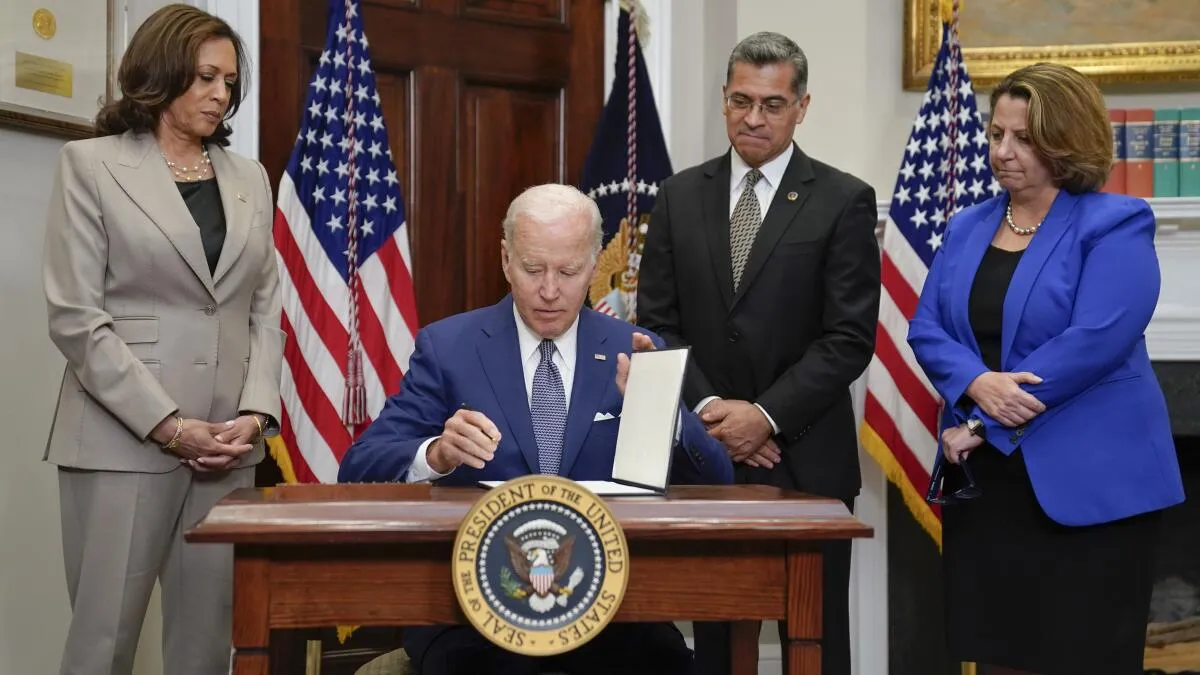
Recent polling suggests a clearer picture is emerging, with Democrat Xavier Becerra leading, followed by Republican Steve Hilton and another Democrat, Tom Steyer. Other prominent candidates, including Republican Chad Bianco and Democrat Katie Porter, have seen declining support. This developing landscape has eased some of the initial fears of a two-Republican runoff among the political class, though many voters continue to exercise caution.
Voters interviewed expressed a willingness to support candidates they believe have the best chance of advancing, even if those candidates are not their first choice. This pragmatic approach is compounded by the sheer number of gubernatorial candidates, leading some voters to organize discussions to strategize their selections and avoid what they perceive as a potentially detrimental outcome.
The current race has drawn comparisons to the 2003 recall election, though experts note key differences. While a large number of candidates are running, there is a perceived lack of singular "star power" among Democrats, with many occupying a similar ideological space, contributing to the difficulty in coalescing around a single front-runner.