A new US report suggests that Iran may shift its focus of economic pressure from the Strait of Hormuz to the Bab el-Mandeb Strait, leveraging its influence over Yemen's Houthi rebels to disrupt global shipping and energy markets.
The warning comes amid escalating international concerns over Iran's potential to impact global navigation. The CNN report highlights that Tehran could expand its economic leverage by transferring threats from the Strait of Hormuz to the Bab el-Mandeb. This strategy would exploit Iran's extensive influence over the Houthi militia in Yemen, utilizing them as a proxy military force to advance its regional agenda.
This alert emerges within a context of ongoing tension between Iran and the United States. Despite reported progress in ongoing negotiations, Iranian rhetoric continues to convey clear escalatory messages, indicating that Tehran retains multiple military options should diplomatic efforts falter or military confrontation re-emerge.
According to the report, the Iranian leadership views its success in disrupting navigation through the Strait of Hormuz and impacting the global economy as a viable model that can be replicated in other strategic areas. The Bab el-Mandeb Strait, one of the world's most crucial and sensitive maritime passages for international trade and energy, is identified as a primary candidate for such action.
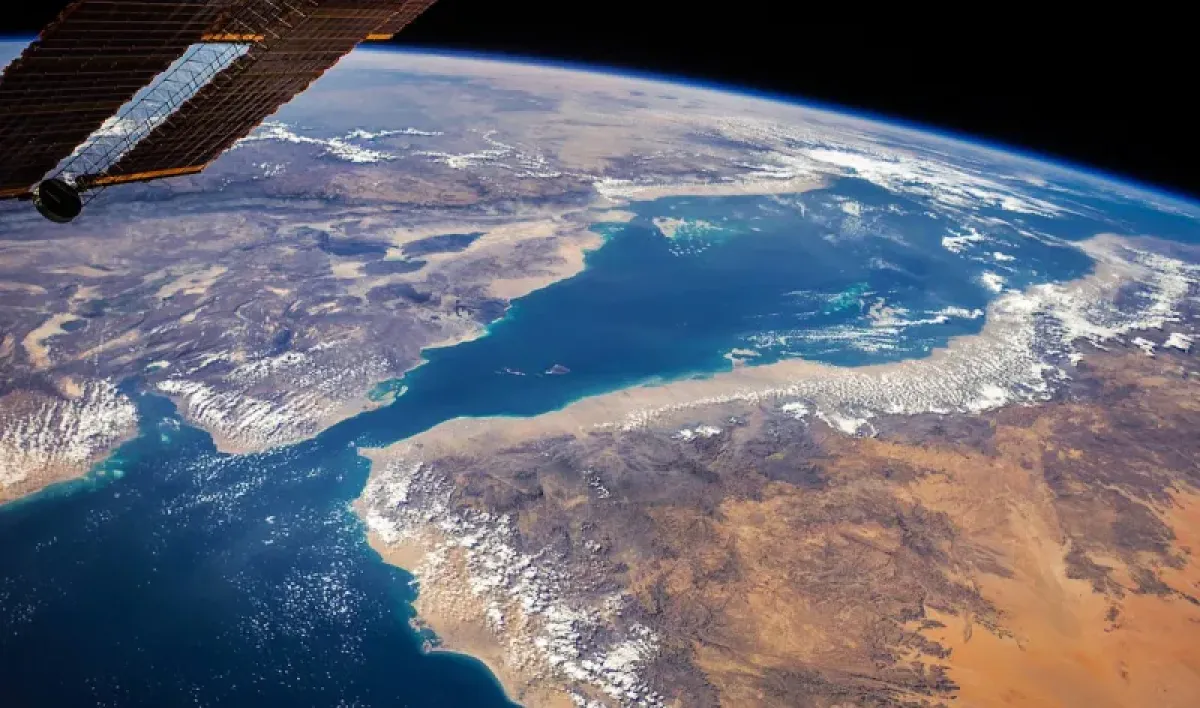
The Bab el-Mandeb Strait serves as a critical chokepoint connecting the Red Sea to the Gulf of Aden and the Indian Ocean. Annually, immense volumes of oil, gas, and goods transit through this waterway, destined for Europe from Asia and vice versa. Consequently, any disruption in this passage would not only affect regional nations but also directly impact global markets and supply chains.
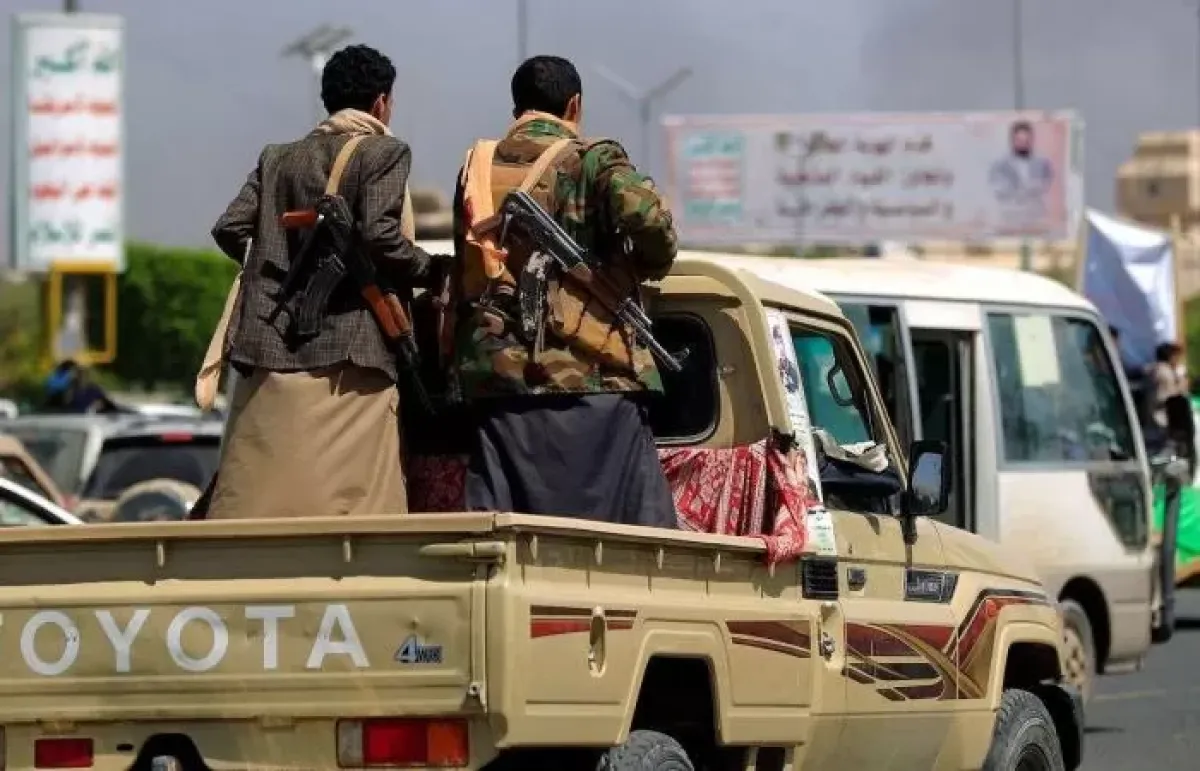
The report posits that Iran possesses a ready instrument for executing such a scenario in the form of the Houthi militia. In recent years, the Houthis have demonstrated their capability to threaten international navigation by targeting commercial and military vessels, as well as oil tankers, in the Red Sea and the Gulf of Aden. This has already led to significant disruptions in global trade.
The report notes that escalating Houthi attacks in 2024 have compelled numerous global shipping companies to bypass the Red Sea and the Suez Canal, opting for the longer route around the Cape of Good Hope. This diversion has resulted in increased journey times and unprecedented rises in transportation and insurance costs.
Data cited in the report underscores the strategic importance of the Bab el-Mandeb Strait. In 2023, over 10 percent of the world's seaborne oil trade passed through it, although volumes have notably decreased due to Houthi attacks and security threats in the region. Liquefied natural gas (LNG) traffic has also seen a sharp decline, raising widespread concerns among global markets regarding energy supply security.
The report quotes Imad Shukri, an energy strategy expert and visiting fellow at George Mason University, who warns that simultaneous crises in both the Strait of Hormuz and the Bab el-Mandeb would constitute the most dangerous scenario for the global economy. He emphasizes that these two straits are vital arteries for international energy and trade flows.
Shukri explains that concurrent disruptions in these regions would lead to a sharp increase in oil prices, higher maritime shipping costs, and exacerbated inflationary pressures on global economies already struggling with the aftermath of recent crises. While the report acknowledges that a complete blockade of the Bab el-Mandeb would be more challenging than at Hormuz, due to the strait's geography and the presence of significant international and regional naval forces, experts believe Iran does not need to fully close the strait to achieve its objectives.
From their perspective, sustained Houthi attacks and security threats over extended periods could render passage through the Bab el-Mandeb prohibitively costly and dangerous, automatically disrupting a significant portion of global trade and inflicting widespread economic damage without the need for an official blockade. This scenario, according to observers, reflects Iran's strategy of employing local proxies to manage conflicts and avoid direct confrontation with international powers. The Houthis are seen as a key Iranian military arm capable of threatening Western interests and international shipping lanes from a highly sensitive geographic location.
The report also points to recent Iranian statements that amplify fears of Tehran's inclination towards more escalatory options if negotiations with Washington fail. Iranian officials have alluded to expanding the scope of conflict and opening new fronts, with some statements threatening energy facilities in Gulf Arab states if Iranian oil installations are attacked.
These positions, according to the report, reveal Iran's intent to use the global economy as an additional pressure point in its conflict with the West by targeting maritime routes and energy infrastructure critical to international markets. Analysts believe these new US warnings represent a growing recognition of the significant role the Houthi militia plays in Iran's strategy, particularly after the group evolved from a local threat within Yemen to a factor influencing global trade security and the stability of international energy markets.
The significance of the Bab el-Mandeb Strait as one of the world's most critical maritime passages and its vulnerability to threats associated with Iran's regional ambitions is highlighted. Protecting this vital artery is thus presented as an international responsibility, extending beyond Yemen and the region to encompass the entire global economy. This is especially pertinent given increasing indications that Tehran may resort to broader escalation if it faces more complex political or military choices in the future.