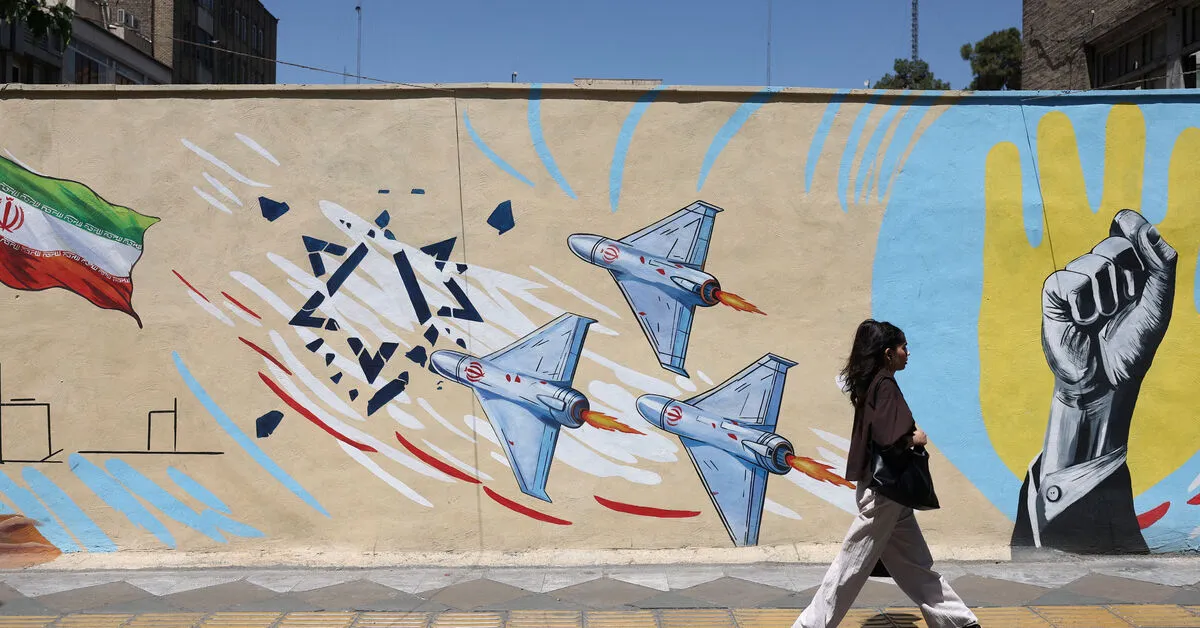
The United States announced it conducted strikes on Iranian military sites over the weekend, a move followed by Iran's Revolutionary Guards claiming to have targeted a U.S. base in retaliation. These exchanges represent the latest escalation amidst ongoing negotiations aimed at ending a three-month conflict.
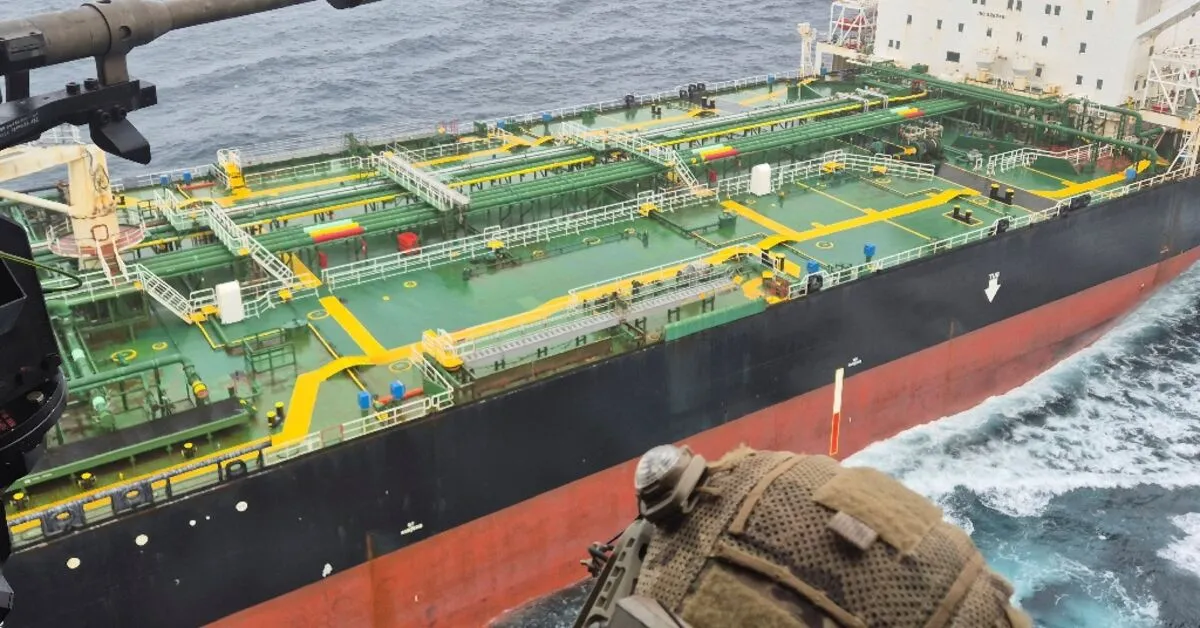
According to U.S. Central Command, the strikes along Iran's Gulf coast were a direct response to "aggressive Iranian actions," specifically citing the downing of a U.S. MQ-1 drone over international waters. U.S. fighter aircraft subsequently neutralized Iranian air defense systems, a ground control station, and two attack drones that posed a threat to regional shipping, CENTCOM stated on the social media platform X, affirming continued protection of U.S. assets and interests during the current ceasefire.
Iran's Islamic Revolutionary Guard Corps declared on Monday its forces had attacked an air base utilized by the U.S. for operations against southern Iran, without specifying the exact location of the base. Concurrently, state news agency KUNA reported that air defenses in Kuwait, home to a significant U.S. military installation, intercepted missile and drone attacks, with sirens sounding across the country, though further details were not provided.
The U.S. and Iran have engaged in sporadic retaliatory strikes since a ceasefire took effect in early April, as diplomatic efforts toward a more enduring agreement persist. A similar pattern of exchanges occurred last Thursday, with both nations issuing comparable descriptions of the events.
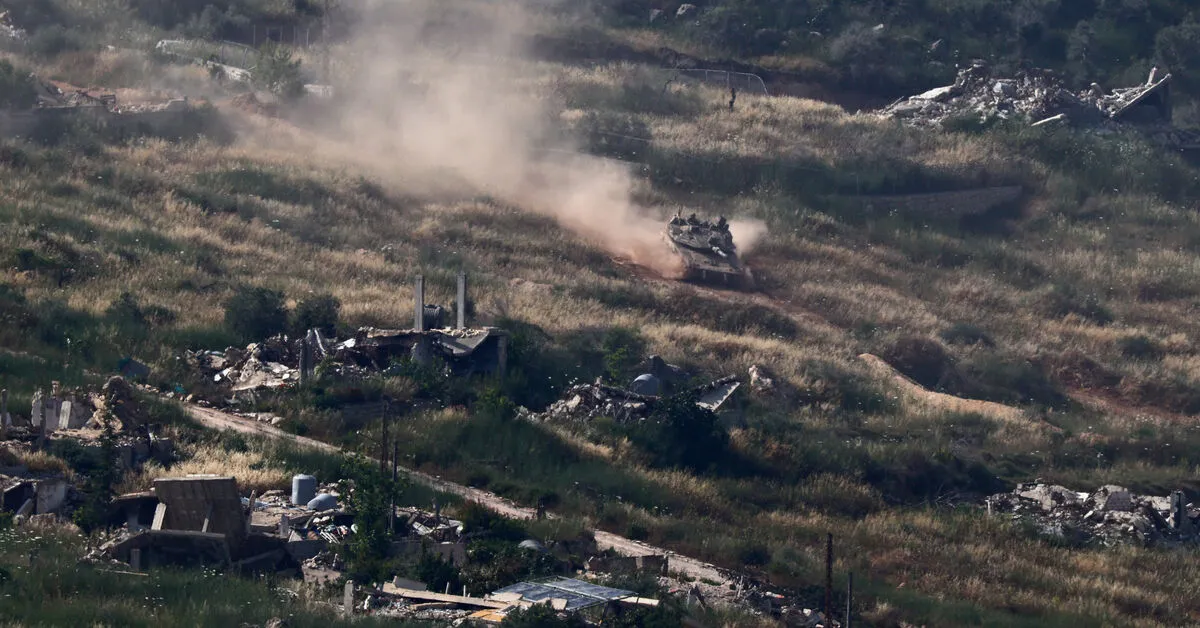
The conflict, initiated by the U.S. and Israel on February 28, has resulted in thousands of casualties, primarily in Iran and Lebanon, and has had a considerable impact on the global economy through elevated energy prices, exacerbated by Iran's effective closure of the Strait of Hormuz. U.S. President Donald Trump has stated his objective in the conflict is to prevent Iran from acquiring nuclear weapons, a claim Tehran consistently denies.
President Trump faces domestic pressure to reduce gasoline prices and reopen the Strait of Hormuz ahead of the November congressional elections, amid growing voter dissatisfaction with rising costs. Simultaneously, he must navigate potential opposition from within his own party, often referred to as "Iran hawks," regarding any concessions made to Tehran. Key points of contention include Iran's demands for sanctions relief and the release of frozen oil revenues, as well as Israel's ongoing military engagement in Lebanon against the Iranian-backed Hezbollah militia. U.S. Secretary of State Marco Rubio has engaged in diplomatic discussions with Lebanese President Joseph Aoun and Israeli Prime Minister Benjamin Netanyahu regarding de-escalation efforts.