United Nations Secretary-General António Guterres has stated that a UN peacekeeping force will be essential in Lebanon following the expiration of the current mission's mandate at the end of the year, a proposal likely to encounter opposition from the United States and Israel.
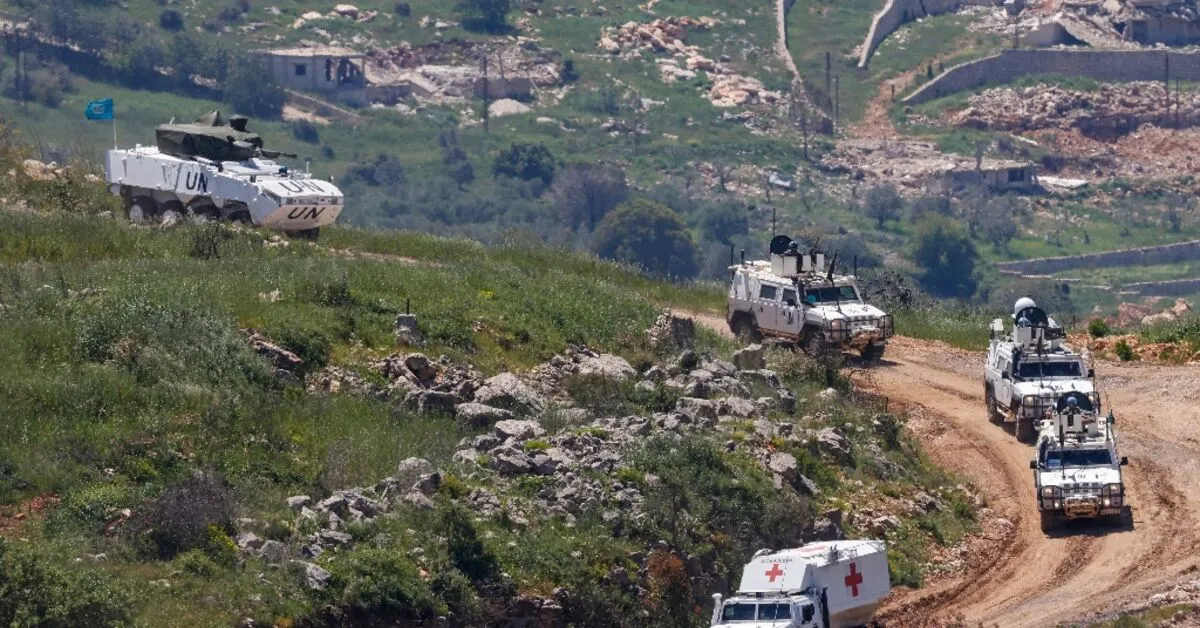
In August, the UN Security Council, under United States pressure, mandated the termination of the United Nations Interim Force in Lebanon (UNIFIL) by December 31, 2026. However, the Council requested Guterres to present options by June 1 for the continued presence of UN peacekeepers, primarily for monitoring the Blue Line, the 120-kilometer de facto border between Lebanon and Israel, which is currently a focal point of the Israel-Hezbollah conflict.
In a report submitted to the Security Council, Guterres outlined three proposals, varying in size from nearly 2,000 to over 5,500 personnel. These options aim to oversee the ceasefire and provide support to the Lebanese armed forces. The report emphasizes that "under all proposed options, a uniformed United Nations presence working to facilitate de-escalation, dialogue, liaison and coordination, and support for the Lebanese Armed Forces, would be necessary... towards the overarching objective of a long-term solution to the conflict."
Concerns regarding the potential withdrawal of UNIFIL are amplified by the presence of Israeli troops in southern Lebanon's border regions and ongoing direct negotiations between Israel and Lebanon aimed at resolving decades of hostilities. UNIFIL currently comprises approximately 7,500 peacekeepers from nearly 50 countries, deployed in southern Lebanon near the Blue Line. While the force has served as a buffer since 1978, its presence has not prevented recurrent conflicts.
Lebanon, which has pledged to disarm Hezbollah, reportedly supports maintaining a UN presence post-UNIFIL. Lebanon's Ambassador to the UN, Ahmad Arafa, expressed gratitude for Guterres' report, stating, "Recent developments have only heightened Lebanon's urgent need for continued UN and international assistance, specifically to facilitate an Israeli withdrawal on the one hand, and to enable the state to extend its authority over its entire territory on the other."
Several Security Council members, including China and Russia, also advocate for replacing UNIFIL. China's UN envoy, Fu Cong, remarked, "As Unifil's mandate is about to expire, the Security Council must make a responsible decision to ensure the continued UN presence in Lebanon, and to prevent a security vacuum." Conversely, the United States and its close ally Israel welcomed the August decision to end UNIFIL's mandate, with the Trump administration having previously questioned the efficacy of UN peacekeeping missions and reduced US financial contributions.