Israel has framed its recapture of the Crusader-era Beaufort fortress as a significant development in its offensive against Hezbollah. However, the operation has simultaneously intensified concerns about a potential new quagmire in southern Lebanon, echoing past entanglements.
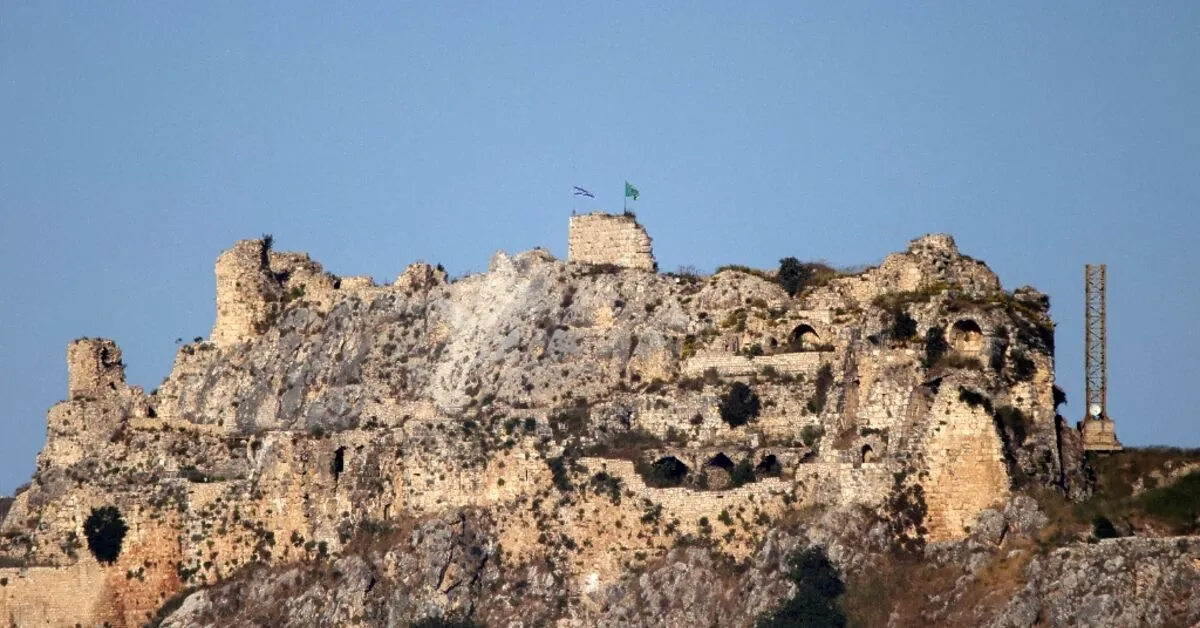
Israeli authorities highlighted the symbolic significance of Beaufort, strategically positioned on a rocky outcrop, upon announcing its capture, which was documented by military drones. This event occurred nearly 44 years after Israeli forces first seized the commanding position overlooking a valley, establishing it as a crucial base during their two-decade occupation of southern Lebanon. By swiftly disseminating footage of troops entering the fortress, the military invoked a memorable 1982 image featuring then-Defence Minister Ariel Sharon and Prime Minister Menahem Begin at the same location.
For many Israelis, the fortress represents not a triumph, but rather a costly and ultimately unsuccessful military engagement aimed at eradicating Hezbollah. Nadav Pollak, a professor at Reichman University, critiqued the operation on X, stating, "The conquest of Beaufort is the most blatant sign that we haven't learned a thing," describing it as a "stupid PR photo-op" and a symbol of the folly of prolonged Israeli presence in southern Lebanon. This sentiment arises from the experience of over 1,200 Israeli soldiers killed and thousands more wounded before the withdrawal in 2000.
Despite these historical parallels, the Israeli military asserts the site's strategic importance, noting that Hezbollah has launched approximately 400 projectiles toward Israel from the area since hostilities resumed in early March. Avigdor Kahalani, who led the 1982 assault on Beaufort, acknowledged the fierce battles fought against entrenched Palestine Liberation Organization fighters at the time. While expressing satisfaction at seeing the Israeli flag fly over the fortress again, he characterized the operation as a symbolic milestone and a prelude to further northward operations, rather than a definitive turning point. Kahalani emphasized, "I will be excited the moment they will destroy Hezbollah."
Lebanese authorities have indicated that Hezbollah has accepted a US proposal for a mutual cessation of hostilities. Concurrently, Prime Minister Benjamin Netanyahu has vowed to continue operations in southern Lebanon, aiming to establish a security zone up to the Litani River, approximately 30 kilometers from the Israeli border. Sarit Zehavi, a reserve lieutenant-colonel and expert on Israeli northern border security, believes Israel has a "historic opportunity" to neutralize Hezbollah, viewing it as weakened due to international pressure on Iran and Lebanon's internal dialogue with Israel.
However, analysts like Sam Heller of the Century Foundation remain skeptical. Heller suggests that the images from Beaufort do little to alter the probable outcome: a new, protracted entanglement in Lebanon. He identifies Hezbollah's explosive drones as a primary challenge, arguing that a buffer zone in southern Lebanon would not effectively counter this threat, for which Israel currently lacks a decisive countermeasure. Despite such concerns, Kahalani expressed confidence in the military's ability to find solutions, stating, "I think the Israelis don't have a dream to stay there," but adding, "we have to destroy the Hezbollah. This is the moment."