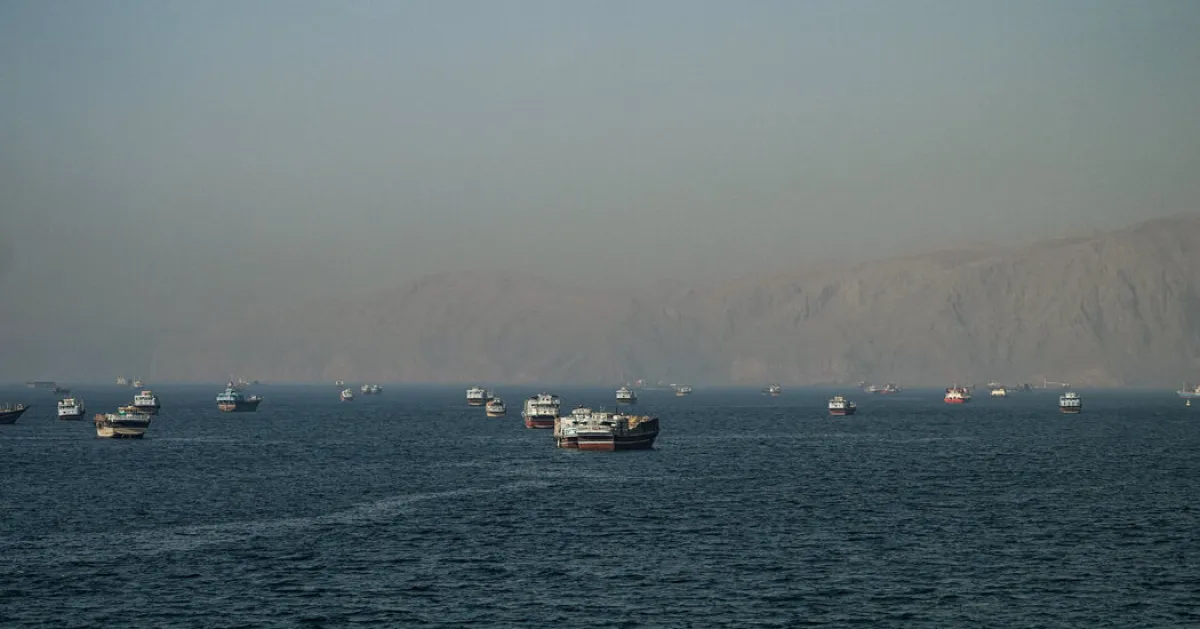
In mid-February, Iran's Islamic Revolutionary Guards Corps conducted live-fire drills in the Strait of Hormuz, an exercise publicly named "Smart Control of the Strait of Hormuz," which served as a significant warning to the Trump administration that appears to have been largely disregarded.
Shortly after President Trump initiated actions against Iran, the Iranian military asserted control over the crucial waterway, disrupting commercial shipping with boats, missiles, and drones. This action led to a surge in energy prices and placed the U.S. president in a difficult strategic position.
Three months later, Iran's dominance of the strait has become a formidable tool, providing significant leverage in negotiations with the Trump administration concerning Iran's nuclear program. President Trump has publicly expressed frustration with the situation, including a social media post demanding Iran reopen the strait or face severe consequences.
However, Iran's actions have been characterized by former U.S. officials, who have extensively simulated Tehran's potential responses to a U.S. attack, as neither irrational nor unexpected.