The intricate and protracted nature of U.S.-Iran negotiations is attributed to a complex web of geopolitical factors and divergent national interests, prolonging diplomatic efforts.
Recent analyses and commentary highlight that the lengthy duration of these discussions stems from significant policy disagreements and trust deficits between the two nations. These obstacles impede swift progress toward any potential agreements.
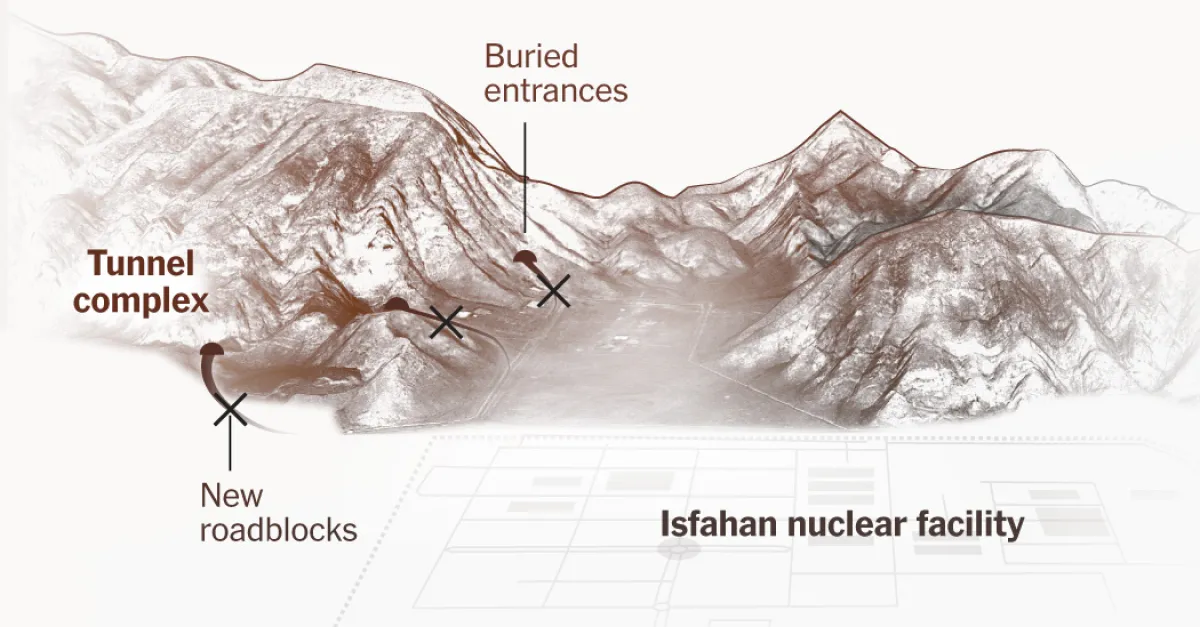
The negotiations encompass a range of critical issues, including but not limited to nuclear program oversight, regional security concerns, and the lifting of economic sanctions. Each of these areas presents unique challenges requiring careful consideration and robust compromise.
Experts suggest that domestic political considerations within both the United States and Iran also play a substantial role in shaping negotiation strategies and timelines. These internal dynamics can introduce additional layers of complexity, making resolution more difficult.
The ongoing delays underscore the high stakes involved and the meticulous approach required to navigate the sensitive diplomatic landscape. The international community remains closely observant of these developments.