The United States military conducted strikes on Iranian radar sites following the downing of drones near the Strait of Hormuz, escalating tensions despite simultaneous efforts to facilitate the Iranian national football team's travel to the FIFA World Cup. The exchange of fire threatened to undermine an already fragile ceasefire in a conflict that has persisted for nearly 100 days.
The US military confirmed that its forces intercepted drones destined for the Strait of Hormuz and subsequently targeted Iranian coastal radar installations in Goruk and on Qeshm Island, citing an immediate threat to regional maritime traffic. Shortly after these actions, air raid sirens were heard in Kuwait and Bahrain, with explosions reported by local correspondents. Iran's Revolutionary Guards stated that they retaliated by targeting "enemy bases in the area" with missiles in response to what they described as a US "invasion" of Iranian islands.
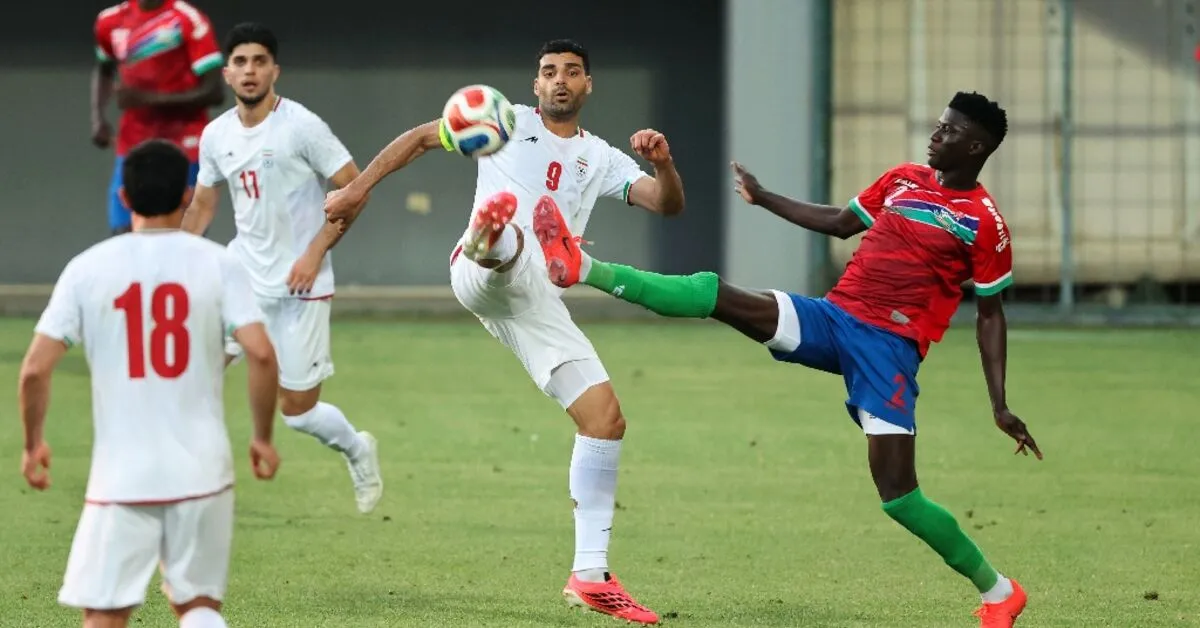
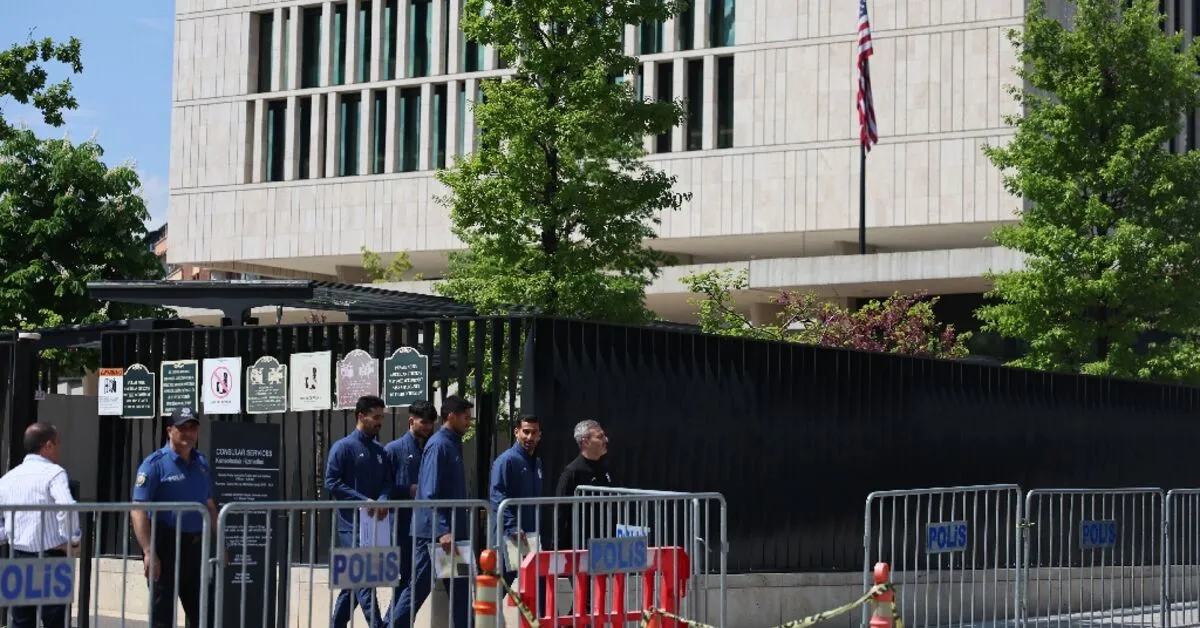
US Central Command (CENTCOM) reported that Iran launched seven ballistic missiles toward Kuwait and Bahrain, with six being intercepted and the seventh failing to reach its intended target. CENTCOM refuted Iranian claims of damaging US 5th fleet headquarters in Bahrain, asserting that there were no reports of harm to US personnel. This latest confrontation occurred as the US processed visas for Iran's World Cup footballers, with US Ambassador to Turkey Tom Barrack confirming the issuances and emphasizing the unifying power of sports.
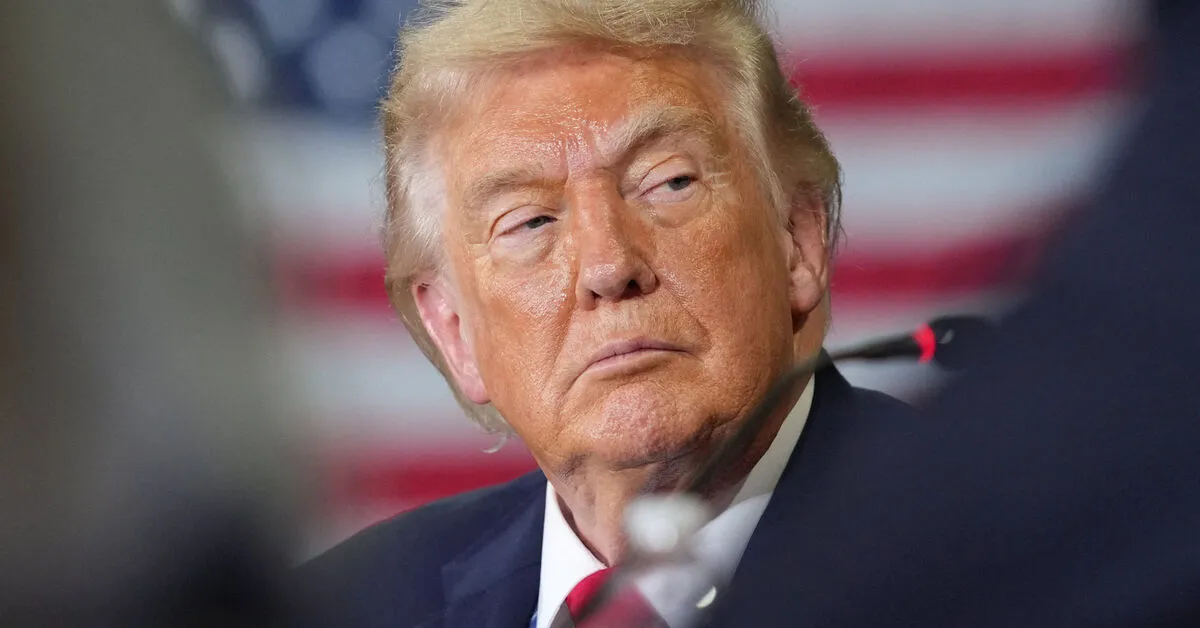
However, reports indicated that visas had not yet been issued for some members of the Iranian team's technical and executive staff. An unnamed US administration official stated that the team would not be permitted to exploit the visa system to infiltrate the United States. The team's itinerary included travel from Turkey to Spain on Saturday before proceeding to their base camp in Mexico.
The conflict, initiated approximately 100 days prior by US and Israeli strikes that eliminated Iran's top leadership, has seen a ceasefire in place since April 8. However, diplomatic efforts to secure a permanent resolution and reopen the Strait of Hormuz, a critical energy transit route, have been hampered by recurrent violence. Efforts to transform the truce into a lasting settlement have repeatedly stalled, impacting global markets and increasing political pressure on the US administration.
Meanwhile, Lebanon, which has been drawn into the wider conflict, appealed to Iran to cease its interference in its affairs. Lebanese Prime Minister Nawaf Salam urged Iran to stop using southern Lebanon and its people as a "bargaining chip." Iran, in its peace negotiations with Washington, has maintained that the conflicts in Lebanon and the Persian Gulf are interconnected, while also insisting on the release of frozen Iranian assets.