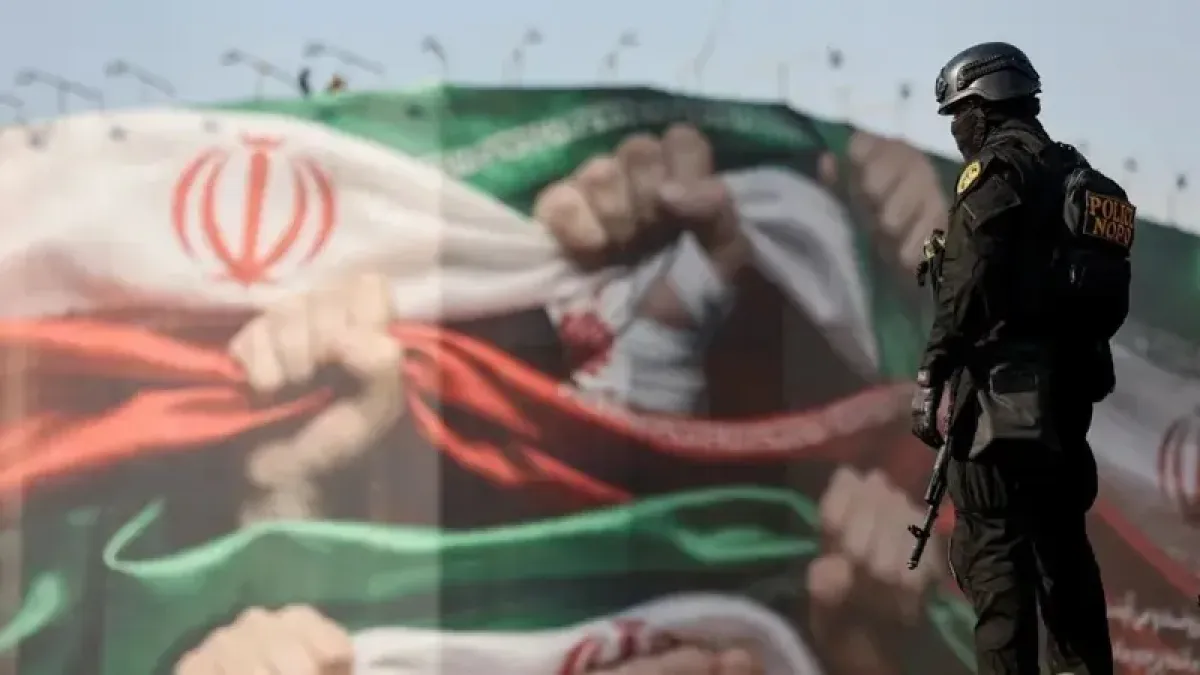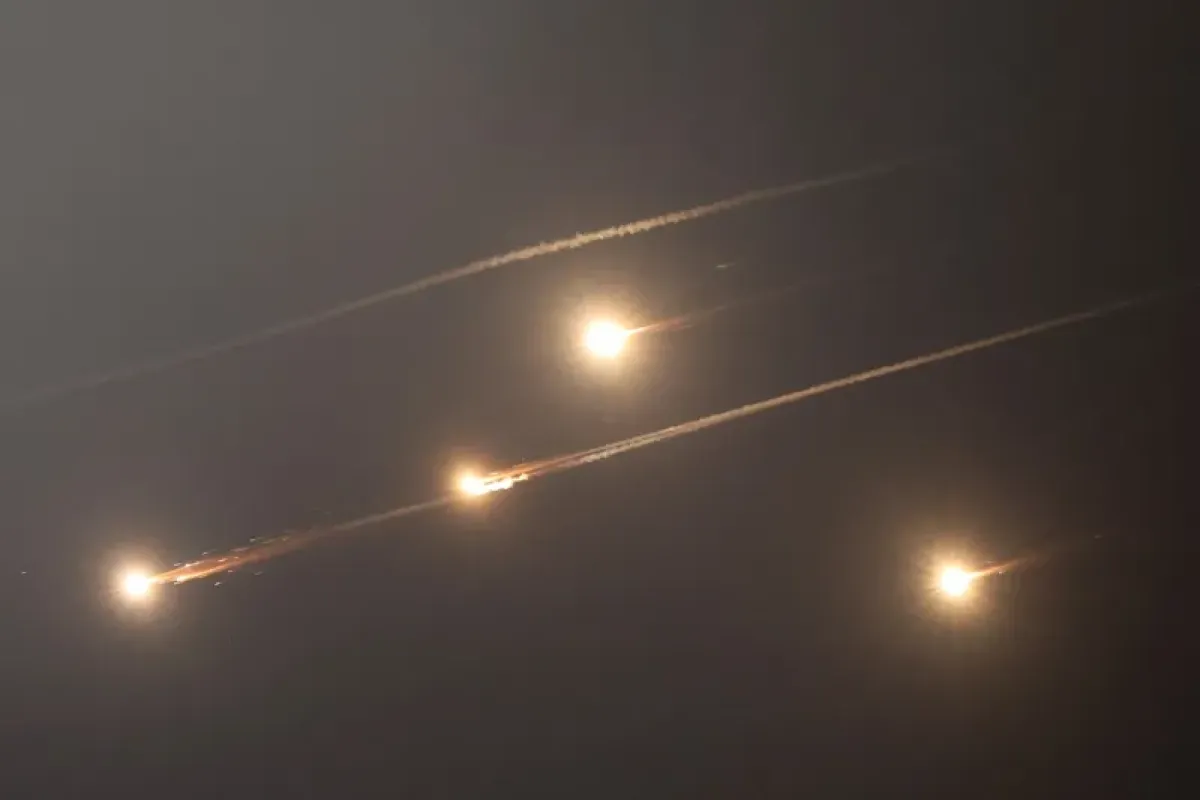
Iran and Israel have engaged in a significant exchange of missile and air strikes, escalating regional tensions and potentially undermining diplomatic efforts to de-escalate existing conflicts. This latest development marks a dangerous turn in the ongoing confrontation, raising concerns of a wider war.
Early Monday morning saw a mutual escalation, with Iranian media reporting ballistic missile launches toward Israel. This was followed by the activation of widespread air defense systems, with alarms sounding in multiple locations including Dimona, Be'er Sheva, the eastern and southern Negev, and Jerusalem. Israeli media indicated that explosions were heard in the Jerusalem area and north of the Dead Sea, with initial assessments suggesting they were the result of intercepted missiles or falling debris.
The Iranian strikes came hours after the Israeli military announced it had conducted what it described as the "first wave" of aerial strikes against Iranian military targets in the central and western parts of the country. This action was framed as a response to recent missile attacks on Israel.
The Israeli military confirmed that dozens of fighter jets participated in a large-scale operation targeting strategic defense systems belonging to Iranian forces. The military statement noted the destruction of air defense systems, long-range radars, and monitoring systems that Tehran had been rehabilitating. Additional military sites in western and central Iran were reportedly targeted. Iranian media reported explosions in Tehran, Tabriz, Isfahan, Kermanshah, and Karaj. In a precautionary measure, Iranian authorities closed the airspace around Imam Khomeini International Airport in Tehran following the reported attacks.
This reciprocal escalation highlights the fragility of existing understandings between the two nations and fuels growing concerns about the collapse of political initiatives led by the United States and its regional partners aimed at containing the conflict and preventing the region from descending into a broader war. Despite the ongoing military operations, Iran has maintained that indirect talks with the United States are continuing via a Pakistani mediator, emphasizing that diplomatic consultations "continue under all circumstances," as stated by Iranian Foreign Ministry spokesperson Ismail Baqaei.
However, observers believe the continued exchange of strikes presents a severe test for ongoing negotiations, particularly given rising domestic pressures on both sides and the widening scope of military confrontation. This situation could impede any progress toward an agreement aimed at ending wars and reducing regional tensions. In a sign of international concern over the potential for open confrontation, U.S. President Donald Trump called for an immediate ceasefire between Iran and Israel, urging both sides to halt military operations and return to a path of de-escalation.
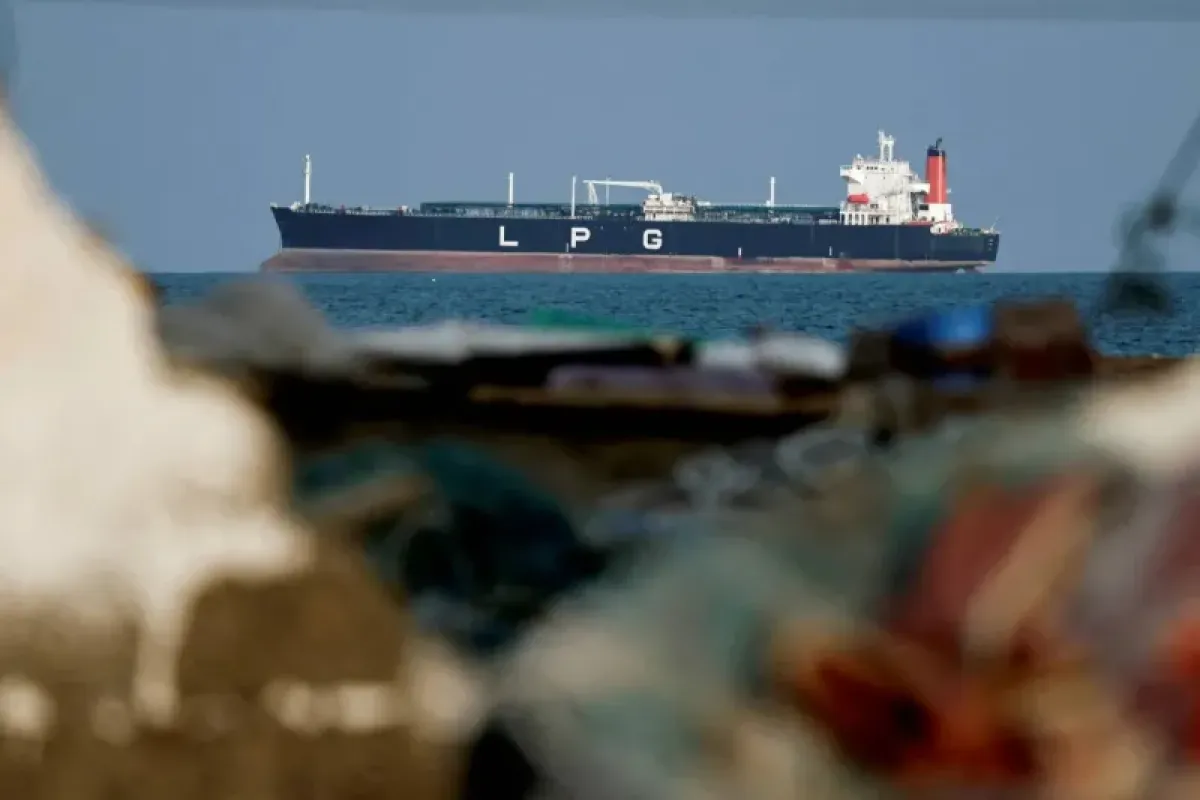
Media reports also indicated that President Trump had asked Israeli Prime Minister Benjamin Netanyahu to exercise restraint and refrain from further attacks. However, Israeli strikes occurred hours after these calls, underscoring the complexity of international efforts to contain the crisis. A U.S. official confirmed that the United States did not participate in the recent Israeli strikes on Iran, describing the attacks as "relatively limited" in scope, seemingly an effort to prevent the current confrontation from evolving into an all-out regional war. Analysts suggest that the persistent reciprocal strikes not only jeopardize prospects for a political settlement but could also push the region into a more perilous phase, especially if the confrontation expands to include other regional actors or impacts global maritime routes and energy markets.