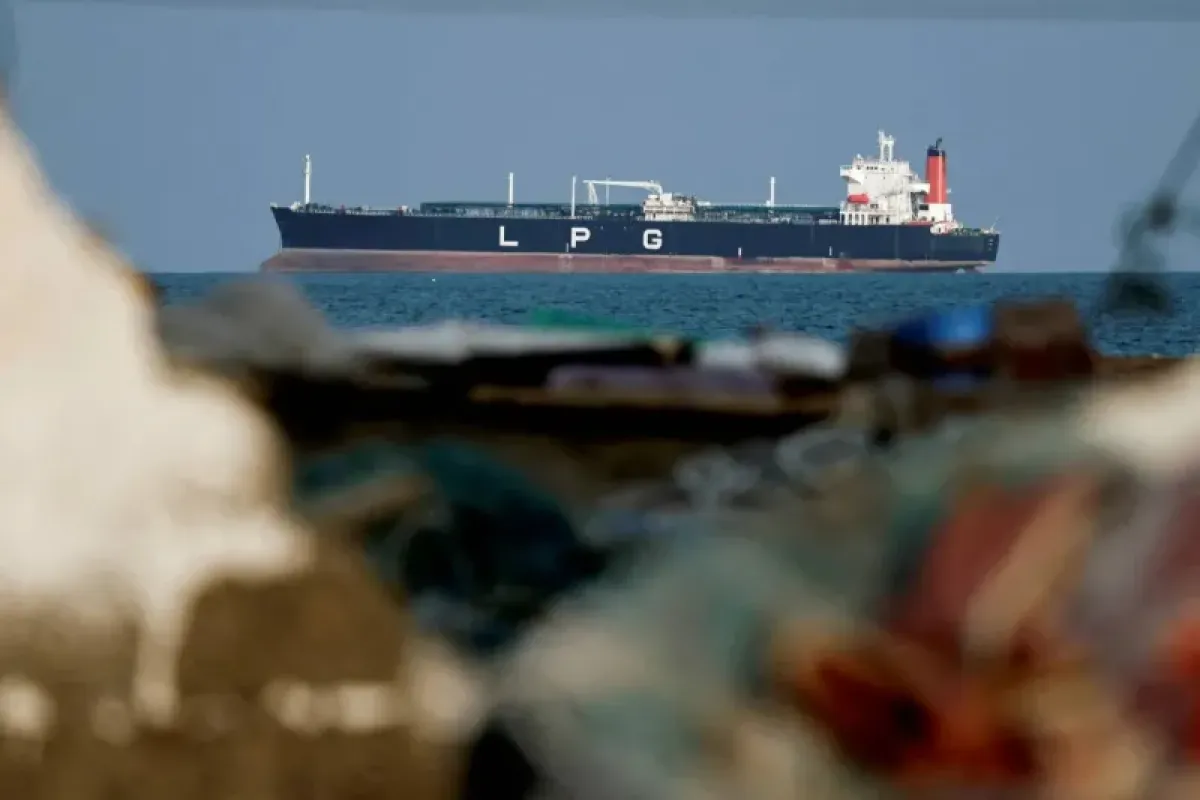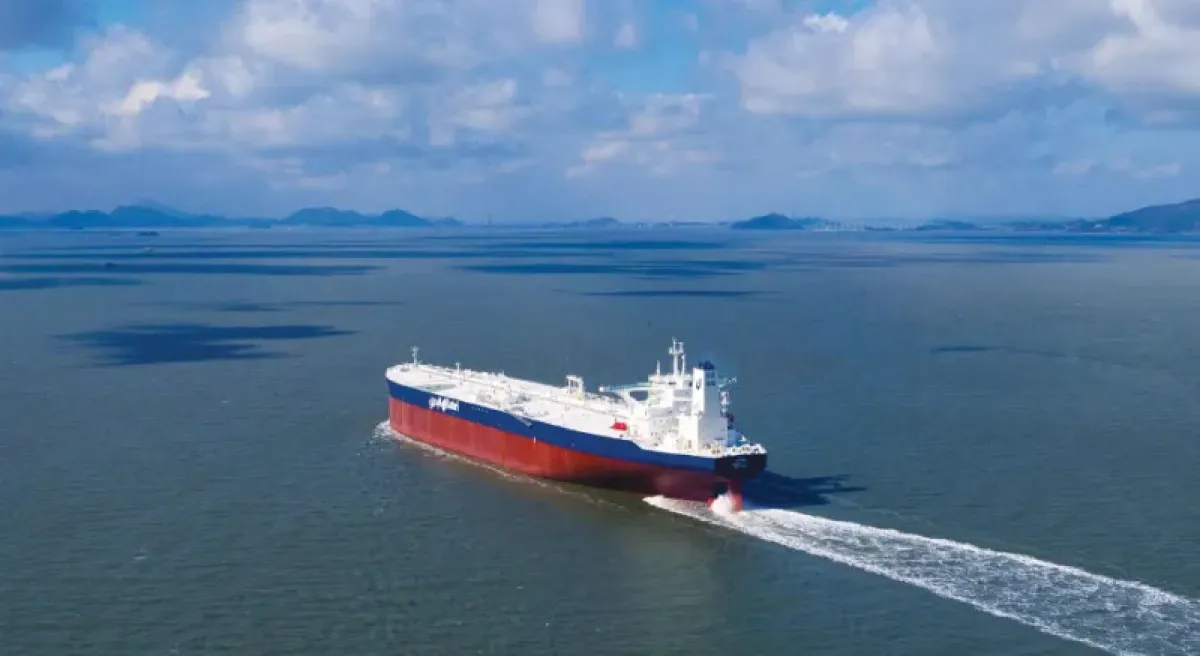
Two oil tankers carrying Saudi crude have altered their course in the Red Sea due to threats from Iran-backed Houthi militias, signaling an escalation in risks to international shipping.
Shipping data from the London Stock Exchange Group indicated that the two vessels, bound for China and India, changed direction on Tuesday and headed back towards the Suez Canal. This decision followed Houthi threats targeting shipping companies operating in the region.
The diversion comes after the Houthi group announced a blockade on maritime navigation linked to Saudi Arabia. This move suggests a shift from political rhetoric to direct attempts to influence global trade and energy flows, leveraging Yemen's strategic location on the Red Sea and the Bab el-Mandeb Strait.
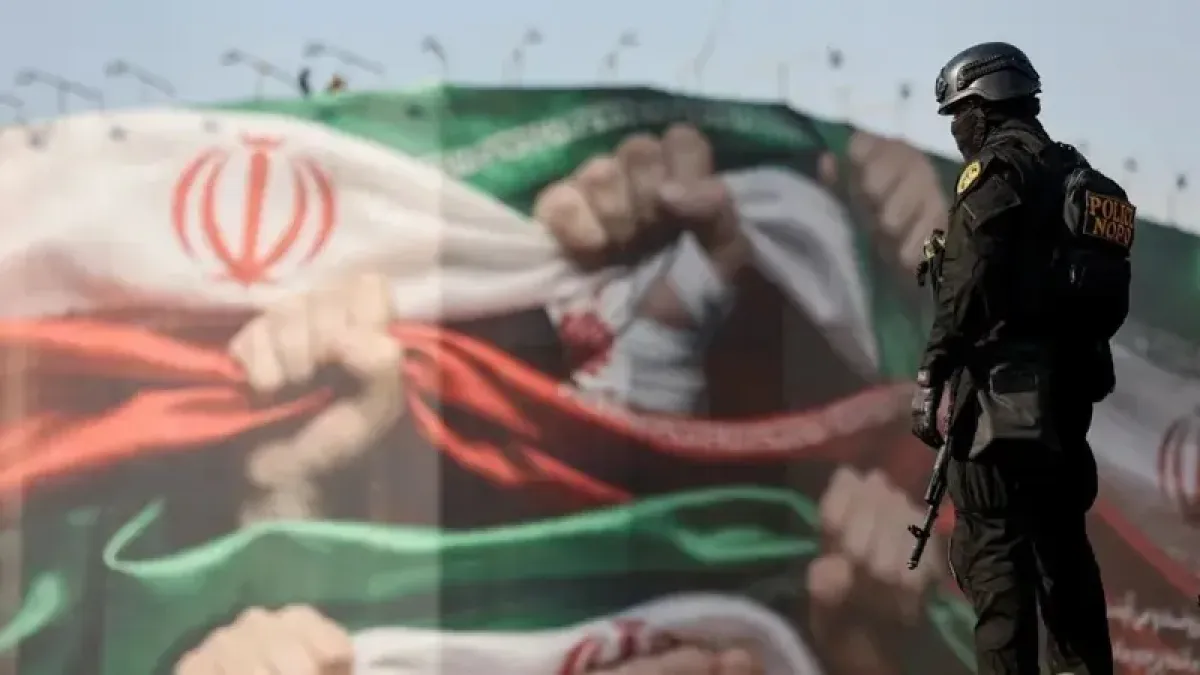
These developments represent a serious escalation, adding another layer to regional tensions, particularly amid ongoing confrontations between the United States and Iran. Concerns are mounting that the Houthis could be used as a proxy by Iran to open a new maritime front, alleviating pressure on Tehran and disrupting international interests in a critical global trade artery.
The Red Sea and the Suez Canal are vital conduits for energy and goods transit between Asia and Europe. Persistent threats to maritime security in this area could compel shipping companies and tanker owners to seek alternative routes, leading to increased transportation and insurance costs, and exacerbating risks to oil supplies and global markets.
The situation was further underscored by a message from the Iran-aligned Houthi group in Sana'a, issued via their "Humanitarian Operations Coordination Center" to shipping companies. The group warned against loading or unloading goods at Saudi ports, threatening to target any vessels found in violation "anywhere within the scope of their operations."
The message, dated July 20, stated that vessels dealing with Saudi ports would be subject to what it termed "sanctions," urging companies to exercise extreme caution in their dealings. Observers have interpreted this as an attempt to establish a maritime reality outside the framework of international law.
Experts caution that the continuation of this approach could widen the scope of threats to include more commercial vessels and energy tankers, potentially transforming the Red Sea into an open confrontation zone and amplifying the repercussions of the regional conflict on the global economy. Disrupted shipping traffic in the region could also revive concerns about supply chain crises experienced globally in recent years, given the Red Sea's significance as a primary route for oil, gas, and commodity shipments between East and West.