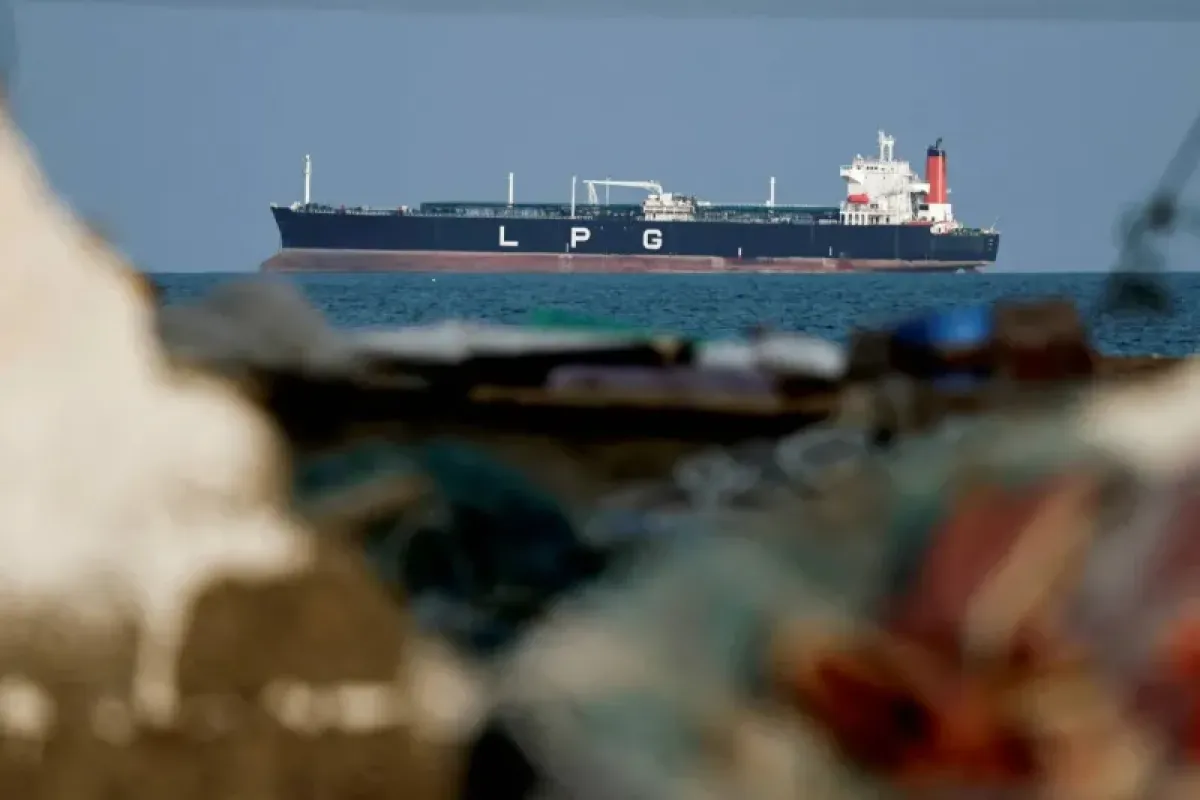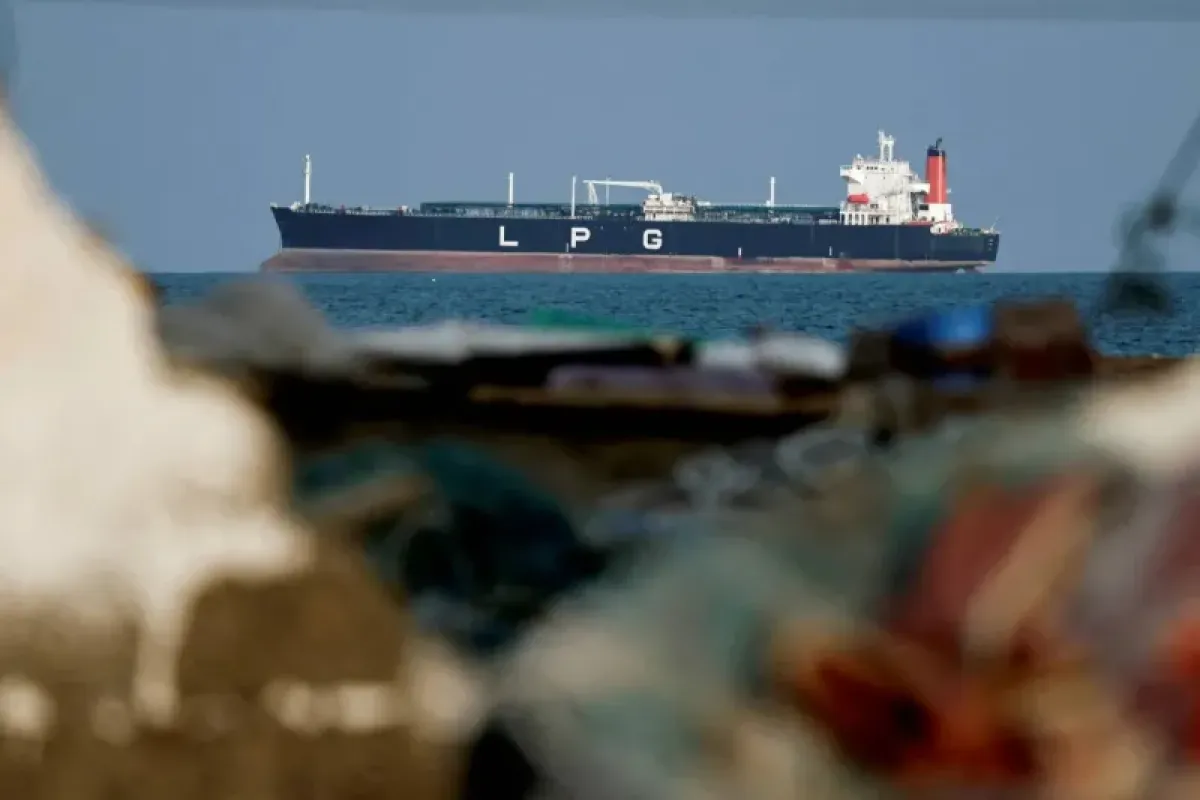
The security crisis in the Strait of Hormuz has entered a more dangerous phase following an Iranian attack on two UAE oil tankers, Mumbasa and Al-Bahia, within Omani territorial waters. This development signals a widening threat to global energy supplies and a shift from targeting vessels to establishing a new military reality for oil and gas transit.
The UAE Ministry of Defence reported that the tankers were struck by two Iranian cruise missiles. The attack resulted in the death of one Indian crew member on the Mumbasa and injuries to eight others, including four critically. Both vessels sustained damage and fires, which were subsequently brought under control.
The UAE condemned the incident as a grave violation of international law and a direct threat to regional stability, reserving the right to retaliate and take necessary measures to protect its national security and interests. The Ministry of Foreign Affairs characterized the targeting of commercial vessels and the use of the Strait of Hormuz for economic coercion as a blatant infringement of international navigation freedom, endangering global energy security. It urged Iran to cease its attacks and fully reopen the Strait unconditionally.
The attack's significance extends beyond human and material losses, as it occurred within Omani territorial waters, not Iranian territory. Analysts view this as an unprecedented escalation, expanding military operations beyond Iran's maritime jurisdiction. This shift indicates Iran's evolving tactics, moving beyond leveraging its geographical position to directly targeting civilian ships in waterways under other nations' sovereignty, challenging international law and the UN Convention on the Law of the Sea.
Maritime experts suggest that shifting attacks to the Omani side of the Strait diminishes safe navigation options for commercial vessels, increasing risks to oil and gas exports from Gulf states to global markets. This incident follows a series of maritime assaults in the Strait of Hormuz and the Gulf of Oman in recent weeks, with the International Maritime Organization recording numerous incidents affecting commercial ships near Omani coasts.
The International Maritime Organization reported 53 maritime incidents confirmed by July 13, resulting in the deaths of 14 seafarers before the latest UAE tanker attacks, highlighting the escalating threats to international navigation. The Secretary-General of the IMO has warned of continued targeting of commercial vessels, jeopardizing seafarers' lives, with hundreds of ships and thousands of sailors stranded due to the deteriorating security situation.
The Strait of Hormuz is a critical global maritime route, essential for a significant portion of oil and gas exports from Gulf countries. Any military escalation there directly impacts global energy markets and international supply chains. Analysts believe the timing of these attacks on civilian tankers carries messages beyond the military, aiming to use energy security as leverage in regional and international confrontations, particularly amidst increasing US pressure on Iran.
Concurrently, the United States has intensified military operations against Iranian capabilities related to the Strait of Hormuz. US Central Command announced strikes targeting over 300 military objectives, including air defense systems, coastal radars, and anti-ship missile platforms. Washington has also resumed naval blockades on Iranian ports, intended to undermine capabilities used to threaten international navigation, while permitting passage for vessels not violating blockade measures.
Despite these strikes, the recent attack on the UAE tankers demonstrates Iran's continued capacity to conduct operations against commercial vessels and extend them into Omani waters. This raises concerns of the region entering a more complex phase, intertwining military confrontation with global trade and energy security. Analysts emphasize that continued attacks in the Strait of Hormuz not only threaten regional security but also present a new test for the global economy, given international markets' reliance on the stability of this vital corridor for oil and gas flow.