United Nations Special Envoy for Yemen, Hans Grundberg, has initiated a new round of military consultations in Amman, Jordan, aiming to revive stalled political peace efforts amid escalating regional tensions and an impending UN Security Council session on the crisis.
The technical meetings, held under the auspices of the Military Coordination Committee, involve representatives from the Yemeni government and the Saudi-led Coalition Joint Forces. This initiative represents an indirect negotiation track that has seen little progress in recent months, building upon previous discussions held in Amman in late April.
The Military Coordination Committee includes parties from the Yemeni government and the Coalition Joint Forces, alongside a delegation from the Houthi group. Its focus is on de-escalation on the ground, improving security mechanisms, and maintaining military dialogue channels, despite the absence of comprehensive political advancements.
According to UN sources, recent meetings have centered on assessing the current field situation. Observers note that the ongoing political stalemate, coupled with intermittent military tensions, limits the impact of these discussions in achieving a genuine breakthrough in the Yemeni crisis.
These diplomatic movements coincide with the UN Security Council's scheduled session on Yemen on June 16. The Special Envoy is expected to provide an update on developments, including prisoner exchange efforts and initiatives to foster a more stable negotiation environment, though significant challenges persist.
Analysts suggest that the current UN activities, while appearing intensive, are more indicative of crisis management than a genuine push towards resolution. Factors contributing to this include a persistent lack of trust between parties, divergent political and military priorities, and the fragmented political landscape within Yemen.
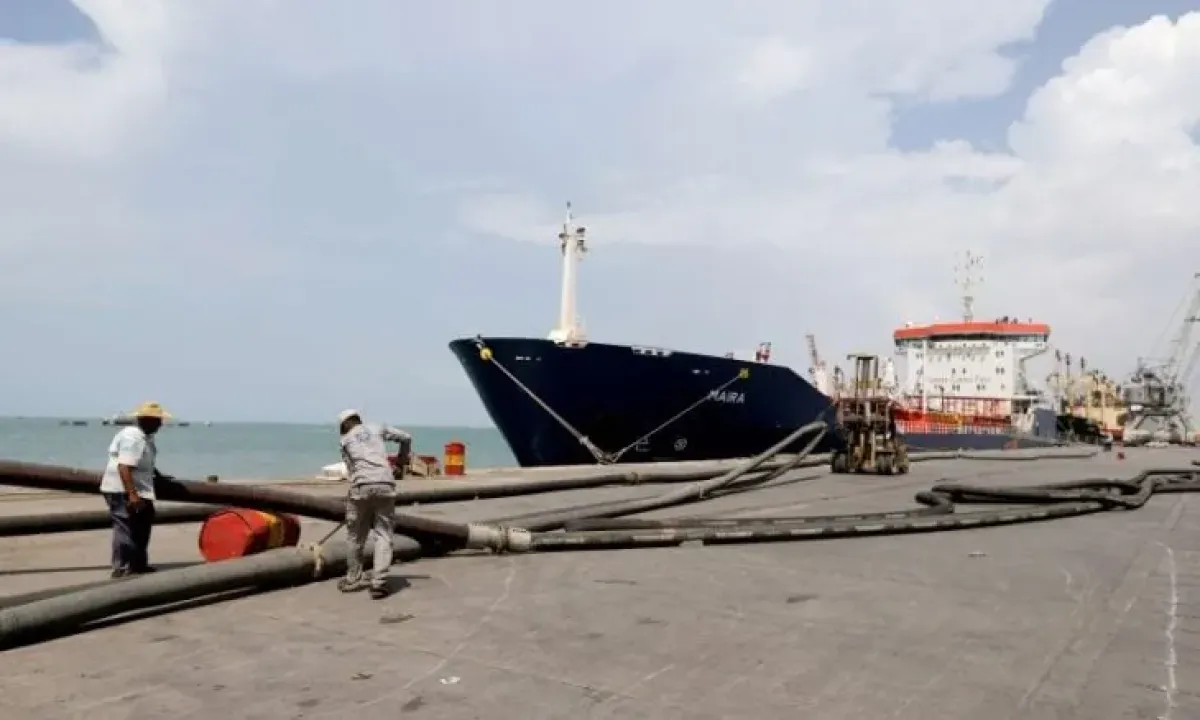
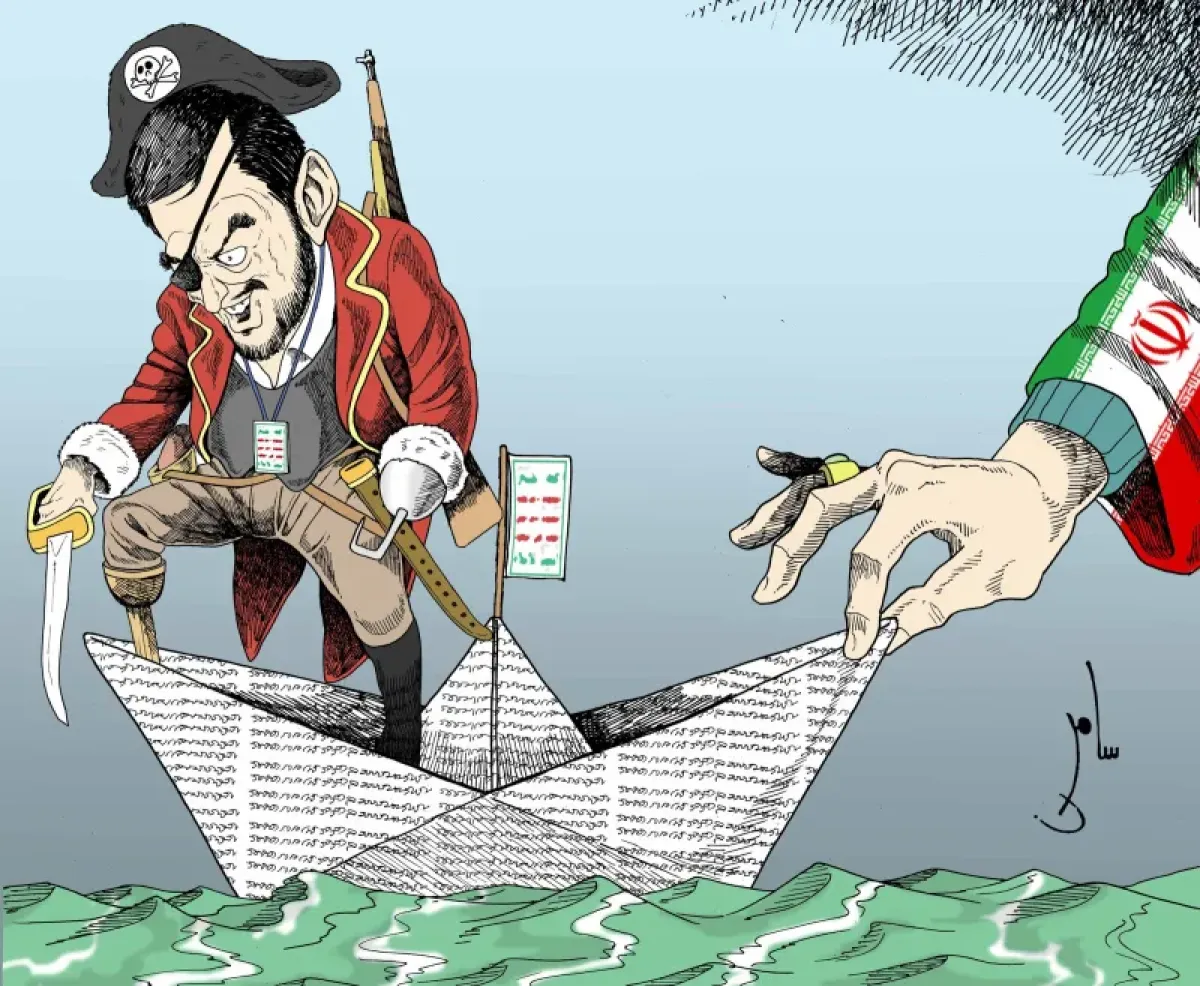
Furthermore, the fragile nature of the de-escalation process is exacerbated by regional tensions, which directly influence the Yemeni conflict. This includes rising threats in international shipping lanes, leading to economic and humanitarian repercussions such as increased transportation costs, reduced food supplies, and a worsening cost of living crisis.
The international community faces increasing difficulties in addressing the ongoing humanitarian collapse in Yemen. Complex restrictions on aid access, a deteriorating environment for humanitarian work, and the detention of UN and humanitarian staff further complicate the situation, diminishing the prospects for an effective response to the escalating needs of the population.