Socotra Island confronts a severe annual challenge as the monsoon season, from June to September, isolates the Yemeni archipelago and exacerbates existing economic, humanitarian, and service crises for its residents.
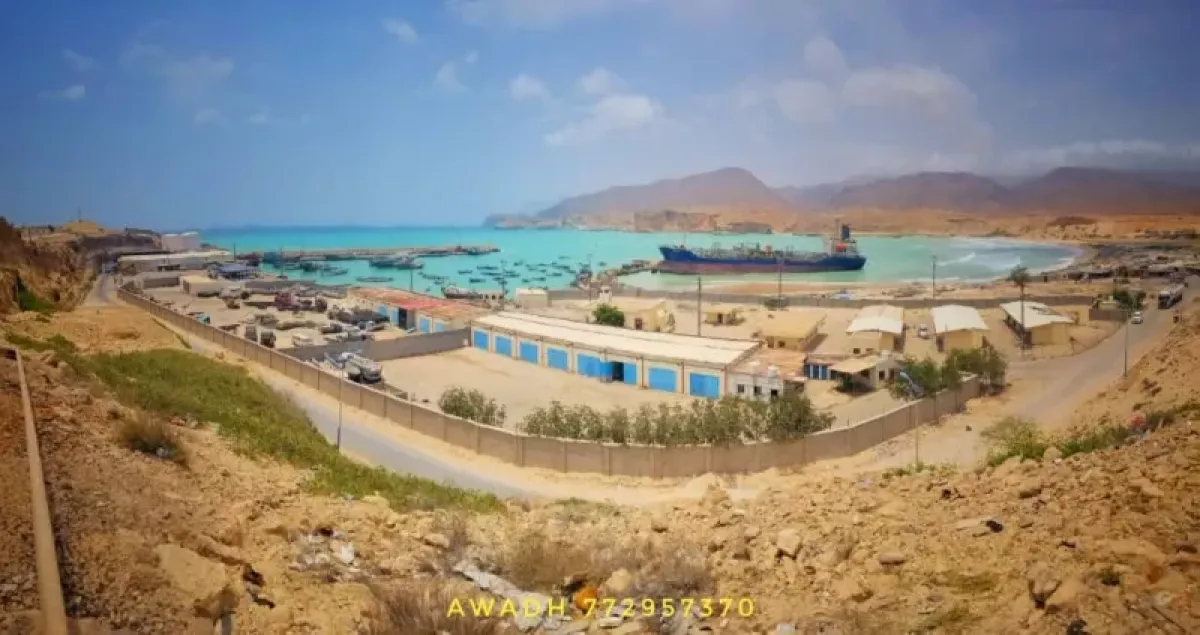
This period is characterized by intense winds, often exceeding 40 nautical miles per hour, and formidable waves that render maritime navigation nearly impossible. Consequently, shipping traffic halts, and the main port closes for extended durations due to the absence of adequate sea barriers to protect vessels and ensure safe docking and departures.
The impact of the monsoon extends beyond maritime activities, significantly curtailing air travel. Flight prices skyrocket, making travel for medical treatment, education, or emergency humanitarian needs an arduous and costly undertaking for most inhabitants. This recurring annual isolation prompts persistent questions about the lack of lasting solutions to a predictable crisis.
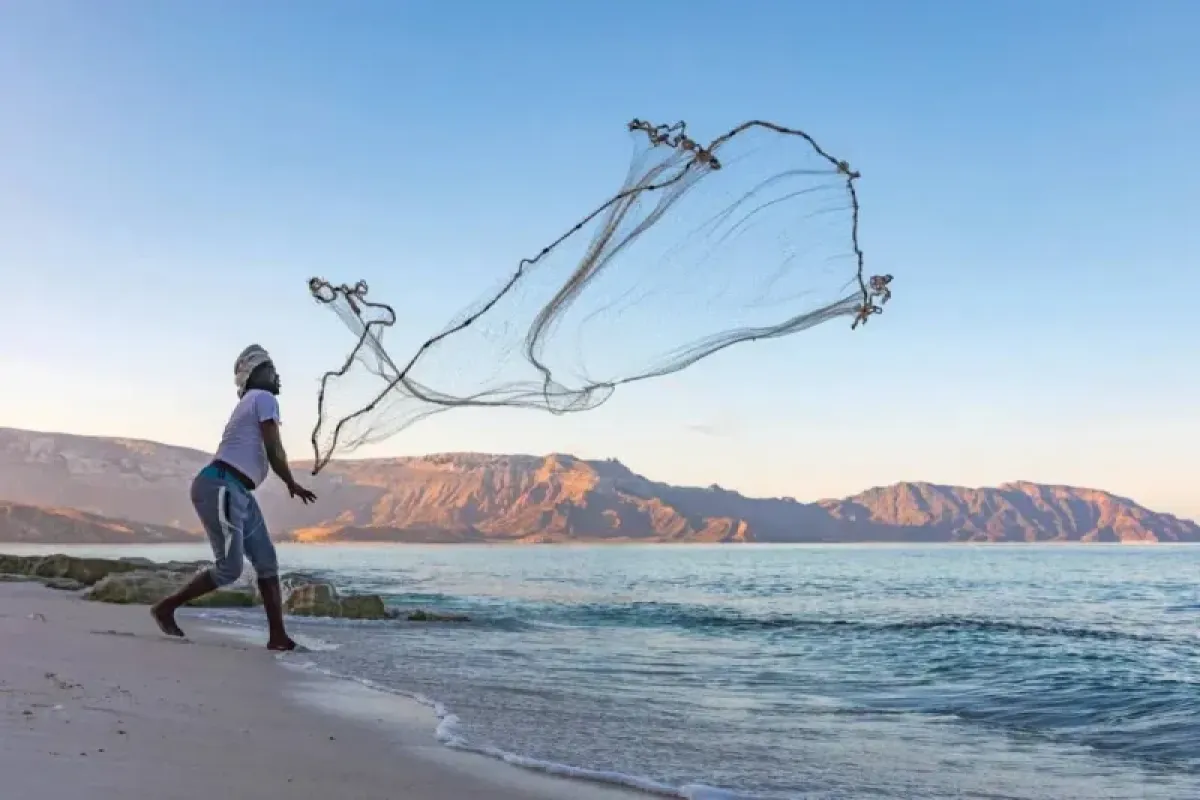
Economically, the monsoon season devastates thousands of Socotra families reliant on fishing. The cessation of fishing activities, locally termed "season of drought" or "harshness," leads to a sharp decline in market activity and local income. This coincides with rising prices for essential goods, medicine, and fuel due to delivery difficulties, intensifying the burden on citizens.
While the northern coasts endure the harshness of the monsoon, southern regions and central highlands experience cooler, foggy conditions with occasional seasonal rains, presenting a unique natural landscape. However, the sea remains perpetually rough, a state locals refer to as "Doomer," signifying its fury and rendering boat and ship movement unsafe.
Despite the predictable nature of the monsoon, strategic remedies such as constructing port breakwaters, establishing strategic reserves of essential goods, or subsidizing air transport remain absent. Socotra's residents urge relevant authorities to implement practical measures to mitigate the effects of seasonal isolation, warning that the continuation of current conditions exacerbates poverty, unemployment, and the island's overall vulnerability.
The annual monsoon has evolved from a climatic phenomenon into a symbol of recurring hardship for Socotra's population. A turbulent sea, closed port, limited flights, and escalating prices force the archipelago's people into a period of enforced isolation, while delayed institutional solutions remain the weakest link in this recurring summer cycle. Given its global environmental and strategic significance, Socotra requires a genuine development vision to alleviate its residents' suffering and transform the monsoon season from a crisis catalyst into a manageable challenge.