The United States and Iran have achieved an initial understanding regarding maritime security in the Strait of Hormuz and de-escalation efforts in Lebanon, following the first round of talks hosted in Switzerland. Mediators indicate that a broader agreement may be possible in the coming months.
According to statements from Qatari and Pakistani mediators, both parties have reached preliminary understandings that include a roadmap for a final agreement within 60 days. Technical meetings are scheduled to continue this week at the Bürgenstock Resort in Switzerland.
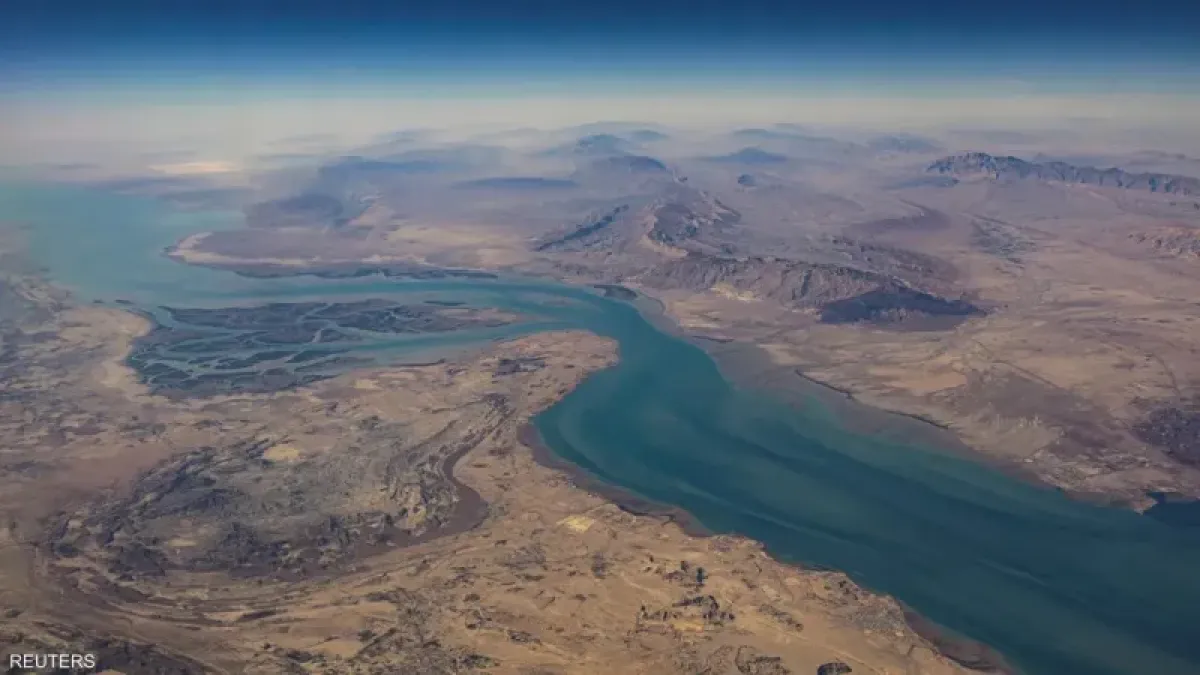
This development emerges after intensive discussions held amidst a tense atmosphere, which had previously included mutual threats concerning the closure of the Strait of Hormuz and military escalation in the region. The mediation efforts were instrumental in guiding both sides towards an understanding that ensures the resumption of secure navigation and establishes communication channels to address any emergencies in this vital maritime corridor.
The initial understanding also encompasses a mechanism for de-escalation in Lebanon, aimed at containing the confrontation between Israel and Hezbollah, which has been a significant focal point of regional tension recently.
Despite this progress, deep-seated disagreements persist between Washington and Tehran, particularly concerning the nuclear program and economic sanctions. Iran has linked any further progress to the fulfillment of previous economic commitments, including the release of frozen assets and the easing of restrictions on its oil exports.
Conversely, Washington seeks to leverage economic incentives within a gradual negotiation framework that secures concessions on security and regional issues. The mediation roles played by Qatar and Pakistan have been crucial in maintaining the dialogue and preventing its collapse, by bridging the gap between the two parties and establishing a 60-day negotiation framework.
Observers view the understanding concerning the Strait of Hormuz, one of the world's most critical maritime passages, as a potential turning point in regional tensions, given its direct impact on energy markets and international trade. The success of the agreement, however, remains contingent on its translation into practical measures on the ground in the coming weeks.