The Iran-backed Houthi militia has escalated threats of military action against Saudi Arabia and Yemeni government forces, appearing to divert attention from increasing popular discontent over deteriorating economic and humanitarian conditions in their controlled territories.
In recent days, the Houthi leadership has issued statements endorsing a call made by its leader last week for readiness to resume confrontations with the legitimacy forces and Saudi Arabia. These actions are framed under the pretext of an alleged "economic blockade" imposed by the coalition.
The Houthi leader has characterized the continued control of oil and gas production and export in liberated areas by the Saudi-backed government as "occupation" and a "comprehensive economic war" against the militia. He urged his forces to end what he termed "aggression, occupation, and blockade" to "benefit from national wealth," a move seen as an attempt to pressure the government and Riyadh into power-sharing of oil export revenues in exchange for continued military truce.
This directive, initially issued about a week ago, has been revived through supporting statements from Houthi-aligned bodies. The Houthi-controlled Parliament, for instance, issued a statement demanding an "increase in readiness levels to confront all possibilities," echoing the leader's claims of occupation, sovereignty violations, enemy control over oil and gas resources, and a "starvation blockade." A separate statement from the "General Mobilization Forces" announced their response to the Houthi leader's call to confront "aggression and occupation forces," end the blockade, and reclaim national rights and wealth, citing hundreds of thousands of trained and armed personnel recruited under the guise of supporting Gaza.
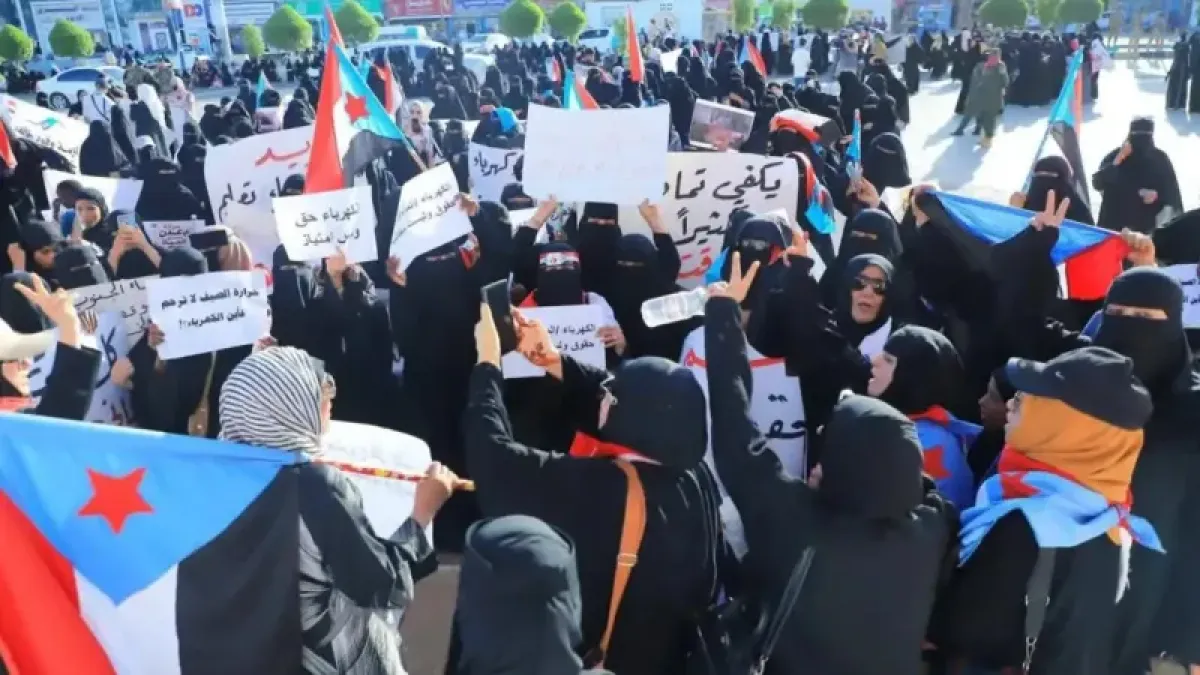
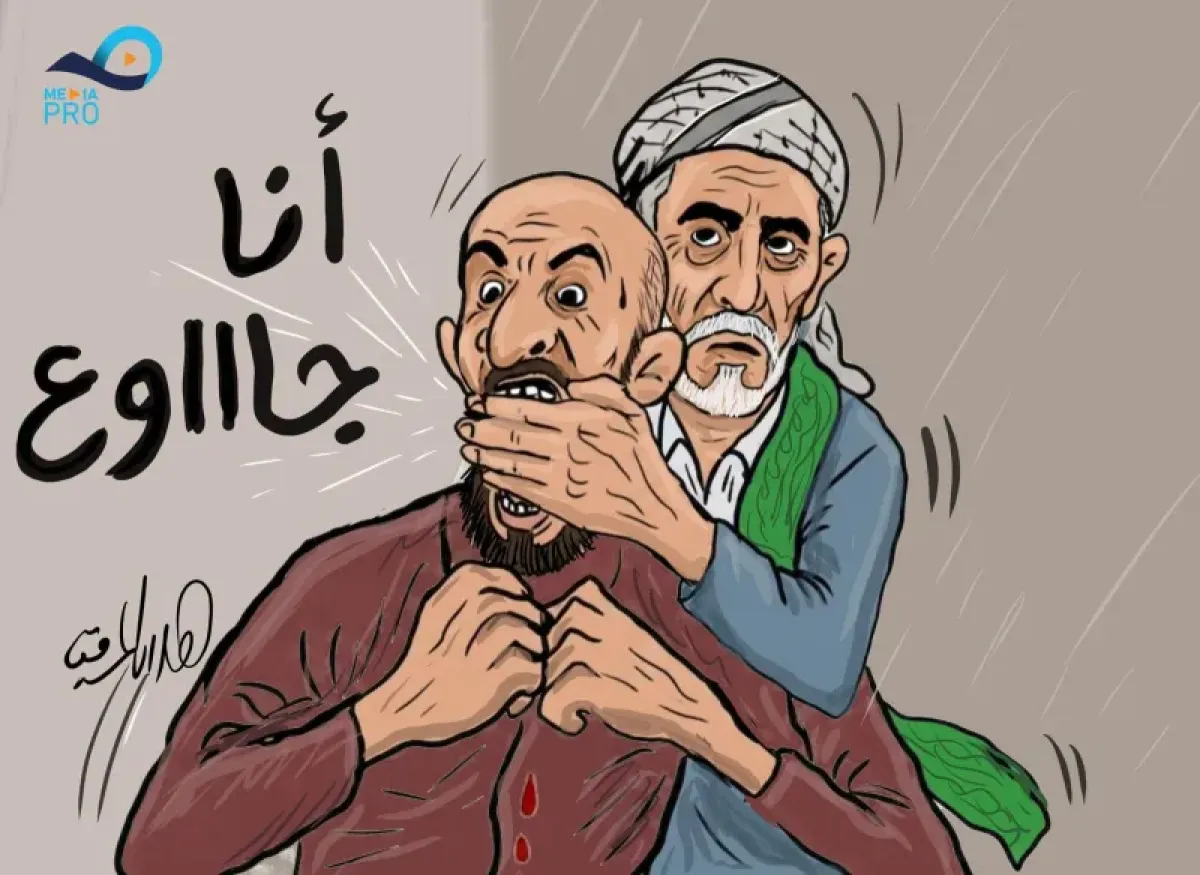
Observers view these threats as a Houthi attempt to circumvent unprecedented public anger over the dire economic and humanitarian situation within their areas of control. This is further evidenced by the public outcry and ridicule that met recent remarks by the Houthi government's prime minister, Mohammed Muftah, who dismissed citizens' complaints about the escalating humanitarian crisis on social media, advising them to seek work, even unpaid, rather than complain about living conditions.
The unprecedented public backlash against Muftah's statements, emanating from within Houthi-controlled regions, reflects the deep-seated popular frustration with the ongoing economic and livelihood deterioration caused by the militia's practices of looting and extortion. Analysts suggest that the Houthi leadership is attempting to redirect this public anger towards their adversaries, primarily the government and Saudi Arabia, by blaming them for the economic hardship and using the threat of war as a perceived solution to quell internal dissent.