New allegations have surfaced suggesting that local leadership in Yemen's Al-Mahrah and Hadhramaut governorates are complicit in facilitating smuggling operations, thereby undermining the government's efforts to rescue the national economy and halt a persistent financial collapse. These accusations emerge at a critical juncture as the Yemeni government grapples with intricate challenges to stabilize its economy, with claims indicating that internal institutional practices are jeopardizing economic reform initiatives by draining sovereign resources and diluting the impact of governmental measures.
Sources familiar with the matter have revealed that officials within the local administrations of Al-Mahrah and Hadhramaut are allegedly involved in enabling smuggling through key maritime ports. These actions are described as a direct blow to the government's objectives of reclaiming public resources and bolstering financial stability.
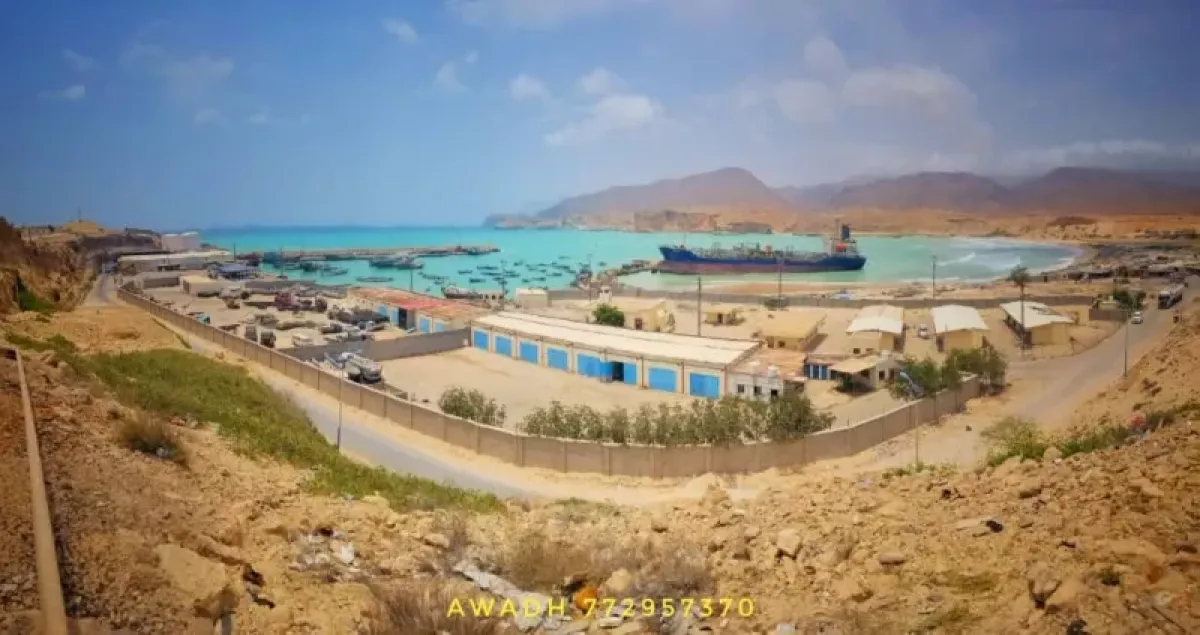
Specifically, reports detail alleged "regulated" smuggling activities at the Nishtun port in Al-Mahrah and the Ash-Shihr port in Hadhramaut. It is alleged that complicity from local leaders has allowed shipments and goods to pass without adhering to established legal and customs procedures. In Nishtun, repeated instances of fuel derivative smuggling, including a recent shipment of approximately 3,124 tons of diesel, have reportedly cost the state over one billion Yemeni rials in lost revenue. Economic circles argue that such illicit activities not only represent financial malfeasance but also directly impact the state's capacity to provide essential services and meet operational expenditures.
In Hadhramaut, similar accusations point to smuggling via the Ash-Shihr port, where small vessels are reportedly used to transport thousands of vehicles, spare parts, and cigarettes. These operations are estimated to have resulted in the loss of hundreds of millions of rials in customs and tax revenues, exacerbating the severe financial pressures and declining revenues currently faced by the public treasury.
Observers note the critical timing of these allegations, which coincide with the government's push to implement a comprehensive economic and financial reform plan, sanctioned by Presidential Leadership Council Resolution No. (11) of 2025. This plan aims to reorganize public resources and bring all ports and revenue streams under state control. Economists warn that continued smuggling through official ports sends negative signals to international institutions and government backers, eroding confidence in the state's ability to manage its resources effectively and transparently. Furthermore, the existence of influential entities controlling revenues outside official channels threatens to derail genuine efforts toward economic reform and financial stability.
Sources emphasize that these developments pose a direct challenge to the government's directives on enhancing financial governance, eliminating illegal levies, and rebuilding the state's revenue system. They stress that the success of any economic reform hinges on stemming the drain of public resources and combating the smuggling and corruption networks that profit from lax oversight at certain ports.
In response, the Ministry of Finance has reiterated its commitment to implementing the comprehensive economic reform plan, underscoring the necessity of firm action against any violations or smuggling operations that jeopardize public resource development. A ministry official stated that the current phase demands deterrent measures and zero tolerance for practices that deplete sovereign revenues, referencing confirmed involvement of local leaders in smuggling and resource mismanagement.
Analysts view these accusations as a significant test for the higher authorities, challenging their capacity to enforce the law and hold those involved accountable. This is particularly crucial given the dire economic conditions faced by Yemenis, where safeguarding every sovereign resource has become an urgent national imperative amidst currency depreciation, deteriorating public services, and widening humanitarian needs.
Experts maintain that the success of any economic reform program will not solely depend on decisions and plans but will require a decisive confrontation with centers of influence that benefit from administrative and financial disorder. They advocate for bringing all land, sea, and air ports under state authority to ensure that public resources serve the populace rather than become avenues for illicit enrichment at the expense of the national economy.