A comprehensive political analysis highlights Iran's "interconnected fronts" strategy as a key to understanding its regional actions and the roles of its allied militias. This strategy views Middle Eastern arenas as parts of a single, cohesive security and political system, extending from the Arabian Gulf through Iraq and Lebanon to the Red Sea and the Bab al-Mandab Strait.
The analysis, published by the London-based Al-Arab newspaper, argues that examining Iran's moves in isolation is insufficient. Tehran perceives regional spaces as interconnected components of a unified security and political framework. This approach allows Iran to broaden its maneuverability and deterrence capabilities against regional and international adversaries.
This strategy underscores Iran's belief that its national security extends beyond its geographical borders, with its true defense lines originating from spheres of political or military influence abroad. Over decades, Tehran has cultivated a vast network of allies and armed groups in several Arab nations, transforming them into instruments of influence and pressure that enable it to manage crises externally. The core of this strategy involves avoiding direct confrontation within Iranian territory by shifting conflict to multiple, interconnected fronts, making any engagement with Iran inherently complex and difficult to control.
Lebanon is presented as a prime example of this "interconnected fronts" concept, with Hezbollah functioning as a crucial arm of Iranian influence and a cornerstone of Tehran's deterrence system. Iran views Hezbollah not merely as an ally but as a strategic extension of its regional security apparatus, justifying the extensive political, military, and economic support provided. Developments concerning Hezbollah directly impact Iranian calculations, and Tehran links Lebanon's security arrangements to broader regional balances.
Iraq is depicted as a critical and sensitive sphere of Iranian influence, serving as both a geographical depth and a strategic corridor connecting Iran to Syria and Lebanon, thereby enhancing its regional power leverage. Iran has established intricate relationships with various Iraqi factions and armed groups, solidifying its presence in the Iraqi political and security landscape. Despite governmental efforts to consolidate state authority, Iranian influence remains potent in many sensitive Iraqi affairs. Iraq is vital not only for its political influence but also as the geographical artery linking the components of Iran's regional project.
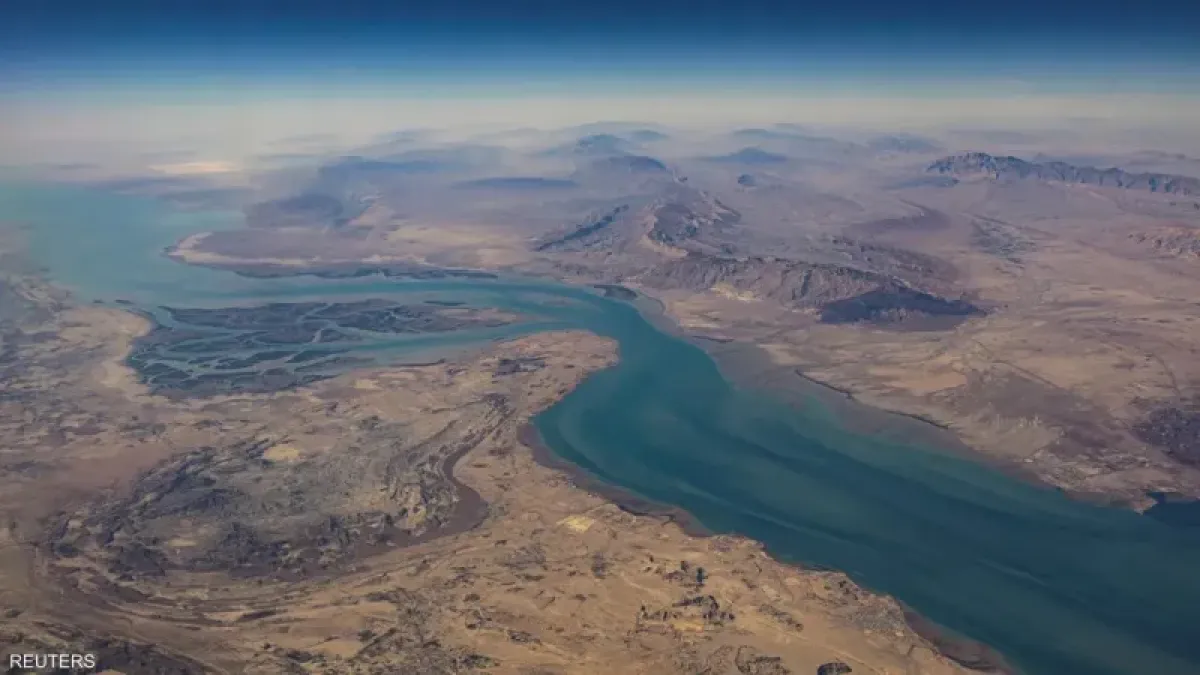
In the Arabian Gulf, the "interconnected fronts" strategy takes on a dimension closely tied to the global economy and energy security. The Strait of Hormuz is considered a significant strategic leverage point for Iran, given its role as a crucial waterway for international oil transport and trade. By influencing navigation security in the Strait, Tehran can project political and military messages globally. Threats to Gulf navigation are intrinsically linked to Iran's overarching strategy of expanding conflict and diversifying pressure points across multiple arenas simultaneously.
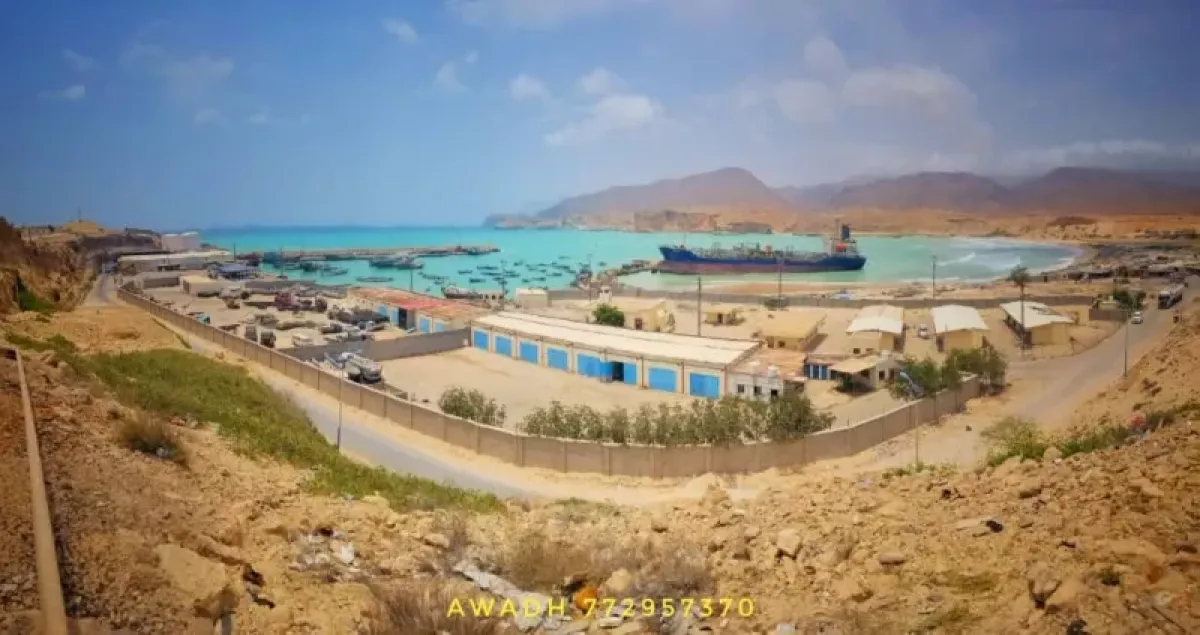
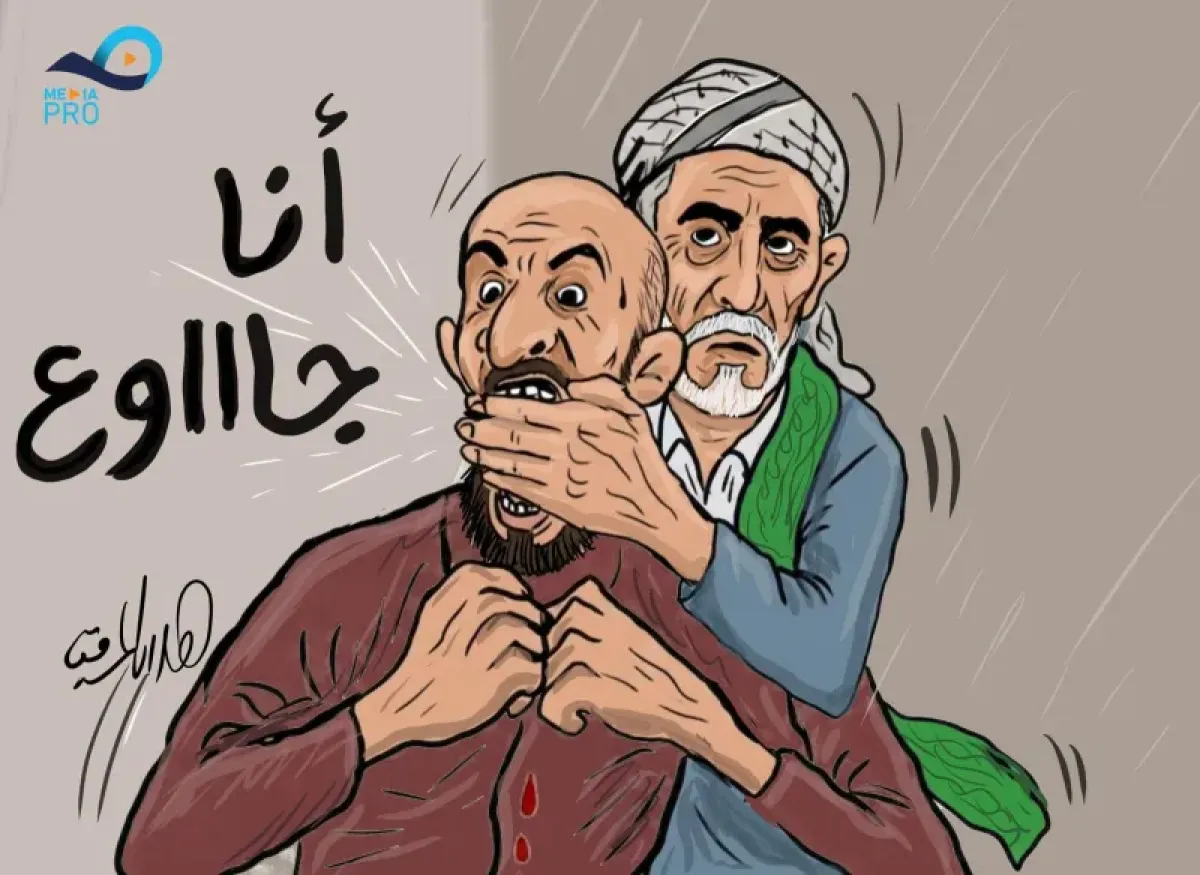
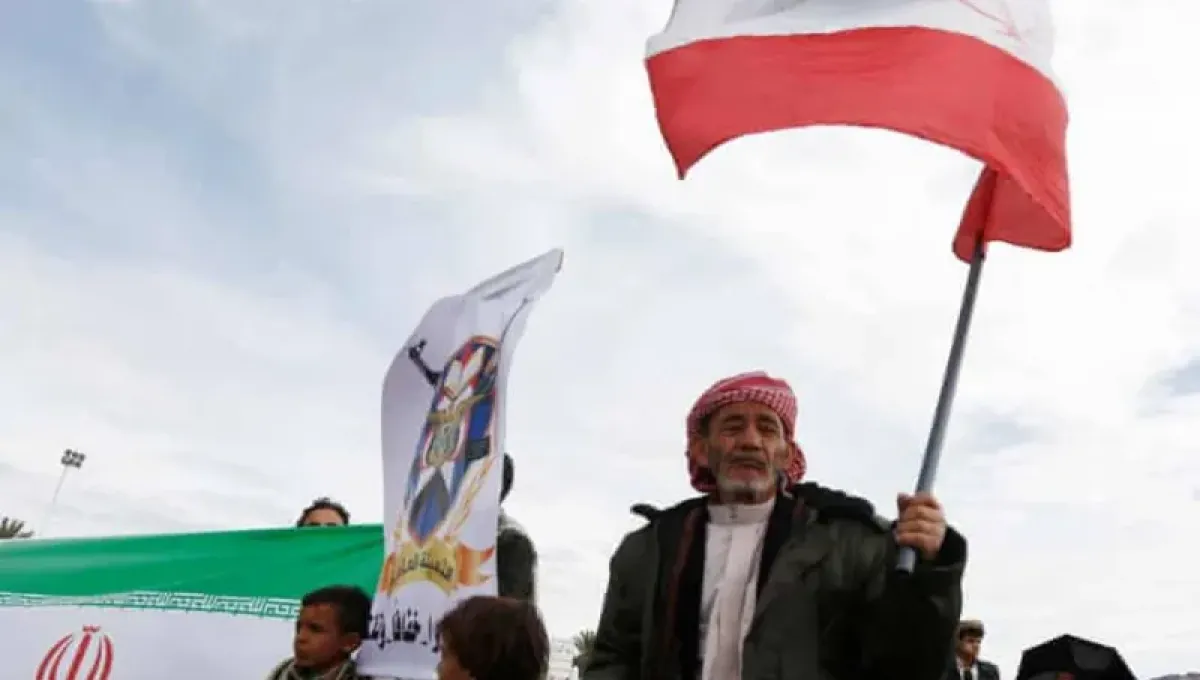
The Houthi movement in Yemen is described as a vital component of Iran's regional influence network due to its strategic proximity to the Red Sea and the Bab al-Mandab Strait. The Houthis provide Iran with a foothold near a critical international maritime route, enhancing its ability to influence global trade and supply chains, particularly in light of recent Red Sea incidents. This Yemeni front offers Iran a new strategic dimension, enabling it to impact international navigation from multiple geographical locations, including the Arabian Gulf and the Red Sea.
Despite the gains achieved through the "interconnected fronts" strategy, Iran faces mounting challenges. Managing this extensive network demands substantial financial, military, and political resources, exacerbated by economic sanctions and increasing international pressure. Furthermore, certain pillars of Iranian influence are experiencing internal shifts that could affect their future efficacy. In Iraq, demands for consolidating arms under state control are growing. Hezbollah in Lebanon faces escalating political, economic, and security pressures, while the Houthis in Yemen are subjected to intensifying international scrutiny over threats to international navigation. Ultimately, understanding Iran's current actions requires recognizing the interconnectedness of these various fronts, as Tehran views Lebanon, Iraq, Yemen, and the Arabian Gulf not as separate issues but as integral parts of a single influence system where developments in one arena inevitably affect the others.