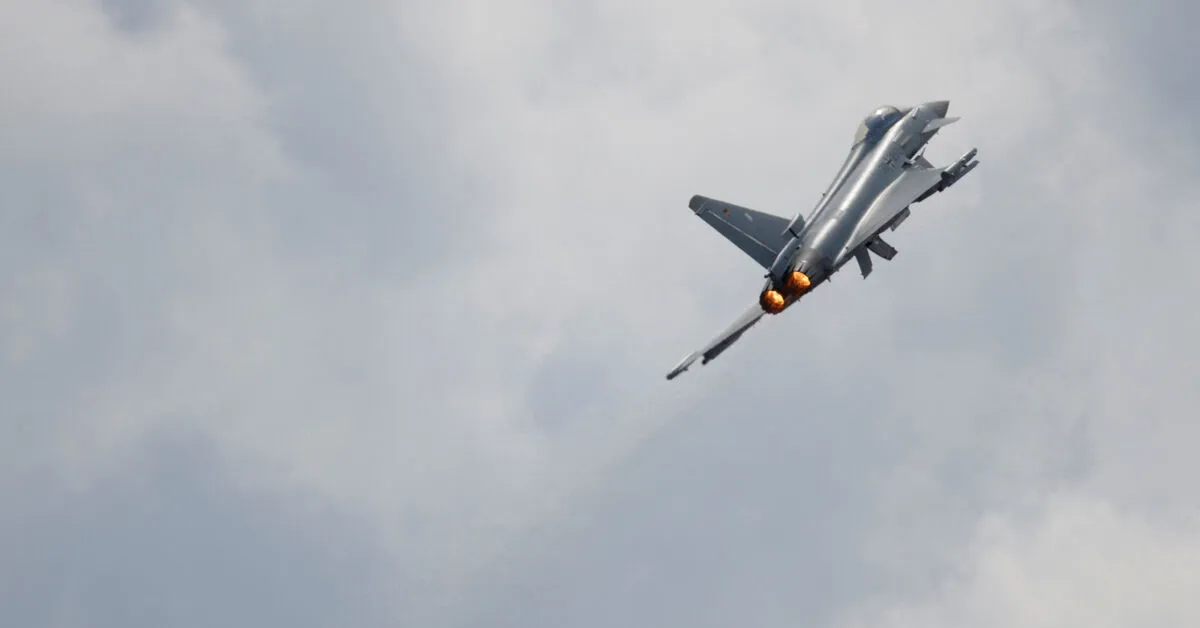
Germany's ILA air show commenced under the significant shadows of the ongoing Iran war and the recent collapse of a flagship Franco-German fighter jet project, dampening the atmosphere of what is typically a premier European aerospace event.
The ILA, established in 1909 and held in Berlin, serves as a crucial platform for Europe's defence industry, showcasing new technologies to governmental and military clientele. It also underscores European manufacturers' efforts to compete with American rivals and secure governmental support amid increased regional defence spending.
However, the lead-up to the exhibition was overshadowed by the cancellation of the Future Combat Air System (FCAS), a joint Franco-German initiative that, despite being Europe's most ambitious defence endeavor, ultimately succumbed to industrial rivalries. This development highlights the challenges Europe faces in scaling its military capabilities, particularly as Western officials warn of escalating threats from Russia and the United States urges quicker rearmament across the continent.
The Iran war has further intensified a sense of unease, revealing strains in transatlantic relations and prompting questions about NATO's future, while also impacting airlines through flight cancellations and rising jet fuel costs. Airbus, a key participant in the FCAS project, is reportedly exploring partnerships with Sweden's Saab. Meanwhile, decisions regarding the future of manned sixth-generation fighter jets are imminent, with engine manufacturers expressing openness to collaboration.
Beyond defence, the air show is also a venue for Emirates President Tim Clark to advocate for landing rights in Berlin, with one of the airline's A380 jets on display. The opening day experienced disruptions due to protesters blocking access roads to the venue. The ILA, running until June 14, features over 750 exhibitors from 37 countries. Coinciding with the show's opening, the German cabinet approved a new 15-year aviation strategy focused on cost reduction and enhanced research to address rising expenses and international competition.